Moderate to Difficult
Roopkund trek
A legendary high-altitude trek in Uttarakhand, famous for the mysterious Roopkund Lake, often known as the Skeleton Lake.

Days
8 Days
Adventure Type
Trekking
Base Camp
Lohajung
Season
Summer | Autumn
Month
April | May | June | September
Country
India
Altitude
15696 Ft.
Grade
Moderate to Difficult
Rail Head
DEHRADUN
Stay
Camping (Twin sharing) & Hotel/Guesthouse
Food
Veg meals while on trek & at Hotel/Guesthouse
Location
Uttarakhand
Distance
53 Km.
Trail Type
Circle trail | Camping in various locations, starting and ending at the same point.
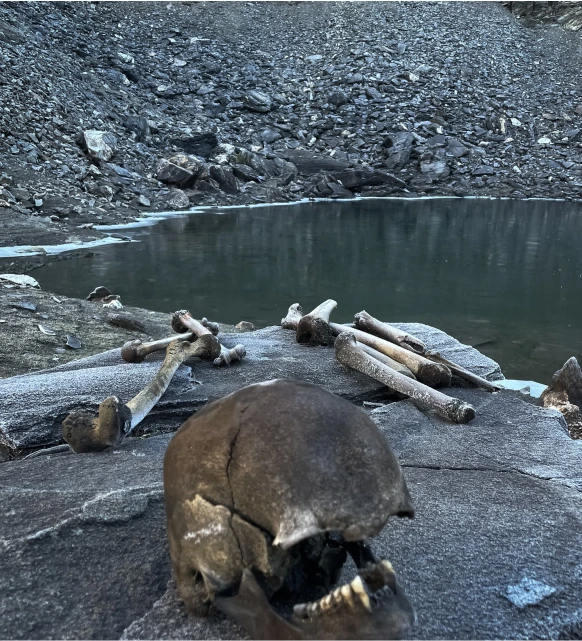
Roopkund Trek or popularly called The Mystery Lake by the locals, is a high altitude glacial lake trek situated in the Chamoli region of Uttarakhand. Roopkund lies in the lap of Trishul, a massif in the Chamoli region and is famous for the hundreds of human skeletons found at the edge of the lake. Still uninhabited, Roopkund is located at an altitude of 5,029 metres (16,499 feet)in the Himalayas,surrounded by rock-strewn glaciers and snow-clad mountains and remains popular among adventurists as a trekking destination.
This two-meter shallow Roopkund lake is significant from both ethical and scientific point of consideration. Researchers believe the skeletons at the bottom of the lake date back to the 9th century when an Indian tribe got caught in a massive hail storm and could never escape and hence got trapped forever.
On the other hand, it is also believed that a tribal king along with his wife and hundreds of other people was heading towards Nanda Devi shrine when they all got trapped around the lake due to a hailstorm hence causing them to become skeletons years later.

Tax Benefit
+5% GST (goods and services tax)
Services
DEHRADUN TO DEHRADUN | Included Transport

Snow Covered Forest
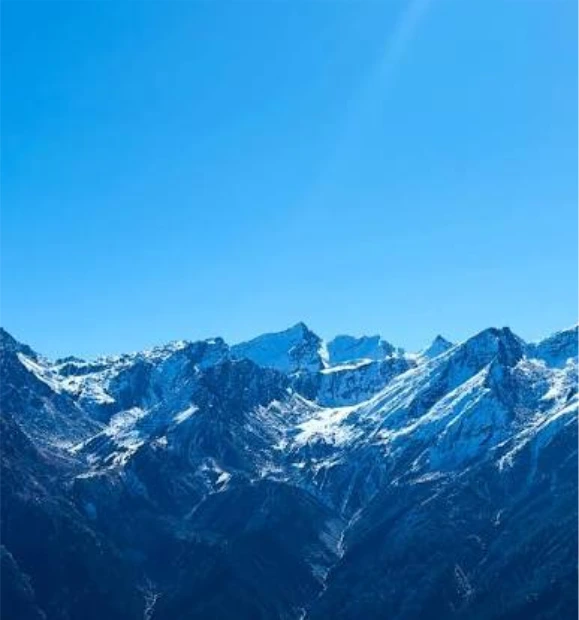
Views of Mt. Trishul, Chaukhamba Range, Kedarnath, Neelkanth
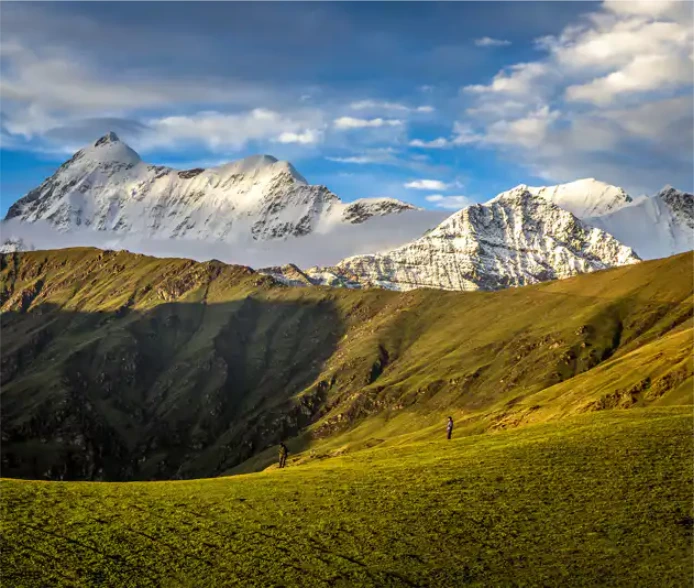
Ali Bugyal
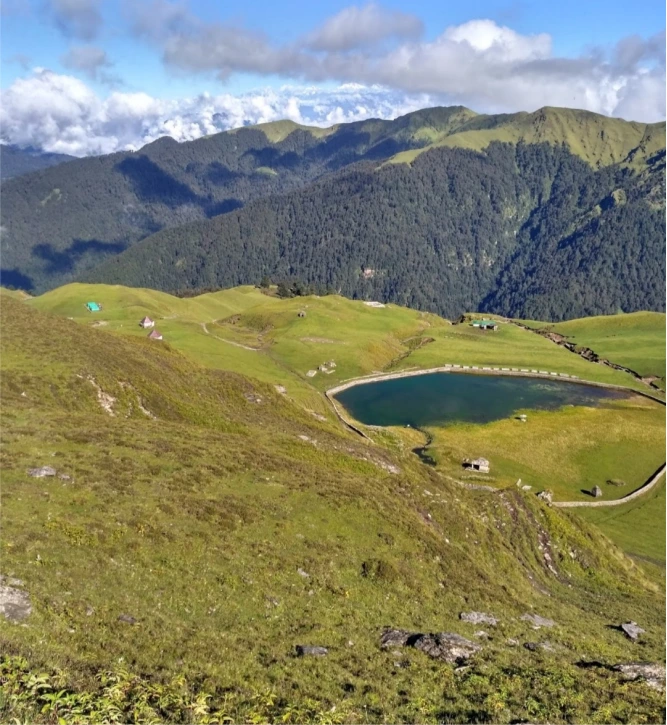
Bedni Bugyal
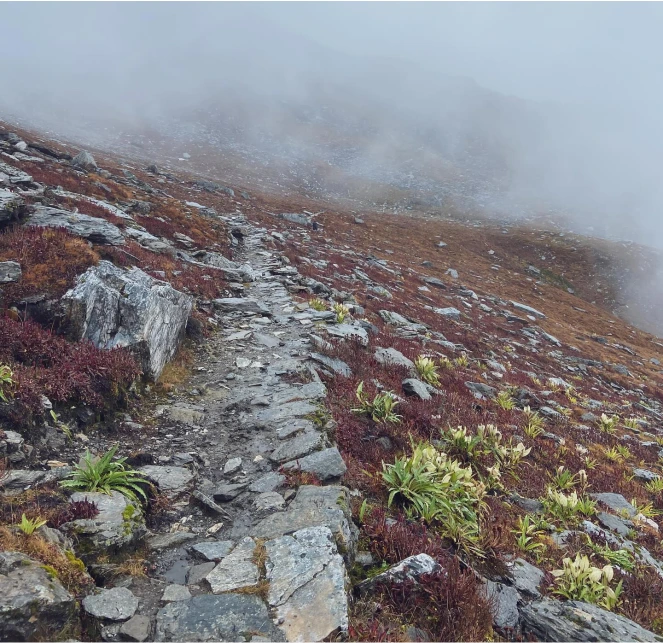
Flora And Fauna
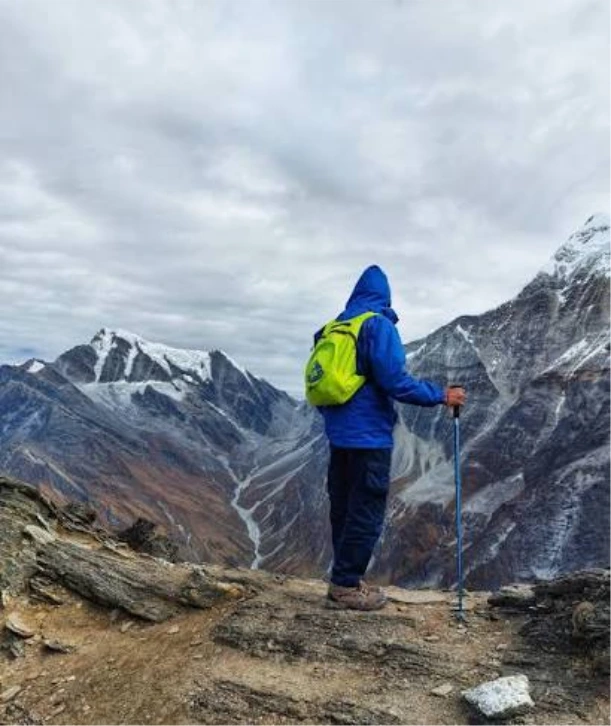
Junargali Pass
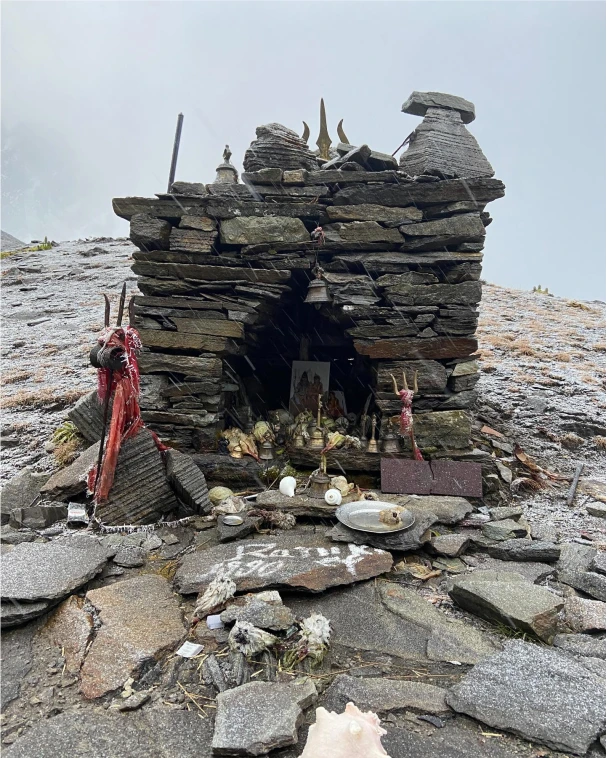
Kelwa Vinayak
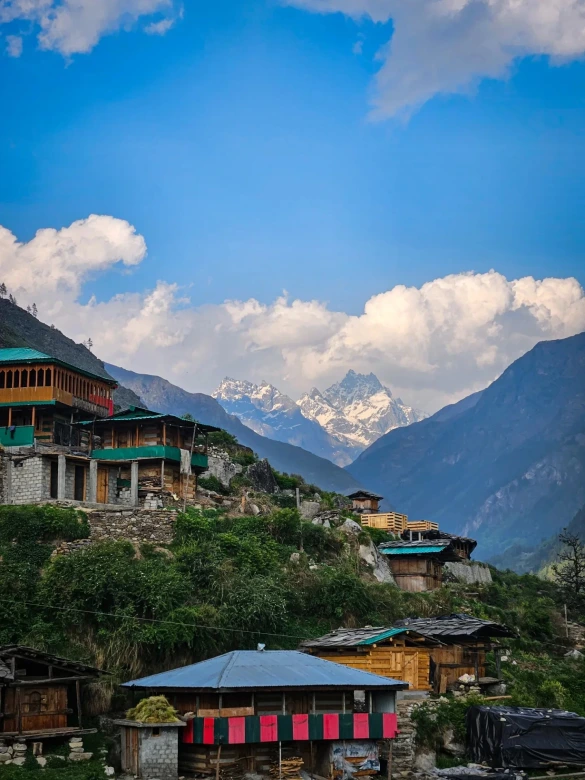
Cultural Experience

01
DAY
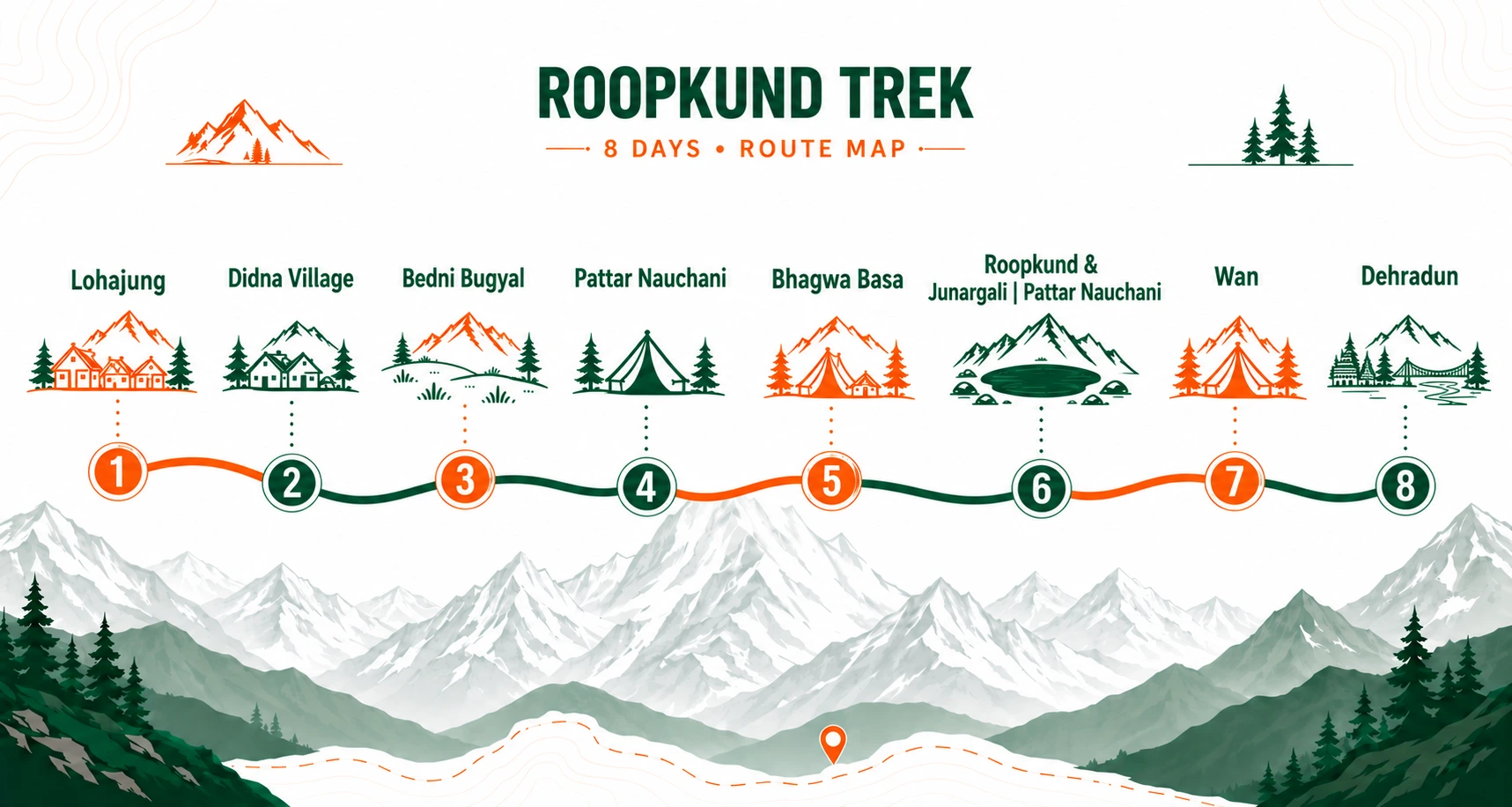
Dehradun to Lohajung 300 KMS
- We’ll start the journey in the morning at 5am from Dehradun and head towards Lohajung. A scenic route with lots of greenery everywhere with traces of clouds if the weather gets pleasant. We will see the some of the famous confluences amidst the way. Through the wondersome spiral roads of the valley by evening we’ll reach our destination and have dinner and there we’ll briefly share our introductions and get to know each other better. Stay in Hotel/ Guest House for the night.
02
DAY
Lohajung to Didna Village (8-9 KM)
- The second day trek from Lohajung To Didna Village is approx. 8.5 KM from the Lohajung. Didna is famousfor Garhwal’s local culture and it’s a beautiful village located under the Himalaya at an altitude of approx. 8,200 Ft. After completing the second day of the trek the trekkers enjoy the night in Didna village for dinner.
- Stay in camps for the night.
- Ruan Bagad Bridge with water stream for refilling.
- Hours to Didna.
03
DAY
Didna Village to Bedni Bugyal via Ali Bugyal (around 12 KMS)
- Didna Village – Ali Bugyal: 10 KMS
- Ali Bugyal – Bedni Bugyal: 2 KMS
- After breakfast early in the morning, we’ll continue our journey ahead and today we’ll head towards Bedni Bugyal, a meadow with picturesque scenery. The trail is covered in Oak, Rhododendron and alpine meadows to watch for.
- Easiest day of our journey. Mainly a plain trail with a few bumps in between. The meadows will let you see the mountains in all their glory with cattle herding here and there.
- Stay in camps for the night.
04
DAY
Bedni Bugyal to Pattar Nauchani (5 KMS)
- Bedni Bugyal – Ghora Lotani: 4 KMS
- Ghora Lotani – Pattar Nauchani: 1 KMS
- The elevation of this place increases considerably and hence it could be very windy. The elevation will be accompanied by cold breeze. You’re going to need to cover yourself with maximum layers of windproof winter clothing to prevent the cold breeze affect the body temperature. You may be able to enjoy a starry night at the camp stay at Pattar Nauchani.
- Stay in camps for the night.
05
DAY
Pattar Nauchani to Bhagwa Basa via Kalu Vinayak (5 KMS)
- Starting this day after sunrise, we’ll move towards Bhagwa Basa base camp for an overnight stay. We’ll head towards Kalu Vinayak Temple there. The trail is not difficult to cover hence we can relax midway to enjoy the scenic beauty of the trek. Again, there is a considerable gain in the altitude of the two places, so you will need to move slowly to get acclimatized for the environment there. If the weather conditions are good, you may see a glimpse of Mt. Trishul from Kalu Vinayak Temple.
- Stay in camps for the night.
06
DAY
Bhagwa Basa to Roopkund & Junargali and back to Pattar Nauchani (15 KMS)
- Start at 4 in the morning as this is a long day for us with a lot of height to gain. This is a trail covered in snow. Depending on any recent snowfall, it might be soft or walked on. You may need to keep your sunglasses on for protection from the reflection of sunlight from snow.
- Hours of trekking to Roopkund.We’ll head towards Junar Gali which is further 500mtrs from Roopkund lake and is The Highest point of Roopkund Trek. Depending on weather conditions, we’ll stay there for some time or we shall begin our descent from there back to Pattar Nauchani for our night stay in camps.
- Visible Nanda Ghunti, Trishul among other peaks from this point.
- Stay in camps for the night.
07
DAY
Pattar Nauchani to Wan (18 KMS)
- The oak forest over Wan is just the icing on the cake that you want after the amazing trek to Roopkund. You willretrace your path to Bedni Bugyal.
- Trishul on the way to Wan: A rare shot of the Trishul on a clear day on the way down from Bedni Bugyal to Wan.
- Half an hour into your decent, you get to a clearing. The green trekker’s huts signals Ghairoli Patal. On a clear day, you get astounding views of Mt Trishul commandeering over the area. It is a steep ridge descent to the Neel Ganga. Quicker trekkers reach the river in one and a half hours. The slower ones take two. Take your time because you will rarely see a more wondrous stretch of forest cover.
- There are many routes to the bottom of the Wan village, and all roads eventually lead down to the road junction (Kasar Bagad) near the hydel project. It takes about an hour and half to get down to Kasar bagad. It is a steep descent.
- Stay in hotel at Lohajung for the night.
- Hour Trek with One Hour Drive to Lohajung.
08
DAY
Wan to Dehradun: 320 KMS, 10 - 11 Hr Drive.
- This is the last day of the trip and we take the route from Wan to Dehradun. It will be around 10 – 11 hours journey.
- Reach Dehradun.End of Trip.

One of the most common questions before any Himalayan trek is simple: what should you pack? A smart packing list keeps you comfortable on the trail without making your backpack unnecessarily heavy.
The easiest way to pack is to go step by step, either from head to toe or toe to head. That simple pattern helps you stay organized and lowers the chance of forgetting essentials.
01 Backpacks
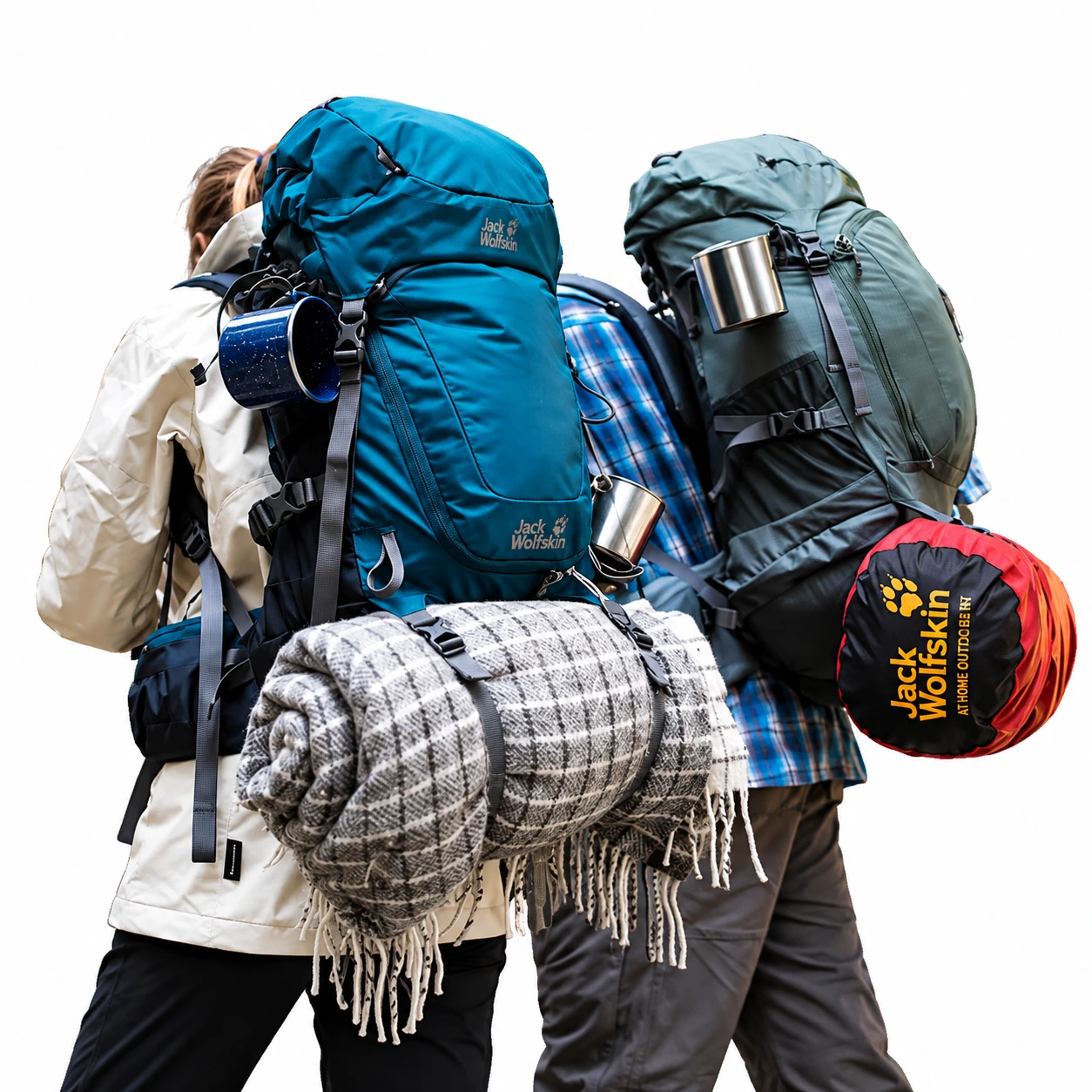
Choose a backpack that feels comfortable on your shoulders and hips. For a week-long trek, a 60 to 70 liter backpack is usually enough for your clothing, gear, and personal essentials.
- Main backpack: Good hip support, shoulder support, and easy-access pockets.
- Daypack: Useful for short hikes, sightseeing, and carrying daily essentials when the main bag is not needed.
02 Footwear
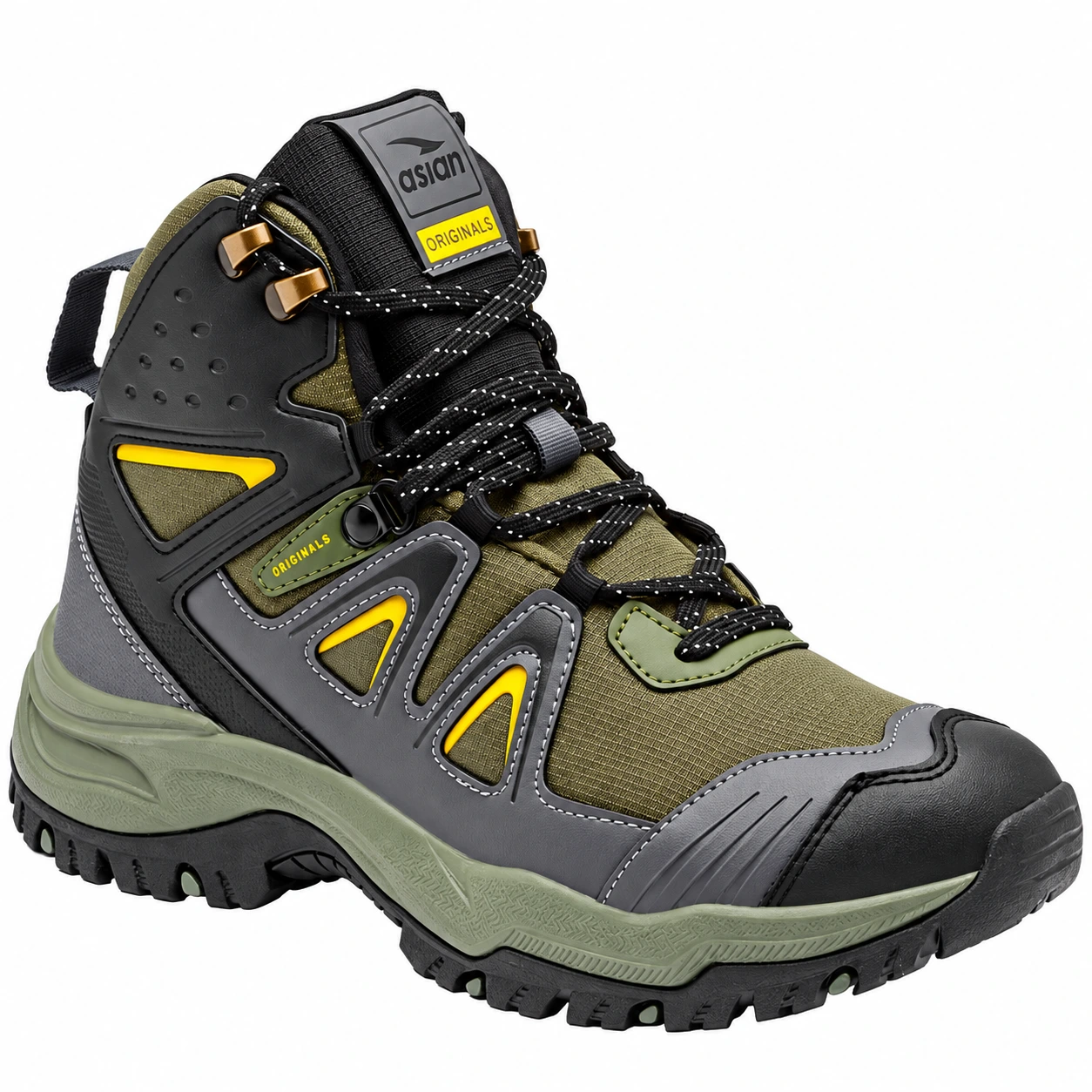
- Trekking shoes: Prefer waterproof shoes with high-ankle support.
- Walking or hiking sandals: Great for camp use, resting your feet, or stream crossings.
- Sneakers: Optional, but useful for travel days or relaxed time around camp.
- Socks: Carry 3 to 5 pairs that are warm, comfortable, and quick-drying.
03 Clothing Layers
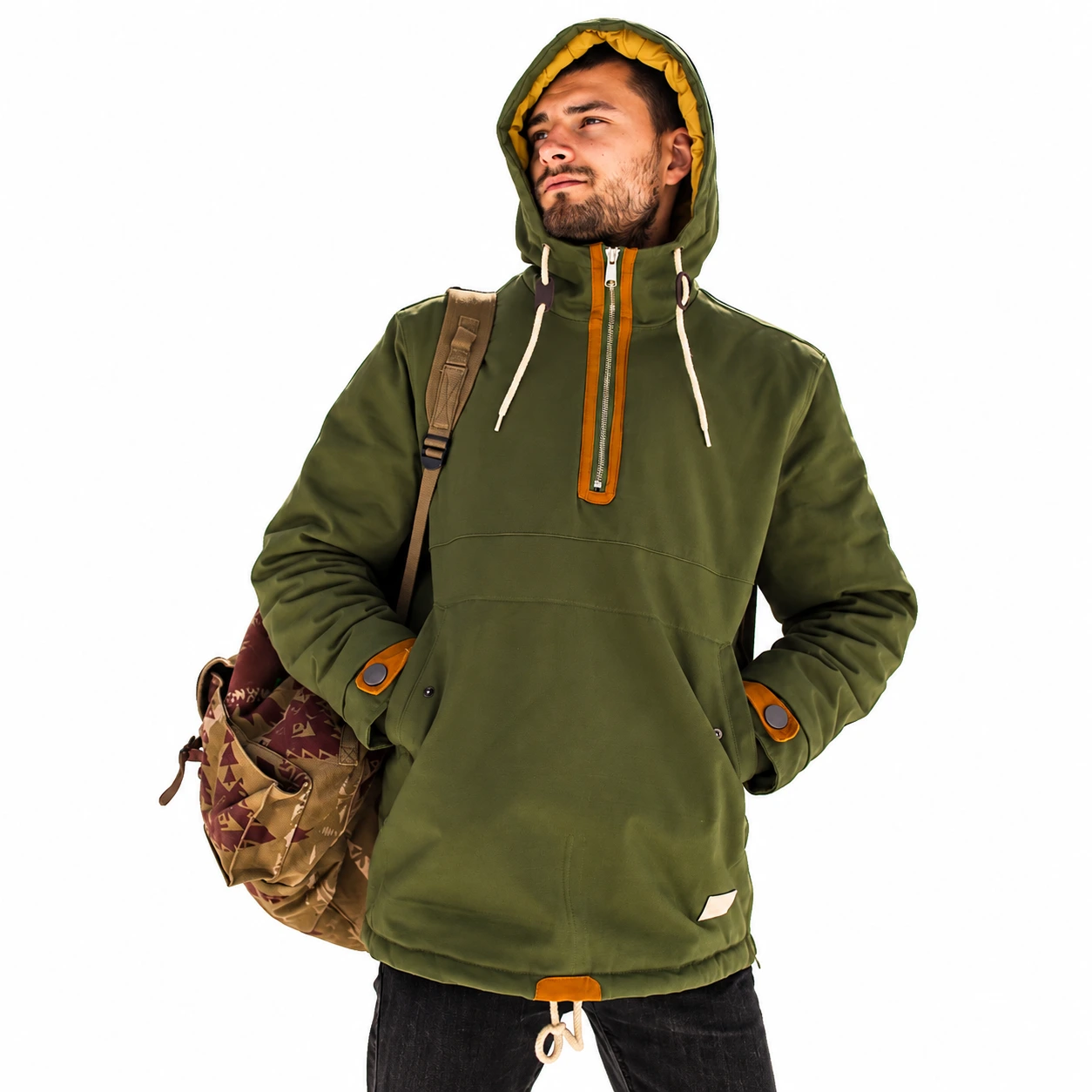
- Jacket: A good quality hiking or trekking jacket for layering.
- Pants: Lightweight, quick-drying trekking pants, plus a warm lower layer for colder nights.
- T-shirts and base layers: Carry 3 to 4 warm, comfortable tees along with a long-sleeve layer.
- Thermals and leggings: Two pairs of thermals and warm leggings are ideal for cold mornings and evenings.
- Undergarments: Pack according to your personal requirement.
- Buff or balaclava: Essential for protecting your neck and throat from wind and cold.
- Beanie cap and hiking hat: A beanie helps in cold weather, while a sun hat protects you during the day.
- Gloves: One warm pair is usually enough.
04 Rain Protection
- Raincoat and rain pants: Helpful in changing mountain weather.
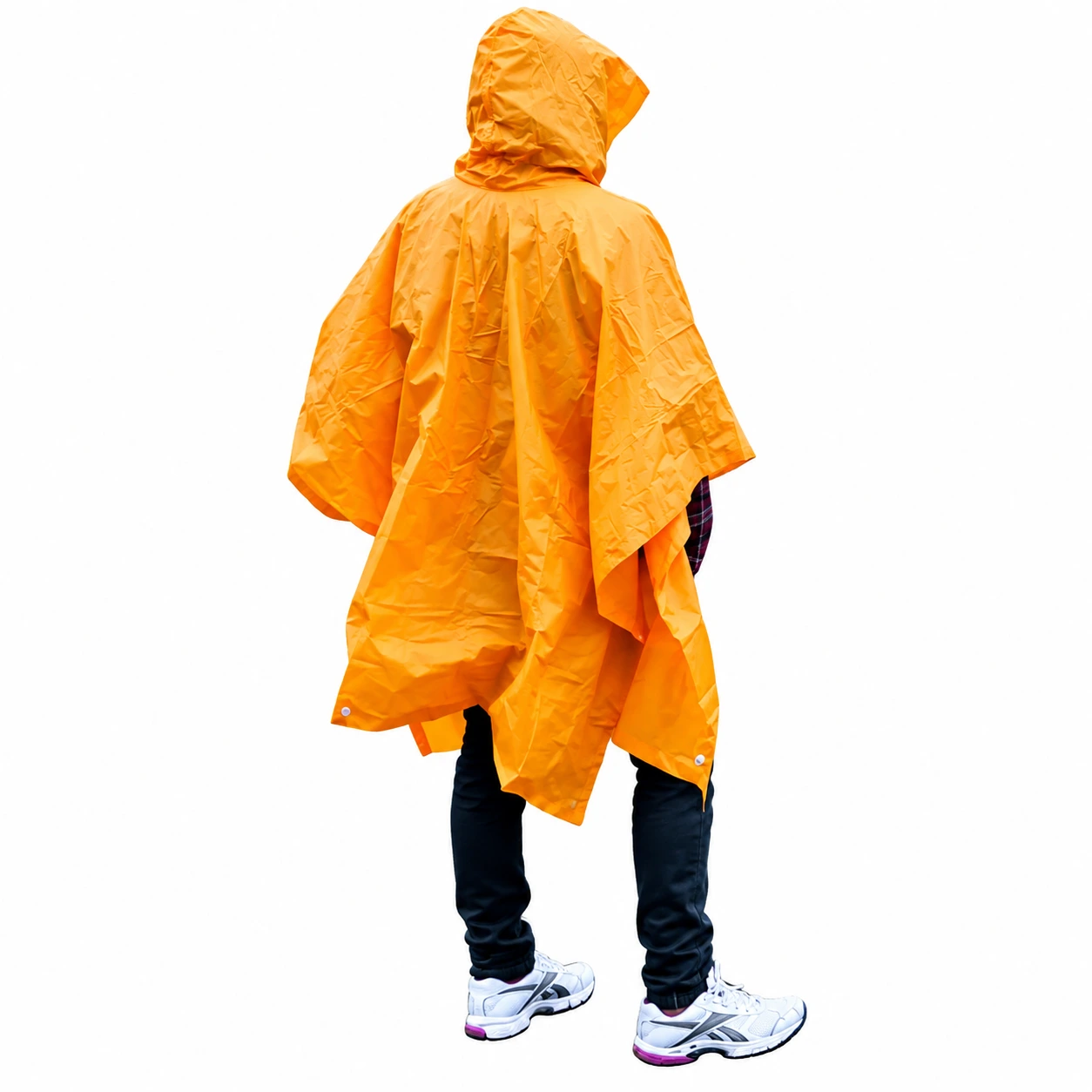
- Rain poncho: A practical option during longer spells of rain.
- Rain covers: Carry waterproof covers for both your backpack and daypack, especially for gadgets.
05 Gadgets and Useful Extras
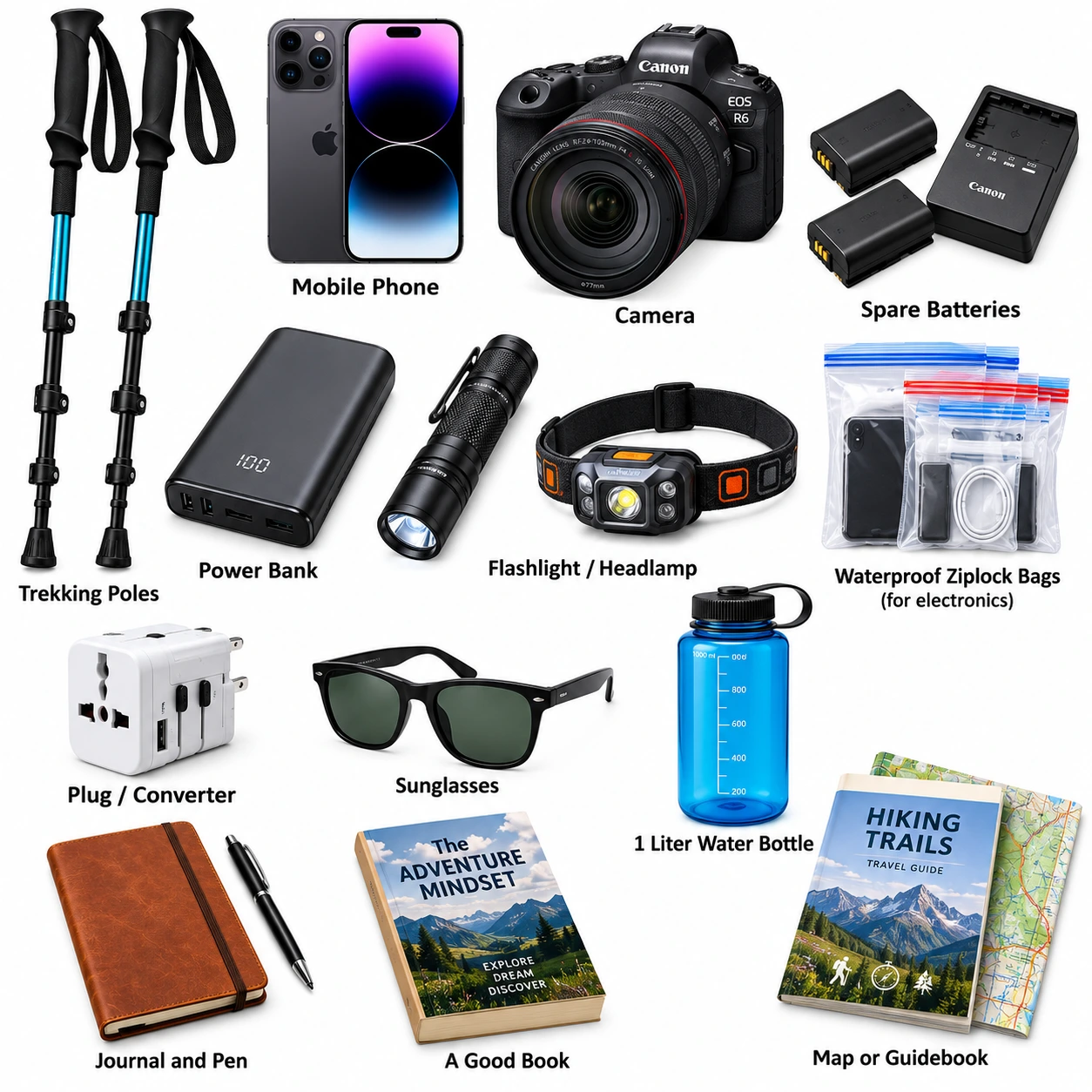
- Trekking poles, mobile phone, camera, and spare batteries.
- Power bank, lightweight flashlight or headlamp, and waterproof ziplock bags for electronics.
- Plug or converter, sunglasses, and a 1 liter water bottle.
- A journal and pen, a good book, and a map or guidebook if you enjoy documenting the journey
06 Hygiene and Toiletries
- Sunscreen with UV protection and lip balm or salve.
- Quick-drying towels, toilet paper, tissues, or wet wipes.
- Toothbrush, toothpaste, mouth freshener, shampoo, deodorant, and talcum powder.
- Biodegradable soap, nail clipper, and any personal daily-use items.
- Sanitary pads or tampons if needed.
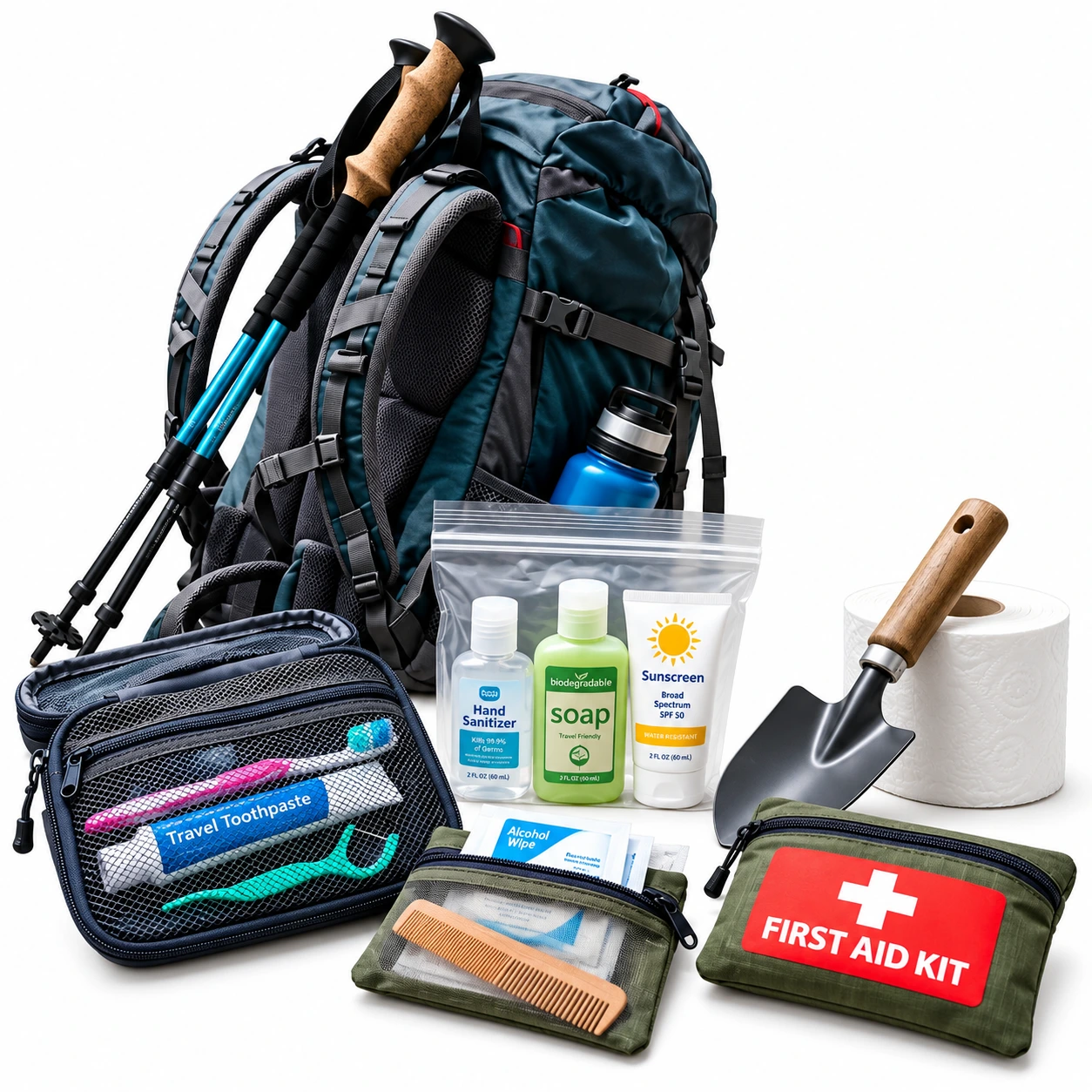
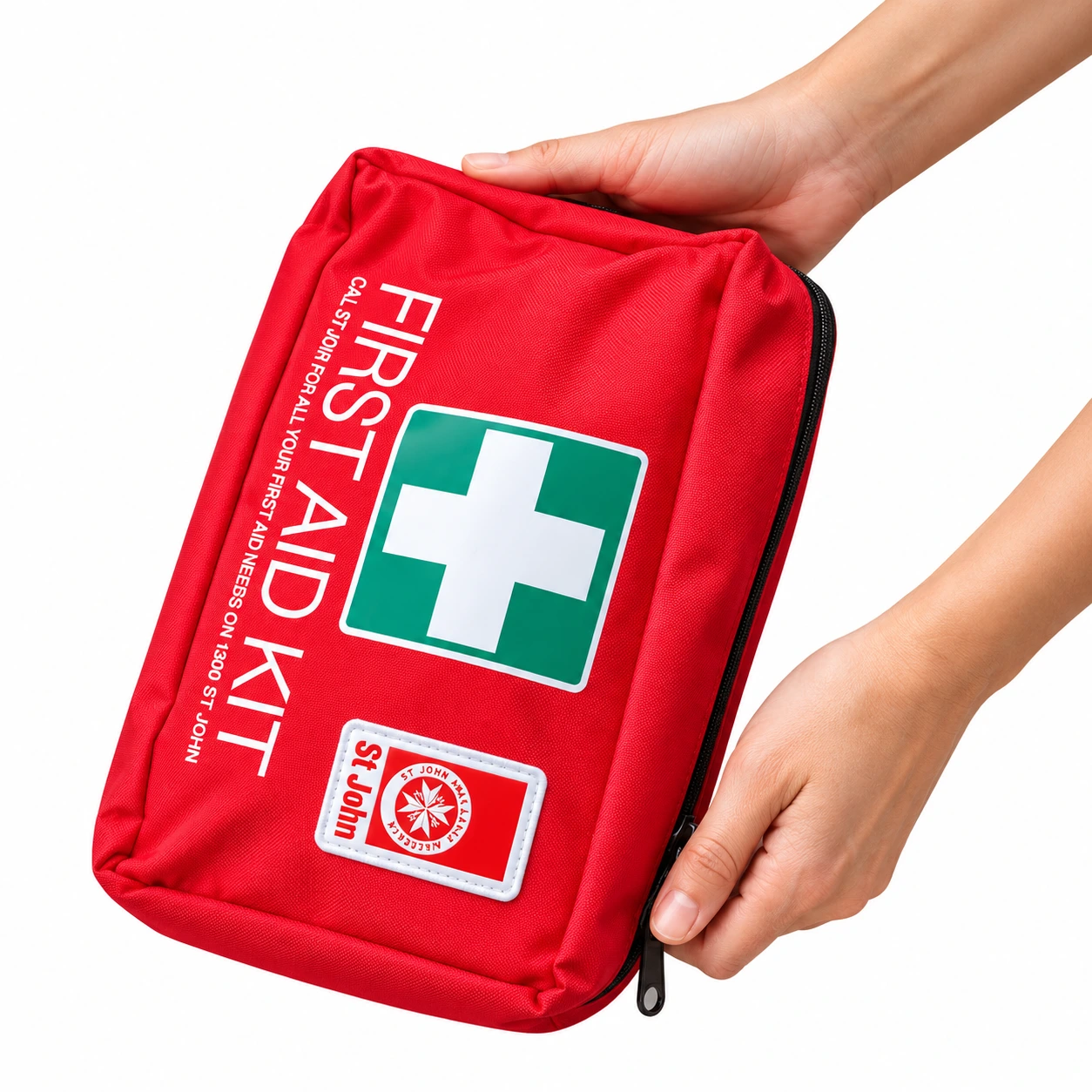
07 First Aid and Energy
Carry a personal first-aid kit with the basics you may commonly need on an adventure trip, and always consult your doctor before taking any medicine.
- Antiseptic wipes or water syringe, butterfly bandages, sterile gauze pads, and elastic bandages.
- Latex gloves, medicines for upset stomach, cold, flu, fever, headache, and basic pain relief.
- ORS sachets, pain relief spray, bug repellent, and any prescription medicines you already use.
- Medicine for high altitude concerns such as Diamox or a similar alternative, only after medical advice.
- Carry some energy bars and non-alcoholic energy drinks for quick support on the trail.
Important note: Check what gear can be rented or purchased through BookMyHikes and what you should bring from home. Keeping your backpack light makes the trek more comfortable and enjoyable.

Inclusions
- Transport:(Dehradun to Lohajung & return from Wan to Dehradun)
- Stay:Lohajung and Wan – 2 Nights
- Camp Stays:(Sleeping Bags, Mats to be provided)
- Meals:( Dinner Day 1 to Breakfast day 8)
- Camping logistics:Guide, Porters, Kitchen Tent
- Trekking Equipment:Gaiters and other equipment if required will be provided to guests
Exclusions
- Any expenses for optional activities or tickets, unless quoted in Inclusions.
- Insurance, Items of personal nature like porterage, tips, laundry etc
- Any additional expenses arising out of unforeseen circumstances like cancellation / roadblocks/landslides/ strike or any other natural causes out of human control or any emergency evacuation expenses.
- Anything not mentioned in Inclusions
- Any Kind of Expense for Loss / Misplaced / Theft of personal belongings.

Life is unpredictable and we understand sometimes you have to cancel or change your trip dates and it is our endeavour to make it as easy possible for you. However, please understand we plan everything including guide fees, permits, accommodation and ration in advance. Therefore, any cancellation means inconvenience and certain losses to the people involved in various stages of programme. Keeping that in mind, our cancellation charges are as below :
Cancellation Timeline
-
30 days before the event Best cancellation window with the lowest deduction.Deduction 15% Lowest cutReturn 85% Monetary Refund Into original payment mode
-
15-30 days before trek start Moderate cancellation window before core ground arrangements intensify.Deduction 50% Mid-stage cutReturn 50% Cash Voucher Valid for 12 months
-
Less than 15 days before trek start Late cancellation window after trek operations are mostly aligned.Deduction 100% Higher cutReturn No refund
Voucher Rules
After applicable cancellation deductions, the remaining amount is refunded only in the form of a trek voucher. The voucher can be used for any trek, tour, or yatra booked with BookMyHikes.
The trek voucher is valid for 12 months from the date of issue.
The voucher must be used for the same number of persons for whom it was issued.
The voucher cannot be redeemed as a cash refund and cannot be extended beyond its expiry date.
To redeem a voucher, email BookMyHikes 15 to 20 days before the new trip date.

What is the difficulty level of the Roopkund Trek?
Roopkund is generally considered a moderate to difficult high-altitude trek. Good physical fitness, stamina, and appropriate acclimatization are important.
What is the maximum altitude of the Roopkund Trek?
Roopkund Lake is situated at approximately 15,700 ft (4,800 m) above sea level.
What is the best time for the Roopkund Trek?
Traditionally, the most favourable trekking periods are May–June and September–October, depending on snow, weather, trail conditions, and current forest/administrative permissions.
Why is Roopkund known as the Skeleton Lake?
Roopkund became internationally famous because human skeletal remains were discovered around the high-altitude lake. Scientific research indicates that the remains belong to people from more than one distinct group and time period.
How many days are required for the Roopkund Trek?
A typical Roopkund trekking itinerary generally requires around 7–9 days, depending on the route, acclimatization schedule, and starting point.
Is the Roopkund Trek currently open for trekkers?
Access rules can change, particularly because the route passes through ecologically sensitive areas. Trekkers should verify the latest official permissions, route restrictions, and forest regulations before planning or booking the trek.


Tarsar Marsar Trek
Kashmir
7 Days / 6 Nights
Moderate
Nafran Valley Trek
Kashmir
7 Days / 6 Nights
Moderate to Difficult
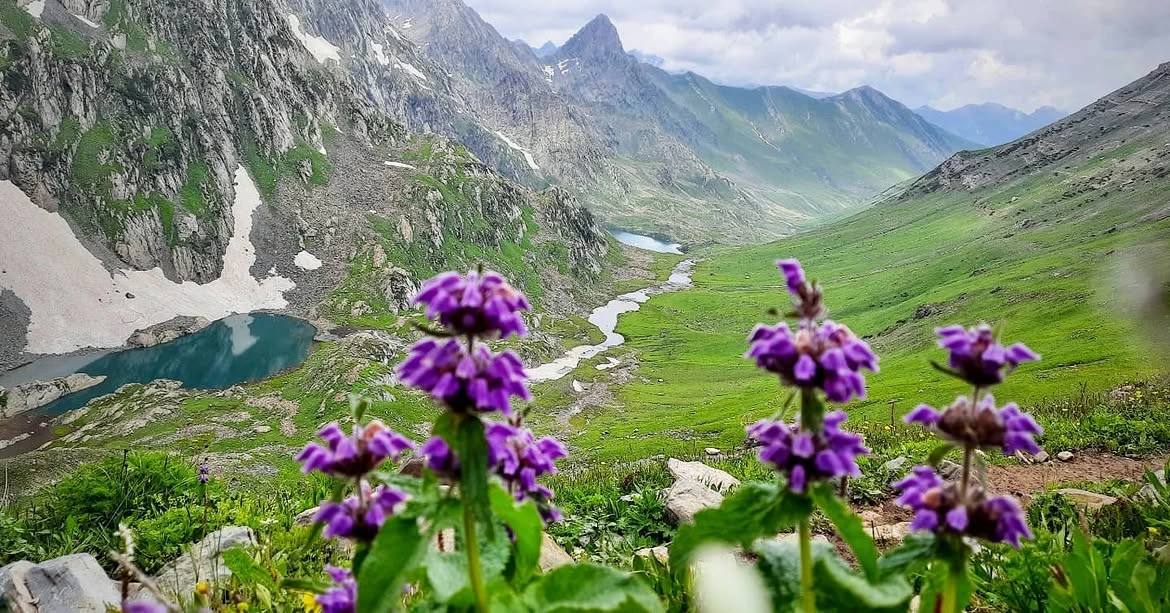
Kashmir Great Lakes Trek
Kashmir
7 Days / 6 Nights
Moderate to Difficult
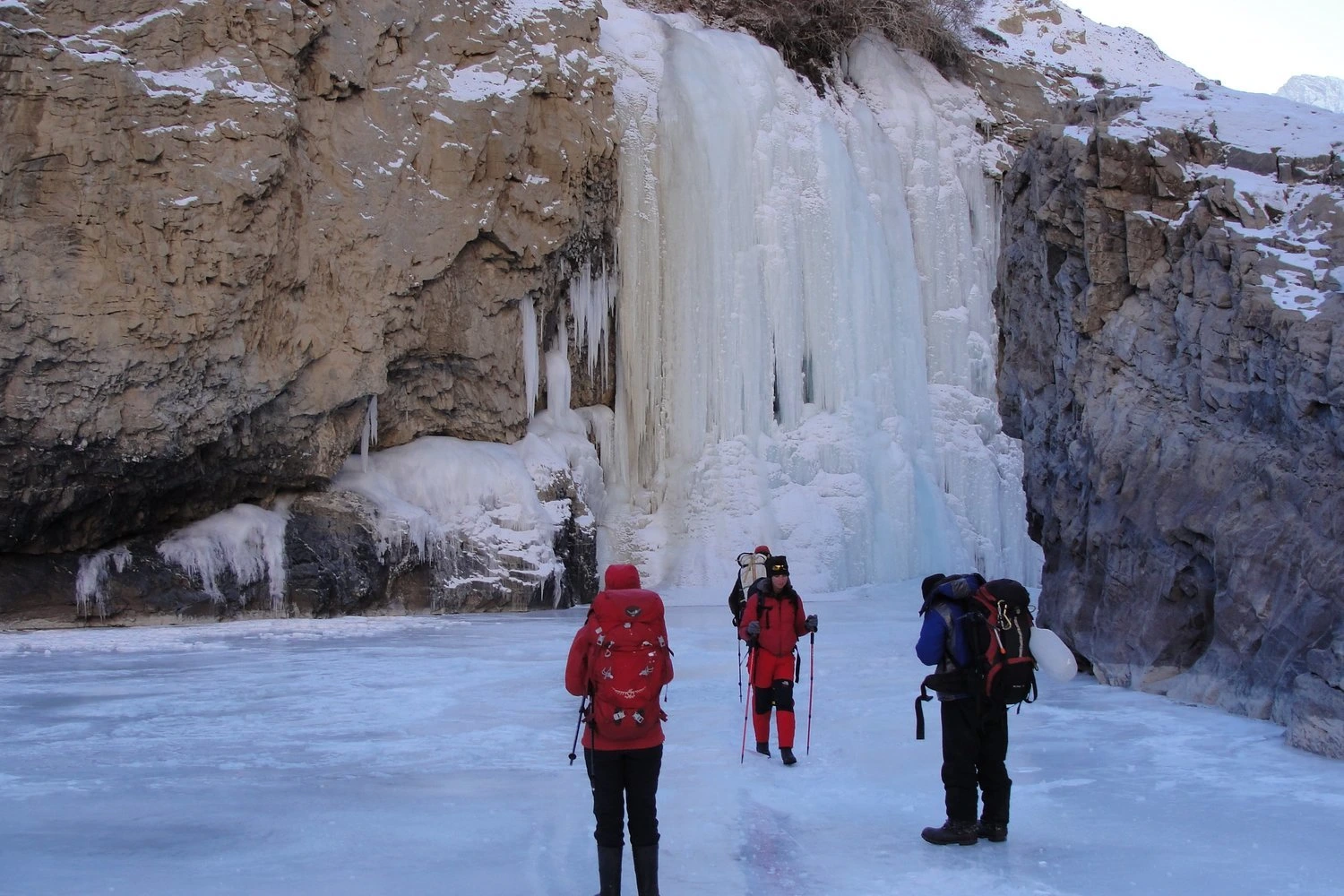
Chadar trek
Ladakh
9 Days / 8 Nights
Difficult
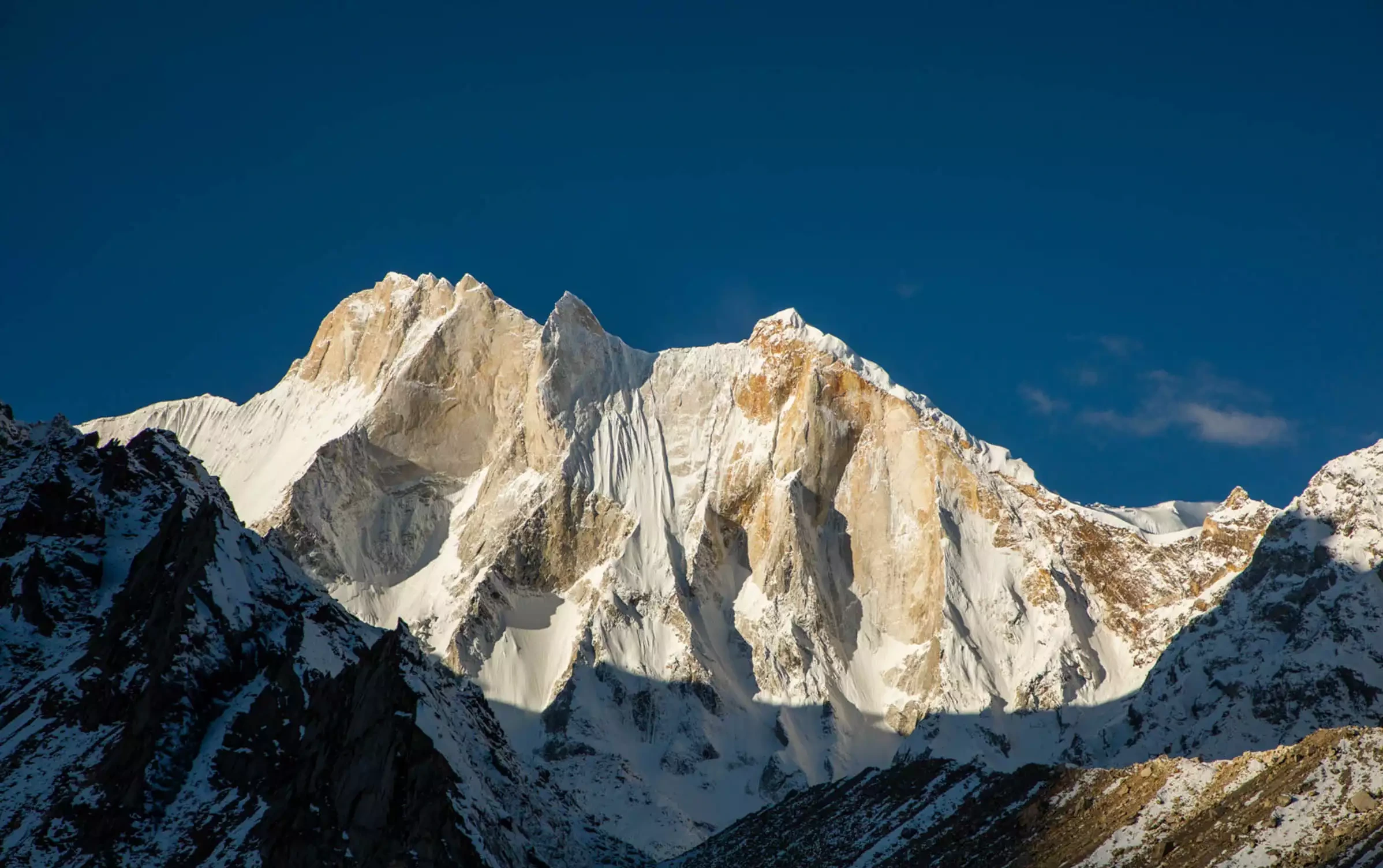
Gaumukh Tapovan Trek
Uttarakhand
8 Days / 7 Nights
Moderate to Difficult
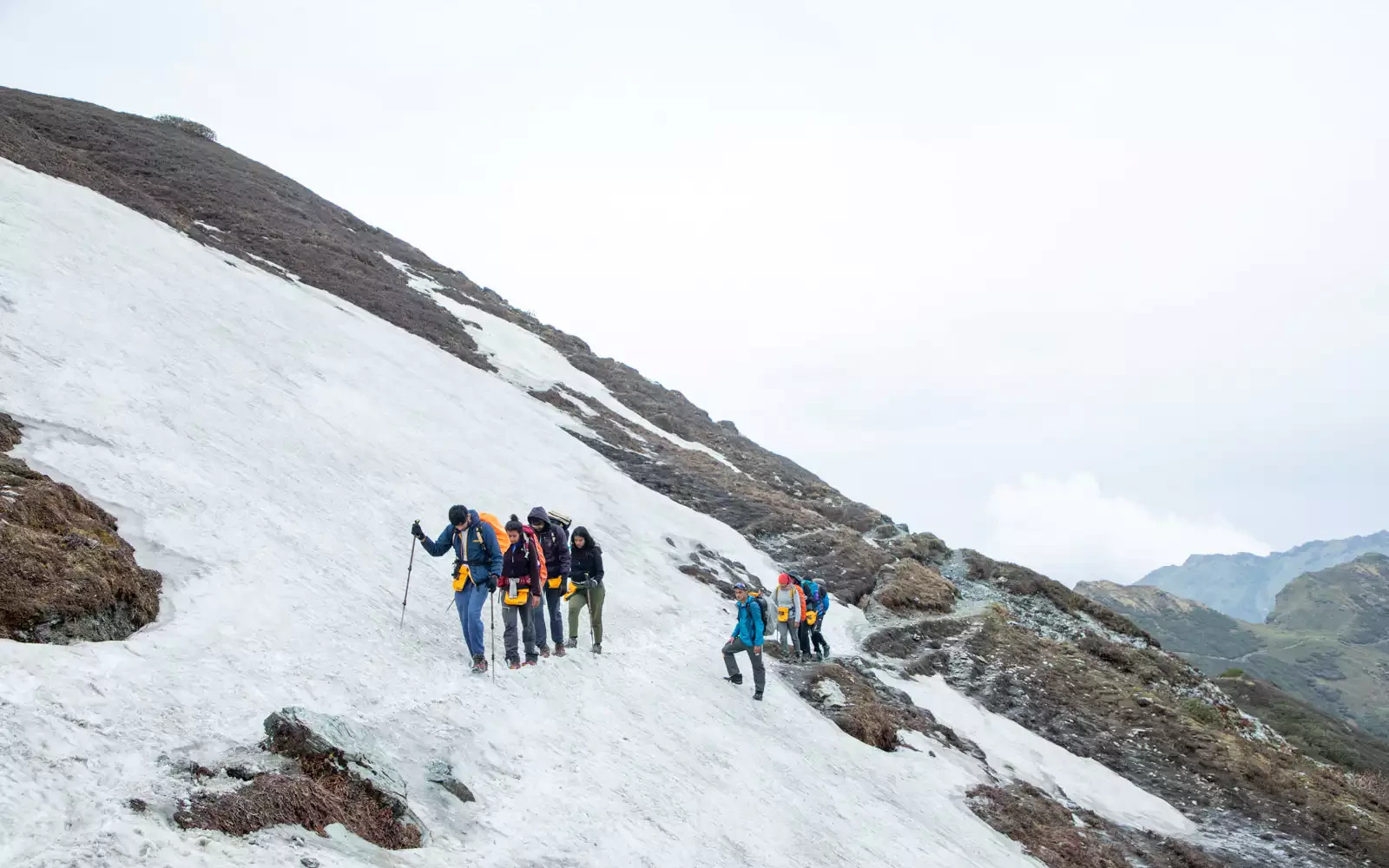
Phulara Ridge trek
Uttarakhand
6 Days / 5 Nights
Easy to Moderate

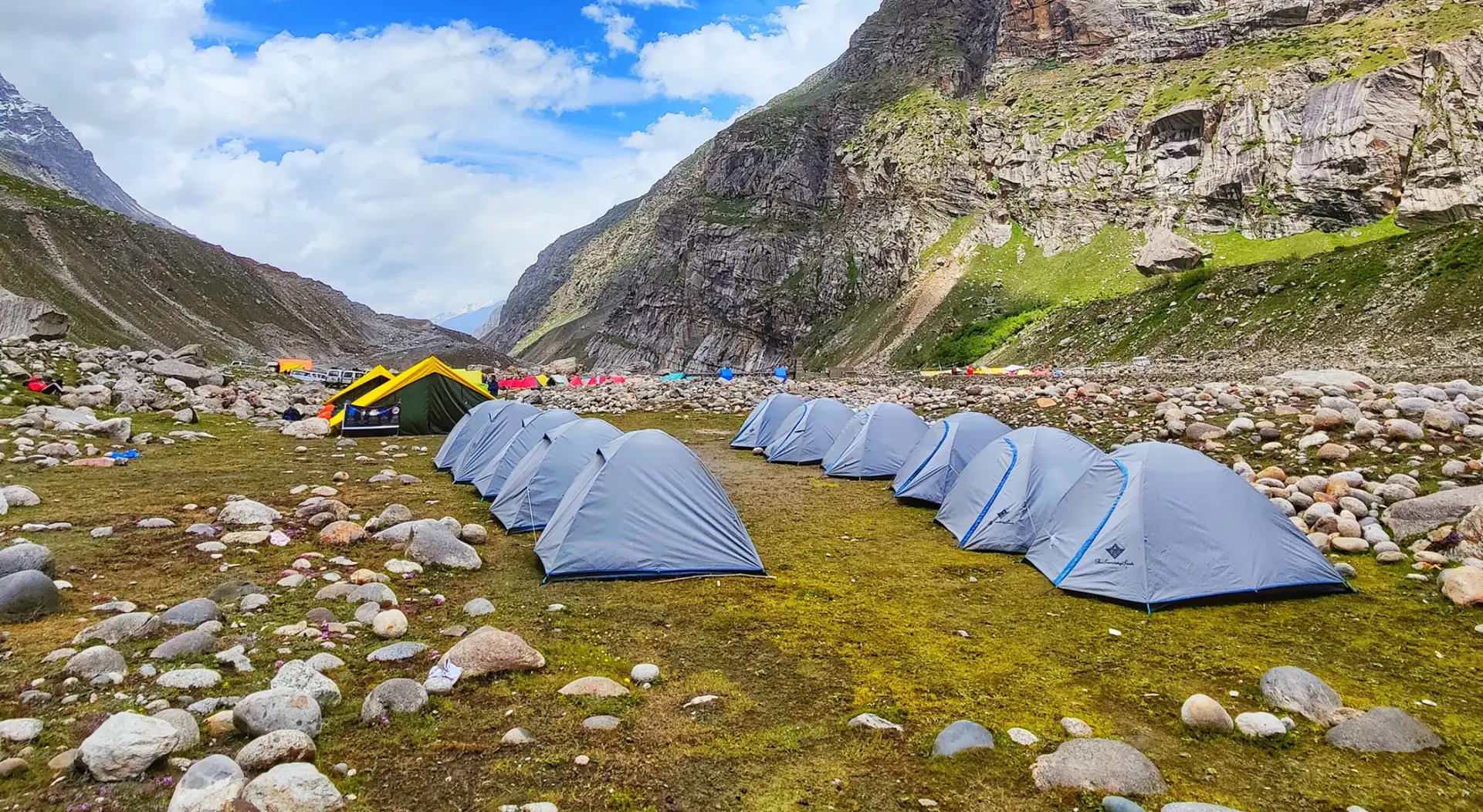
Sar Pass Trek
“The whole Sar Pass experience felt smooth from planning to the last day. The team stayed helpful, calm, and very clear throughout.”
AR
Ananya RawatSar Pass Trek

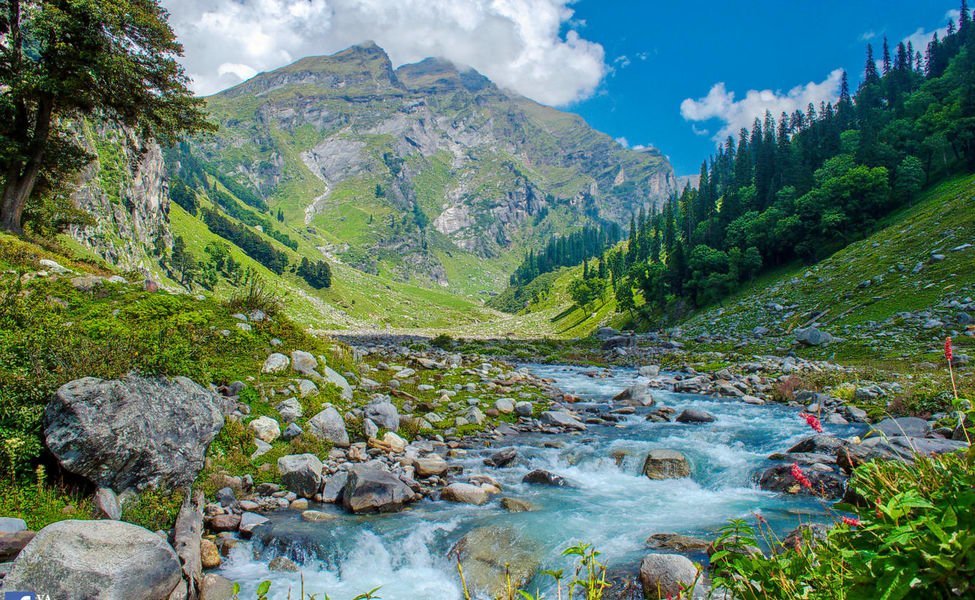
Hampta Pass Trek
“The itinerary pacing was excellent and the support on trail felt dependable. Every pre-departure question was answered quickly.”
VS
Vikas SharmaHampta Pass Trek
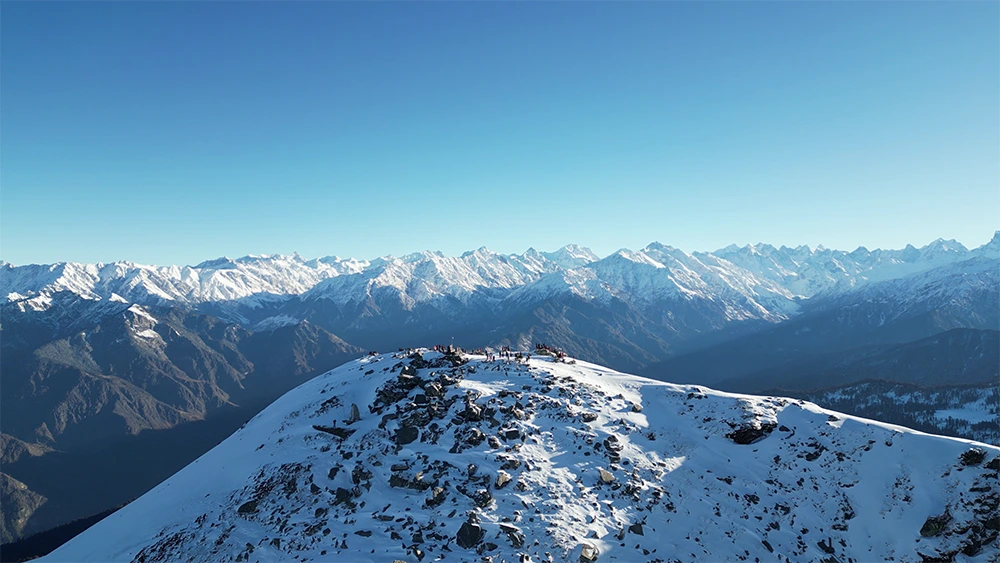
Valley of Flowers
“What stood out most was the communication. Pickup details, stay plans, and trek expectations were shared very clearly.”
NK
Nidhi KapoorValley of Flowers
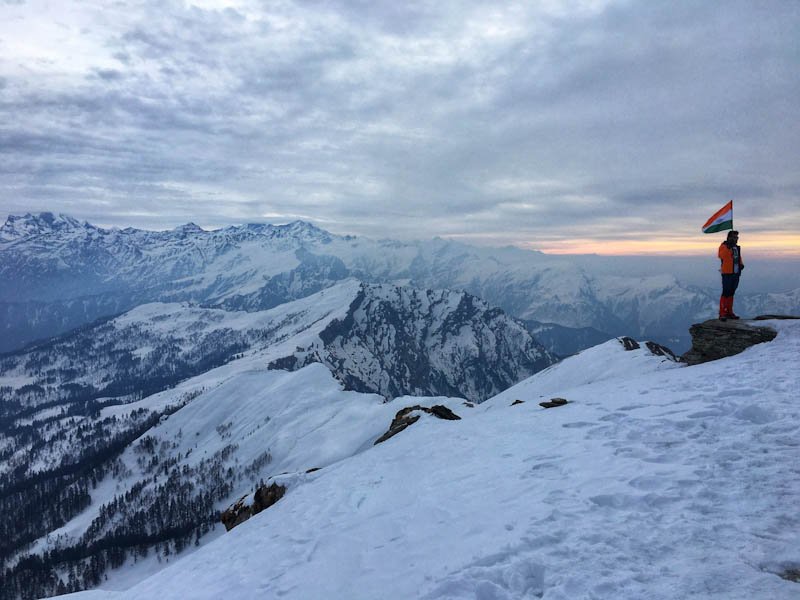
Tarsar Marsar Trek
“As a solo traveller, I was worried about coordination. The team made the whole journey feel smooth, safe, and well paced.”
PS
Priya SethiTarsar Marsar Trek
Pin Parvati Trek
“The planning support was excellent and the trek crew handled everything with confidence. It felt organized without losing the adventure feel.”
RG
Rohan GuptaPin Parvati Trek
Har Ki Dun Trek
“Every update came on time and the trip flow felt very easy to follow. Great communication before the trek and great energy on ground too.”
DM
Dev MalhotraHar Ki Dun Trek
Kedarkantha Trek
“This was our second trek with BookMyHikes and the consistency really stood out. Good support, clear expectations, and a super comfortable group experience.”
SK
Sana KhannaKedarkantha Trek
Brahmatal Trek
“As first-timers, we always felt looked after. The route briefing, camp support, and overall coordination made the trek feel very approachable.”
MT
Mehul TandonBrahmatal Trek
Credentials
Verified certifications for trusted mountain operations.
Registered for safer departures.