Easy to Moderate
Beas Kund Trek
Journey to the legendary source of the Beas River, trekking through lush alpine meadows, glacial valleys and breathtaking landscapes beneath the snow-covered peaks of the Pir Panjal range.

DAYS
4 Days / 3 Nights
BASE CAMP
Manali, Himachal Pradesh
COUNTRY
India
GRADE
Easy to Moderate
LOCATION
Kullu District, Himachal Pradesh
RAIL HEAD
Joginder Nagar Railway Station
FOOD
Vegetarian Meals During the Trek
AIRPORT
Bhuntar Airport (Kullu–Manali Airport)
ADVENTURE TYPE
High-Altitude Alpine Lake Trekking
SEASON
Summer & Autumn
ALTITUDE
12,139 Ft. (3,700 m approx.)
DISTANCE
Approx. 16–20 Km (Route Dependent)
MONTH
May–June & September–October
STAY
Alpine Tents (Shared Accommodation)
TRAIL TYPE
Alpine Meadows, Rocky Trails, Glacial Streams & Mountain Lake
The Beas Kund Trek is one of the most beautiful short Himalayan treks near Manali, offering an unforgettable journey through lush alpine meadows, glacial streams, rocky mountain trails and the magnificent landscapes of the Pir Panjal range. Located in the Kullu district of Himachal Pradesh, this scenic trek leads to Beas Kund, a high-altitude glacial lake traditionally regarded as the source of the Beas River. Surrounded by towering Himalayan peaks, the lake holds both geographical and mythological significance, making it an appealing destination for trekkers, nature enthusiasts and adventure travellers.
Situated at an approximate altitude of 3,700 metres (12,139 feet), Beas Kund lies above the picturesque Solang Valley, a region known for its mountain scenery and outdoor adventure activities. The trek offers a remarkable opportunity to explore the higher reaches of the Himalayas without undertaking a long expedition. Along the way, trekkers encounter changing mountain landscapes, from green valley floors and grasslands to rugged glacial terrain beneath snow-covered peaks.
The Beas Kund Trek in Himachal Pradesh is particularly popular among trekkers looking for a short but rewarding Himalayan experience. Its proximity to Manali, relatively manageable duration and impressive mountain views make it an attractive choice for physically fit beginners as well as experienced trekkers seeking a refreshing adventure.
Unlike many Himalayan treks where the main attraction is a summit or mountain pass, the highlight of this journey is reaching a peaceful alpine lake surrounded by dramatic peaks and learning about the river system that shapes much of the Kullu Valley.
Beas Kund Trek Route – From Solang Valley to the Glacial Landscapes of the Pir Panjal Range
The Beas Kund Trek route generally begins with a road journey from Manali towards Solang Valley and the Dhundi region. The exact trekking starting point depends on the selected itinerary, road accessibility and local regulations.
Solang Valley is located northwest of Manali and is well known for its scenic surroundings, mountain slopes and adventure tourism. As trekkers travel towards the trailhead, the landscape becomes increasingly dramatic, with steep mountain ridges, forested slopes and the Beas River flowing through the valley.
The trekking route gradually moves into the higher alpine region, passing through open grasslands, rocky pathways and mountain streams. One of the most attractive features of the journey is the transition from relatively accessible valley landscapes to the rugged surroundings of the upper Beas basin.
The trail commonly passes through or near Bakarthach, an alpine meadow area known for its expansive grasslands and impressive mountain backdrop. During the warmer months, the surrounding slopes may display seasonal vegetation and wildflowers, creating a beautiful contrast with the snow-covered peaks rising above the valley.
As trekkers continue towards Beas Kund, the terrain becomes increasingly rocky. Glacial deposits, boulders and uneven mountain paths form part of the upper route, requiring careful footing and a steady walking pace.
The final approach reveals the remarkable high-altitude setting of Beas Kund. Surrounded by steep mountain slopes and glacial landscapes, the lake offers a peaceful destination beneath some of the most recognisable peaks in the Manali region.
The combination of alpine meadows, mountain streams and rugged terrain makes the Beas Kund trekking route one of the most rewarding short treks in the Kullu Valley.
Beas Kund – The Sacred Glacial Lake Associated with the Origin of the Beas River
Beas Kund is more than a scenic Himalayan lake. It is also an important location in the cultural and geographical landscape of Himachal Pradesh.
The lake is traditionally associated with the origin of the Beas River, one of the major rivers flowing through Himachal Pradesh and Punjab. The river is fed by snowmelt, glaciers, streams and other tributaries originating in the surrounding mountains, with Beas Kund forming part of the upper Beas catchment.
According to local traditions and Hindu mythology, the lake is associated with Sage Vyas (Ved Vyasa), the revered sage traditionally credited with compiling the Mahabharata. The name Beas is commonly linked with Vyas, and the lake is regarded as a sacred location in regional belief.
This combination of natural beauty and cultural significance gives the Beas Kund Trek a distinctive character. Trekkers visit not only to admire the Himalayan scenery but also to experience a place connected with longstanding mountain traditions.
The lake's appearance changes throughout the trekking season. During periods of snowmelt, the surrounding slopes may retain patches of snow, while the lake and nearby streams reflect changing seasonal conditions.
Visitors should respect the ecological and cultural importance of the area by avoiding littering, contaminating water sources or disturbing the natural surroundings.
Spectacular Mountain Views Along the Beas Kund Trek
One of the major attractions of the Beas Kund Trek near Manali is the opportunity to experience close views of the impressive mountain peaks surrounding the upper Solang Valley.
The route lies beneath the dramatic mountain landscapes of the Pir Panjal range, with prominent peaks such as Hanuman Tibba, Friendship Peak and Shitidhar forming part of the wider mountain panorama.
Hanuman Tibba is among the best-known peaks in the Manali region and provides an imposing backdrop to the upper Beas Valley. Its snow-covered slopes and rugged ridgelines contribute to the spectacular scenery encountered during the trek.
Friendship Peak is another prominent mountain in the region, attracting experienced mountaineers and adventure enthusiasts. Although the Beas Kund Trek does not involve climbing these peaks, trekkers can appreciate their scale from suitable viewpoints along the route.
The surrounding glaciers, high mountain ridges and seasonal snowfields create an impressive alpine environment. During clear weather, the contrast between green meadows, rocky slopes and snow-covered summits provides excellent opportunities for landscape photography.
The mountain scenery changes noticeably throughout the day as sunlight moves across the surrounding ridges, making the journey especially rewarding for nature lovers and photographers.

Tax Benefit
+5% GST (goods and services tax)
Services
Manali to Manali
Meeting Point
NEAR MANALI BUS STAND.
Reporting Time
10:00 AM
Drop Time
6:30 pm to 7:30 pm (Timings are subject to change based on weather and road conditions).
Important
Please reach Manali a day before to avoid any delays.


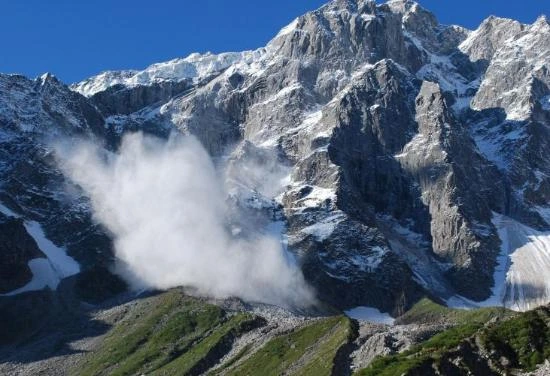
Dhundi Meadows

Bakar Thach (Bakarthatch)

Lohali Campsite

Friendship Peak and Lady Leg
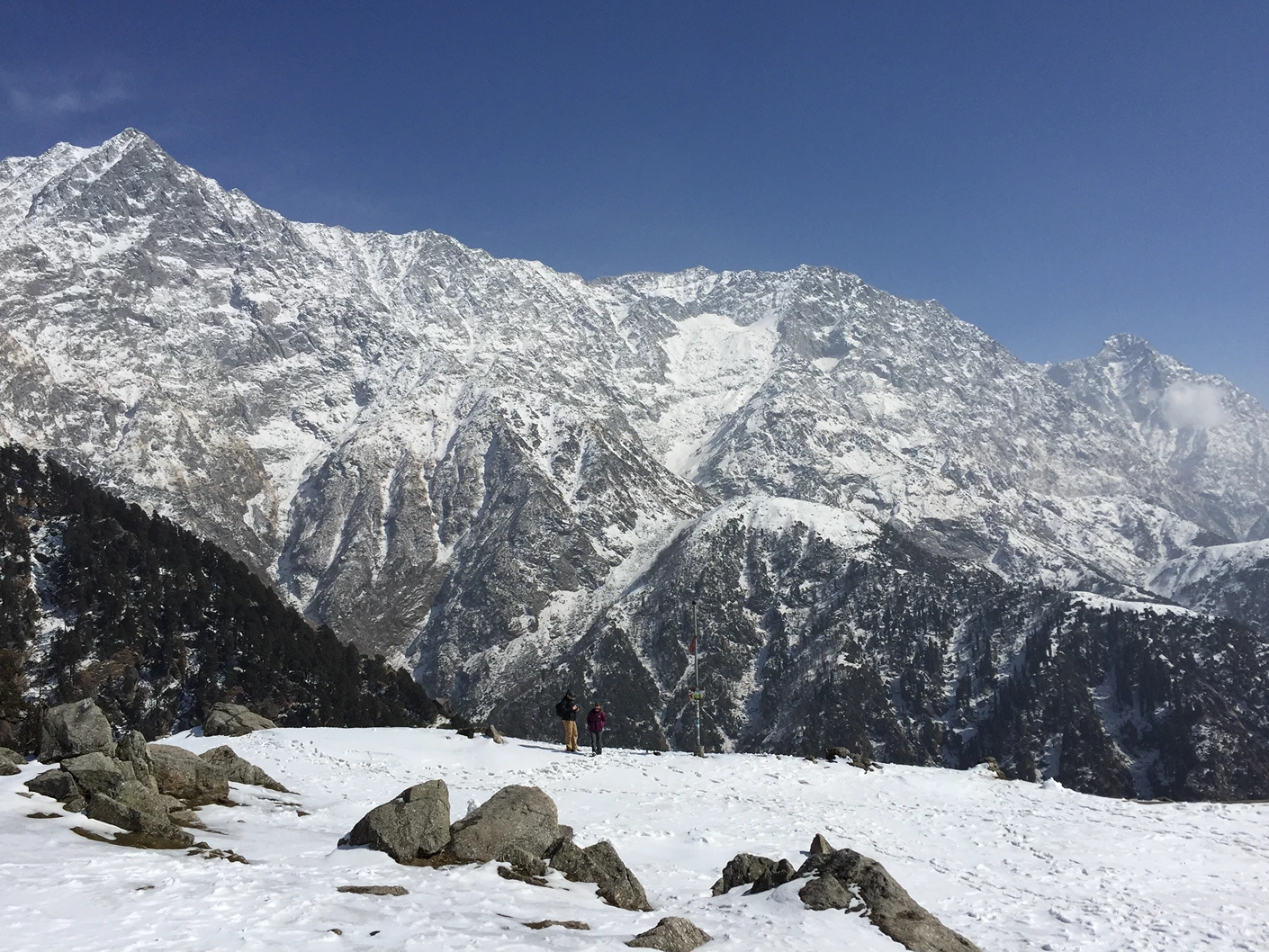
Hanuman Tibba and Base Glaciers

Solang Valley
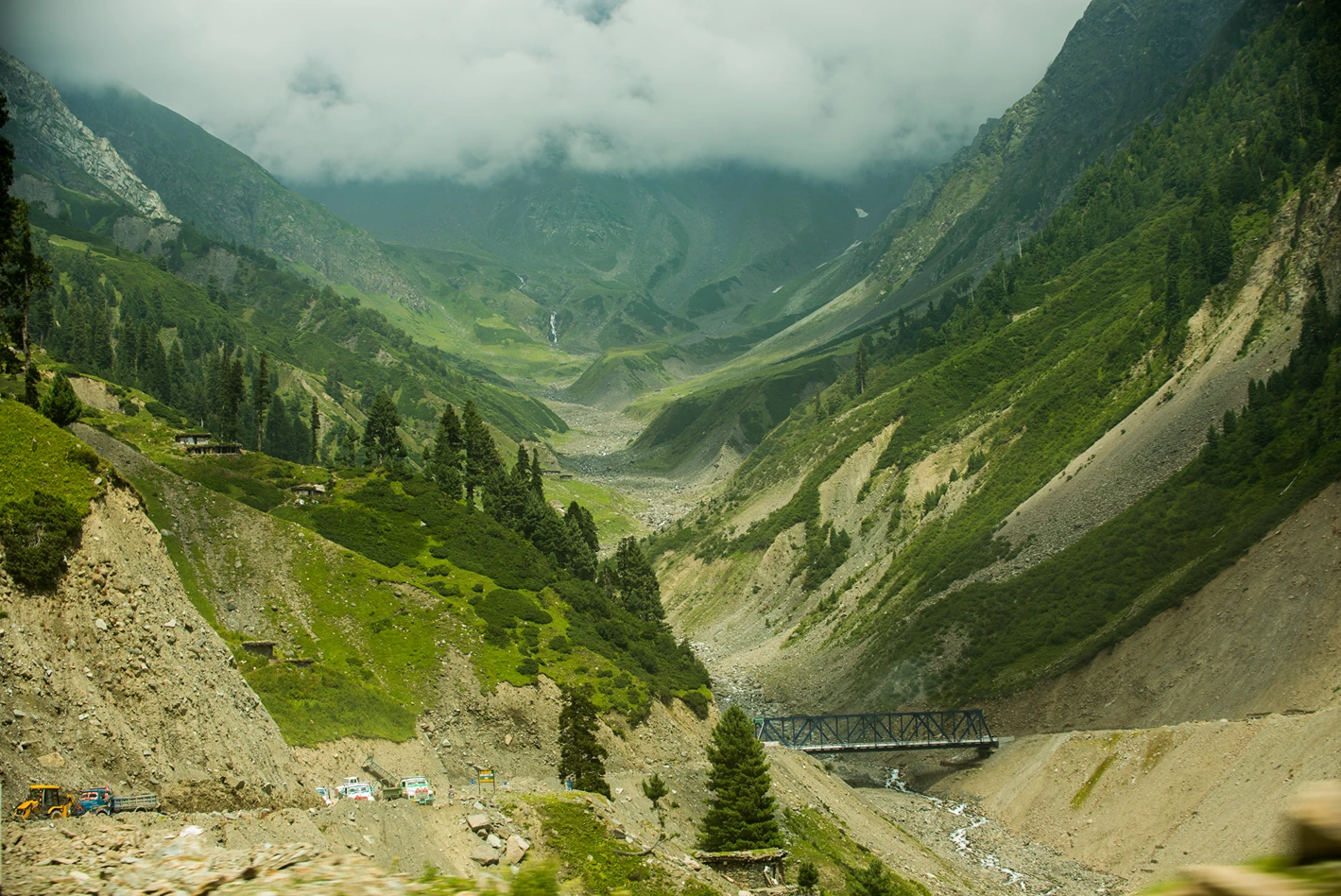
Pir Panjal Mountain Range

Mixed Alpine Forests

01
DAY
Drive from Manali to Solang Valley and Trek to Dhundi (12 Km Drive + Trek)
- The Beas Kund Trek from Manali begins with an early morning pickup at approximately 6:30 AM. After meeting the trekking team and completing the initial briefing, we start our scenic drive towards Solang Valley, one of the most beautiful mountain destinations in the Kullu district of Himachal Pradesh.
- The drive covers approximately 12 km from Manali to Solang Valley, passing through forested mountain slopes and picturesque landscapes. As we move away from Manali, the surrounding peaks become more prominent, offering an impressive introduction to the Himalayan environment.
- Upon reaching Solang Valley, we prepare for the first trekking stage towards Dhundi, situated at an altitude of approximately 9,465 feet. The trek leader will provide instructions about walking pace, mountain weather, trail conditions and essential safety precautions before the group begins walking.
- The initial trail passes through the scenic surroundings of Solang Valley, where green mountain slopes, scattered trees and rocky pathways create a refreshing trekking environment. The route gradually moves away from the busier tourist areas towards the quieter upper valley.
- As we continue ascending, the landscape becomes increasingly rugged, with sections of loose stones, mountain streams and forested slopes. Depending on the exact route and seasonal conditions, trekkers may encounter small stream crossings that require careful footing.
- The trail passes through areas of pine forest and gradually approaches the upper Beas River valley. Along the way, the surrounding mountains offer beautiful views of the rugged terrain and seasonal snowfields visible at higher elevations.
- Further ahead, we approach the Dhundi region, where the Beas River flows through a valley surrounded by steep mountain slopes and scattered boulders. The landscape becomes more open, revealing the impressive mountain scenery associated with the upper Solang Valley.
- After crossing the designated bridge or river crossing point, we continue towards the camping area near Dhundi. The exact campsite location will depend on local regulations, weather conditions and the arrangements made by the trekking team.
- Upon reaching Dhundi Campsite, participants can settle into their tents and relax after the first day of trekking. The evening provides an opportunity to enjoy the peaceful mountain surroundings and prepare for the gradual ascent towards Lohali.
- Dinner will be served at the campsite, followed by an overnight stay in tents.
02
DAY
Trek from Dhundi to Lohali Campsite (3 Km, 4–5 Hours)
- After breakfast at Dhundi Campsite, we begin the second stage of the Beas Kund Trek itinerary, ascending towards Lohali through the beautiful upper Beas Valley. Although today's trekking distance is relatively short, the route involves a noticeable altitude gain and several steep sections.
- The trail initially climbs through rugged mountain terrain, with forests of pine, birch and other native Himalayan vegetation appearing along the lower sections. The gradual transition from forested slopes to more open alpine surroundings makes this part of the trek especially scenic.
- As we continue gaining elevation, the trail passes through rocky pathways and areas where small mountain streams descend from the surrounding slopes. Depending on seasonal water levels, trekkers may need to cross designated stream sections with assistance from the trekking team.
- The Beas River remains an important feature of the journey, flowing through the rocky valley below. Its glacier-fed waters create a striking contrast with the surrounding mountain slopes and scattered boulders.
- As the trail climbs higher, the treeline gradually begins to disappear, giving way to low alpine shrubs, grasslands and exposed rocky terrain. The valley opens into broader mountain scenery, providing impressive views of the surrounding ridges.
- The upper sections of the route offer opportunities to observe snow-covered slopes and glacial features in the distance, depending on weather conditions. The landscape becomes increasingly dramatic as we approach the higher camping areas.
- After approximately 3 km of trekking, generally requiring 4–5 hours because of the ascent and terrain, we reach Lohali Campsite, situated at around 10,974 feet.
- Lohali is surrounded by rugged mountain scenery and provides a peaceful setting for the second night of the trek. Participants can enjoy the surrounding views, rest and prepare for the following day's visit to Beas Kund.
- The trek leader will conduct an evening briefing covering the next day's ascent, expected weather, equipment requirements and precautions for trekking at higher elevations.
- Dinner and overnight accommodation will be arranged in tents at Lohali Campsite.
03
DAY
Trek from Lohali to Beas Kund and Return (6.8 Km, 5–6 Hours)
- Day 3 is the most exciting stage of the Beas Kund Trek, as we ascend towards the beautiful glacial lake surrounded by the towering mountains of the Pir Panjal range. After an early breakfast, we prepare for the day's trek, carrying essential items such as water, snacks, warm clothing and rain protection.
- Leaving Lohali Campsite behind, the trail begins ascending through increasingly rugged mountain terrain. The route includes rocky sections, uneven pathways and steeper slopes that require steady pacing and careful footing.
- As we climb higher, the surrounding vegetation becomes sparse and the landscape opens into impressive alpine scenery. The mountain ridges rise dramatically above the valley, while patches of snow may remain visible on the surrounding slopes depending on the season.
- After a sustained ascent, we approach the beautiful alpine meadow area commonly referred to as Lady Leg. This section offers expansive mountain views and provides an opportunity to rest before continuing towards the higher terrain surrounding Beas Kund.
- During clear weather, trekkers may enjoy impressive views of Friendship Peak, one of the prominent mountains in the Manali region. The surrounding ridges and glacial landscapes create a spectacular backdrop for the final stage of the ascent.
- From the meadow, we continue towards the higher viewpoint and the approach to Beas Kund, navigating rocky terrain and following the established trekking route. The lake lies within a rugged mountain basin surrounded by dramatic peaks and glacial slopes.
- Upon reaching Beas Kund, trekkers can experience the peaceful surroundings of this high-altitude lake, traditionally associated with the origin of the Beas River. The natural setting offers an excellent opportunity to appreciate the geographical and cultural significance of the location.
- The wider mountain panorama may include views towards Hanuman Tibba, Friendship Peak, Shitidhar and Ladakhi Peak, depending on the viewpoint and weather conditions. Other prominent peaks of the greater Manali region form part of the surrounding Himalayan landscape.
- Participants can spend some time enjoying the scenery, taking photographs and resting before beginning the return journey. The duration of the stop will depend on weather conditions, group fitness and available daylight.
- After exploring the lake area, we retrace our route towards Lohali Campsite. The descent requires continued attention because of loose stones, uneven pathways and potentially slippery sections.
- After completing approximately 6.8 km of trekking, we return to Lohali for the evening. Dinner and overnight accommodation will be arranged in tents, providing a comfortable conclusion to the main trekking day.
04
DAY
Trek from Lohali to Solang Valley and Drive Back to Manali (9 Km Trek)
- The final day of the 4 Days / 3 Nights Beas Kund Trek begins with breakfast at Lohali Campsite. After enjoying the fresh mountain air and surrounding views, participants prepare for the descent towards Solang Valley.
- Before leaving the campsite, the trekking team will ensure that all equipment is packed and the camping area is cleared of waste. Responsible trekking practices are especially important in the fragile alpine environments of the upper Beas Valley.
- We begin descending along the established trail, passing through the rocky mountain terrain encountered during the ascent. The downhill route provides a different perspective of the surrounding peaks and valleys, with beautiful views opening up as we gradually lose altitude.
- As we approach the lower sections of the valley, the landscape transitions from exposed alpine terrain towards greener slopes and scattered forest vegetation. The Beas River continues to accompany portions of the route, flowing through the rocky mountain valley below.
- The descent includes uneven stone pathways, stream crossings and sections where loose rocks may require careful movement. Although the route is predominantly downhill, trekkers should maintain a controlled pace to avoid unnecessary strain on the knees and ankles.
- Further along the trail, we pass through the Dhundi region, where the mountain valley becomes wider and the surrounding landscape begins to resemble the greener terrain of Solang Valley.
- Continuing towards Solang, trekkers can enjoy their final views of the rugged Pir Panjal mountains, alpine grasslands and beautiful river landscapes that make the Beas Kund Trek one of the most scenic short Himalayan adventures near Manali.
- After approximately 9 km of trekking, generally taking 5–6 hours, we reach the designated road-accessible trailhead in the Solang Valley area.
- From here, we board the arranged vehicle for the return drive to Manali, marking the completion of the Beas Kund trekking journey.
- The trek concludes upon arrival in Manali, leaving participants with memorable experiences of alpine meadows, glacial landscapes and the beautiful mountain scenery surrounding Beas Kund.

One of the most common questions before any Himalayan trek is simple: what should you pack? A smart packing list keeps you comfortable on the trail without making your backpack unnecessarily heavy.
The easiest way to pack is to go step by step, either from head to toe or toe to head. That simple pattern helps you stay organized and lowers the chance of forgetting essentials.
01 Backpacks
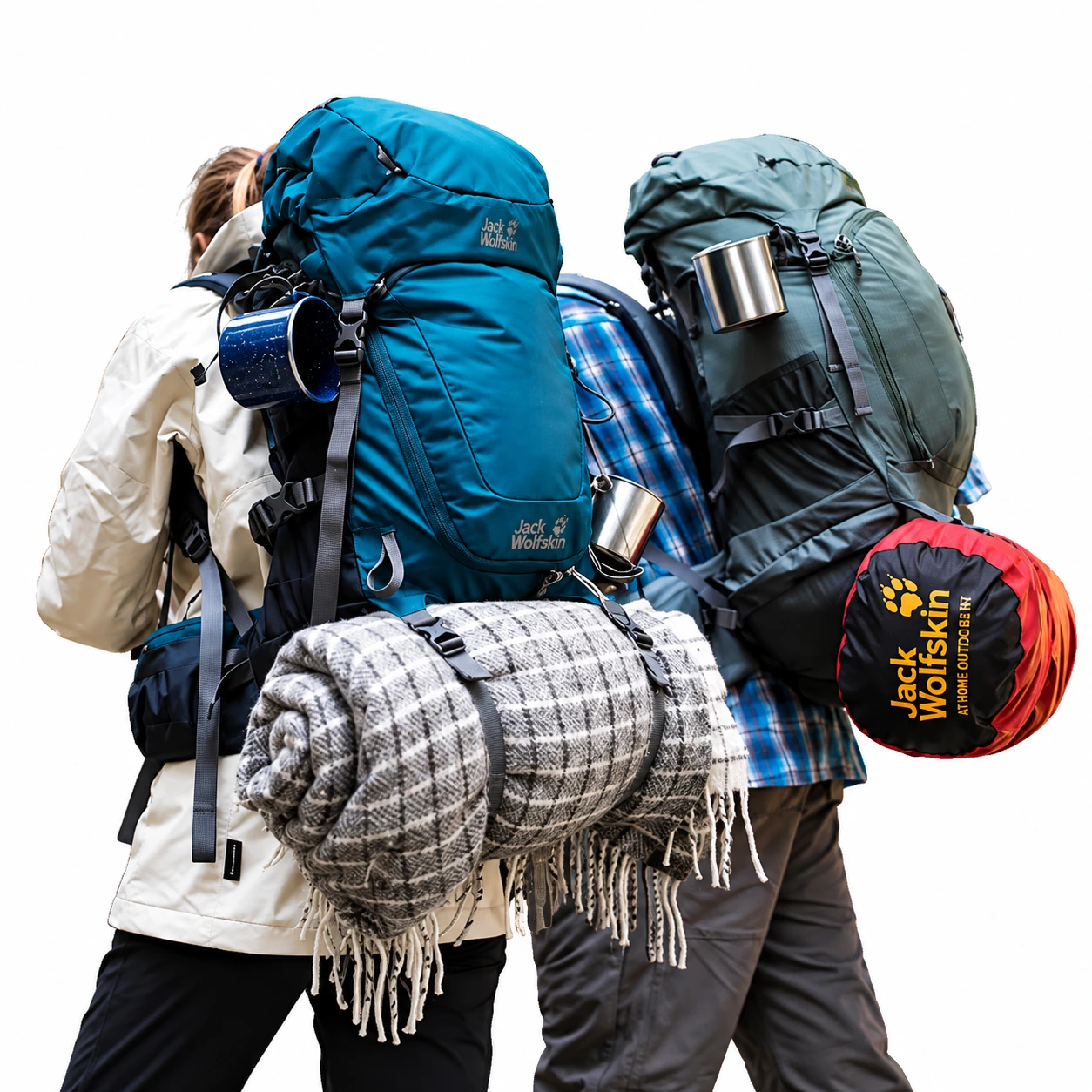
Choose a backpack that feels comfortable on your shoulders and hips. For a week-long trek, a 60 to 70 liter backpack is usually enough for your clothing, gear, and personal essentials.
- Main backpack: Good hip support, shoulder support, and easy-access pockets.
- Daypack: Useful for short hikes, sightseeing, and carrying daily essentials when the main bag is not needed.
02 Footwear
- Trekking shoes: Prefer waterproof shoes with high-ankle support.
- Walking or hiking sandals: Great for camp use, resting your feet, or stream crossings.
- Sneakers: Optional, but useful for travel days or relaxed time around camp.
- Socks: Carry 3 to 5 pairs that are warm, comfortable, and quick-drying.

03 Clothing Layers
- Jacket: A good quality hiking or trekking jacket for layering.
- Pants: Lightweight, quick-drying trekking pants, plus a warm lower layer for colder nights.
- T-shirts and base layers: Carry 3 to 4 warm, comfortable tees along with a long-sleeve layer.
- Thermals and leggings: Two pairs of thermals and warm leggings are ideal for cold mornings and evenings.
- Undergarments: Pack according to your personal requirement.
- Buff or balaclava: Essential for protecting your neck and throat from wind and cold.
- Beanie cap and hiking hat: A beanie helps in cold weather, while a sun hat protects you during the day.
- Gloves: One warm pair is usually enough.

04 Rain Protection
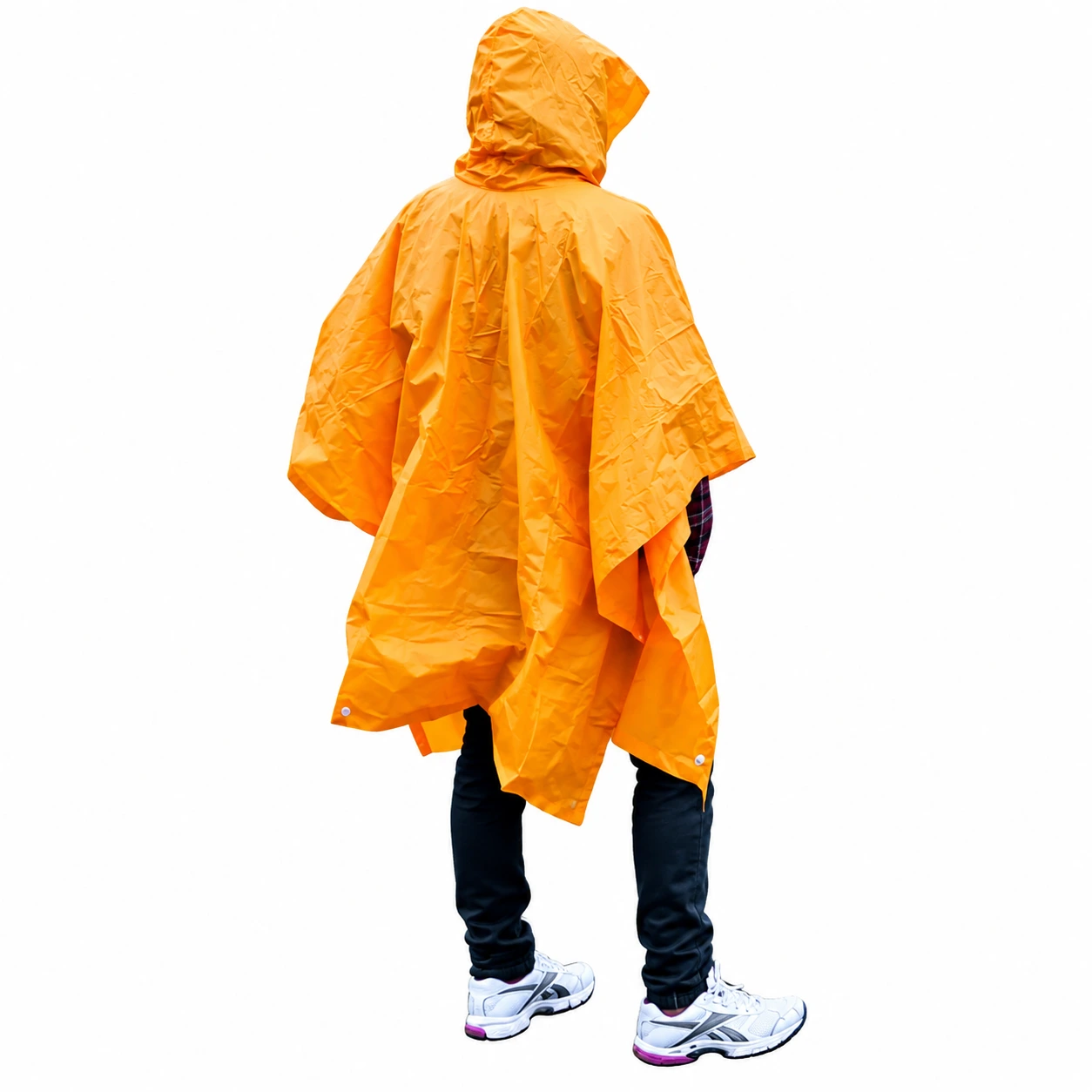
- Raincoat and rain pants: Helpful in changing mountain weather.
- Rain poncho: A practical option during longer spells of rain.
- Rain covers: Carry waterproof covers for both your backpack and daypack, especially for gadgets.
05 Gadgets and Useful Extras
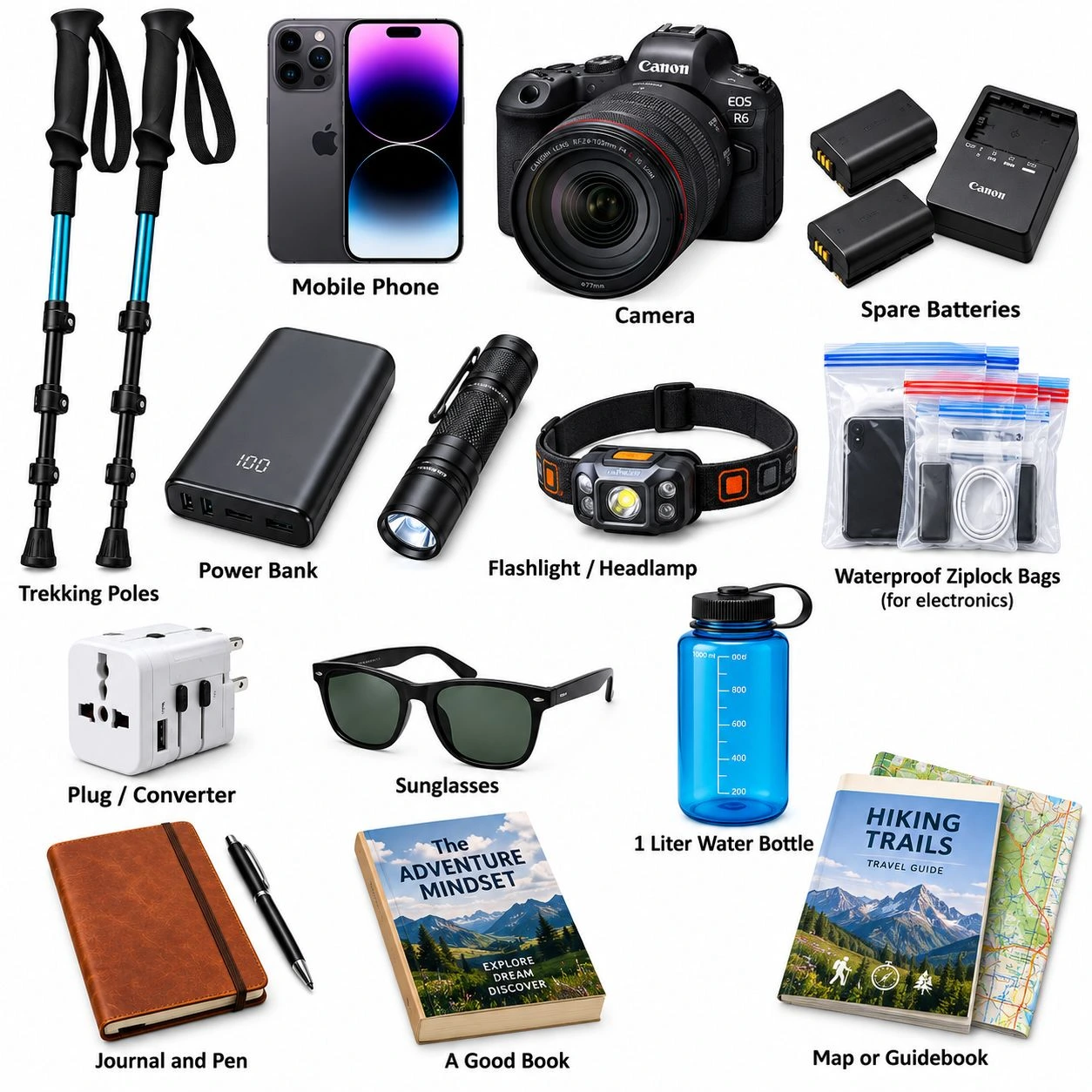
- Trekking poles, mobile phone, camera, and spare batteries.
- Power bank, lightweight flashlight or headlamp, and waterproof ziplock bags for electronics.
- Plug or converter, sunglasses, and a 1 liter water bottle.
- A journal and pen, a good book, and a map or guidebook if you enjoy documenting the journey
06 Hygiene and Toiletries
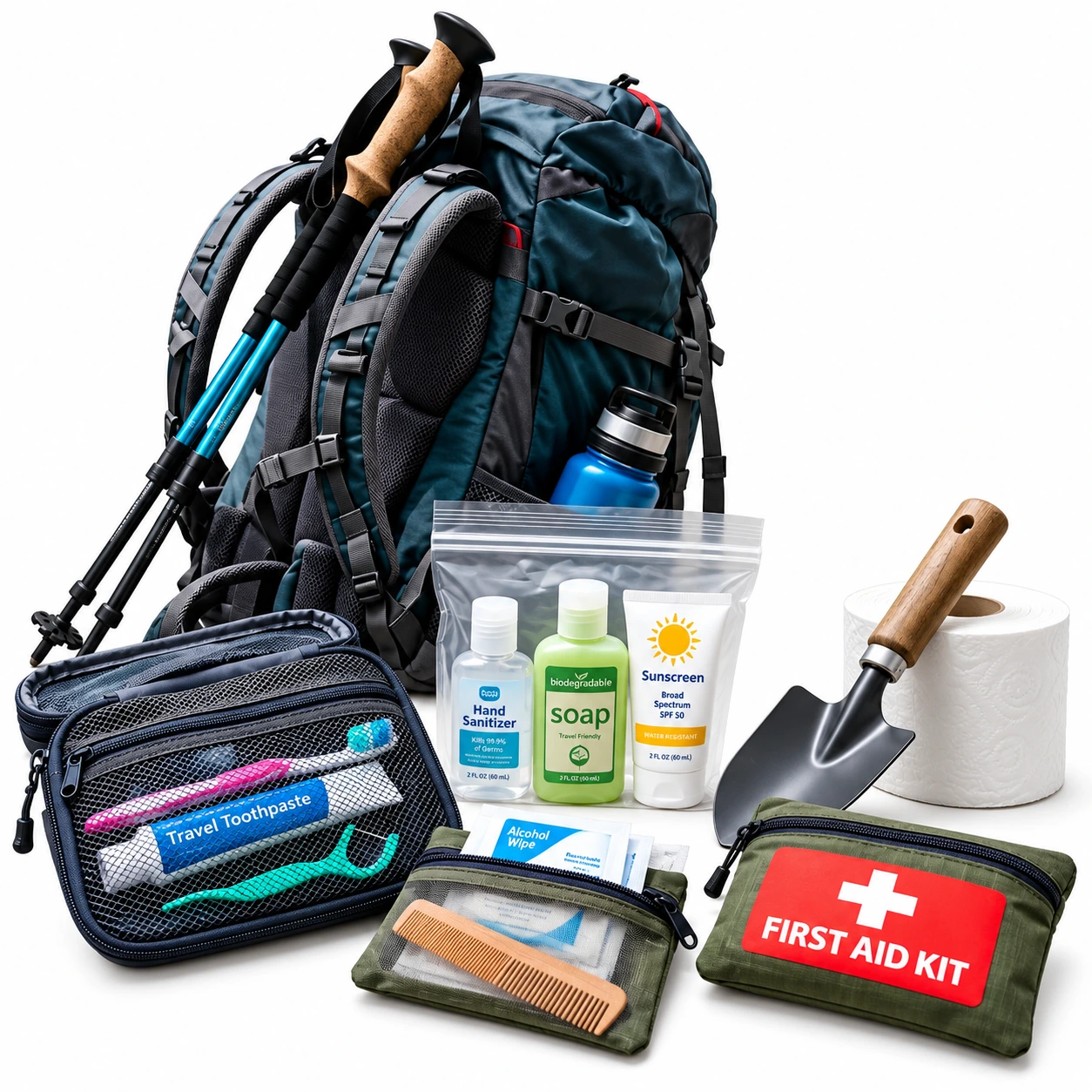
- Sunscreen with UV protection and lip balm or salve.
- Quick-drying towels, toilet paper, tissues, or wet wipes.
- Toothbrush, toothpaste, mouth freshener, shampoo, deodorant, and talcum powder.
- Biodegradable soap, nail clipper, and any personal daily-use items.
- Sanitary pads or tampons if needed.
07 First Aid and Energy
Carry a personal first-aid kit with the basics you may commonly need on an adventure trip, and always consult your doctor before taking any medicine.
- Antiseptic wipes or water syringe, butterfly bandages, sterile gauze pads, and elastic bandages.
- Latex gloves, medicines for upset stomach, cold, flu, fever, headache, and basic pain relief.
- ORS sachets, pain relief spray, bug repellent, and any prescription medicines you already use.
- Medicine for high altitude concerns such as Diamox or a similar alternative, only after medical advice.
- Carry some energy bars and non-alcoholic energy drinks for quick support on the trail.

Important note: Check what gear can be rented or purchased through BookMyHikes and what you should bring from home. Keeping your backpack light makes the trek more comfortable and enjoyable.

Inclusions
- Accommodation:3 Nights of Tented Accommodation on a triple sharing basis.
- Transportation:Surface transfer from Manali to Manali by Sumo / Bolero.
- Meals:All Veg meals from Day 1st lunch to Day 4th breakfast.
- Snacks:Morning / Evening Tea / Coffee with light snacks.
- Camping logistics:Tent, Sleeping bags, Mattresses, Dining tent, Toilet tent.
- Trek Leader:Qualified and Experienced Trek leader and support staff.
- Permits:All necessary fees and permits.
- Trekking Equipment:Gaiters, Micro Spikes, and Rope if required.
- Safety Equipment:Basic First Aid kit with Oximeter and Oxygen Cylinder.
- Guide ratio:1:10
Exclusions
- Any expenses of personal nature.
- Meals during transit.
- Insurance of any kind.
- Any fees and permits (For Foreigners).
- Unscheduled delay due to a landslide.
- Cost Escalation due to “Force Majeure and Evacuation charges”.
- Anything not mentioned explicitly in the above program.
Note: You can apply for travel insurance prior to the trek.
Bag offloading cost: Rs 1200 (maximum weight should not be more than 10 kg)

Life is unpredictable and we understand sometimes you have to cancel or change your trip dates and it is our endeavour to make it as easy possible for you. However, please understand we plan everything including guide fees, permits, accommodation and ration in advance. Therefore, any cancellation means inconvenience and certain losses to the people involved in various stages of programme. Keeping that in mind, our cancellation charges are as below :
Cancellation Timeline
-
30 days before the event Best cancellation window with the lowest deduction.Deduction 15% Lowest cutReturn 85% Monetary Refund Into original payment mode
-
15-30 days before trek start Moderate cancellation window before core ground arrangements intensify.Deduction 50% Mid-stage cutReturn 50% Cash Voucher Valid for 12 months
-
Less than 15 days before trek start Late cancellation window after trek operations are mostly aligned.Deduction 100% Higher cutReturn No Refund
Voucher Rules
After applicable cancellation deductions, the remaining amount is refunded only in the form of a trek voucher. The voucher can be used for any trek, tour, or yatra booked with BookMyHikes.
The trek voucher is valid for 12 months from the date of issue.
The voucher must be used for the same number of persons for whom it was issued.
The voucher cannot be redeemed as a cash refund and cannot be extended beyond its expiry date.
To redeem a voucher, email BookMyHikes 15 to 20 days before the new trip date.
What is the difficulty level of the Beas Kund Trek?
The Beas Kund Trek is classified as easy to moderate, making it suitable for physically fit beginners and trekkers with some hiking experience. The route includes gradual ascents, steep sections, rocky pathways and mountain streams. Although the trek is relatively short, good stamina and comfortable trekking footwear are recommended.
What is the maximum altitude of the Beas Kund Trek?
Beas Kund is commonly described as being situated at approximately 3,700 metres (12,139 feet) above sea level. However, the supplied detailed itinerary lists a maximum altitude of 12,772 feet. The exact elevation should be confirmed against the selected trekking route before departure.
What is the best time to do the Beas Kund Trek?
The best time for Beas Kund Trek is generally from May to June and September to October. Summer offers green alpine meadows and mountain streams, while autumn often provides clearer views of the surrounding peaks. Snow conditions, rainfall and local trail accessibility can affect the operating season.
Is the Beas Kund Trek suitable for beginners?
Yes, the Beas Kund Trek for beginners is a popular choice for people with reasonable physical fitness. However, participants should be comfortable walking for several hours on uneven mountain terrain. Regular walking, stair climbing and basic cardiovascular exercises can help prepare for the ascent towards the lake.
How many days are required to complete the Beas Kund Trek?
The planned Beas Kund Trek itinerary takes 4 days and 3 nights, including pickup and drop-off from Manali. The route covers Solang Valley, Dhundi, Lohali and Beas Kund. Three nights are spent camping, with the final day involving a descent towards Solang Valley and a return drive to Manali.
What is the total trekking distance of the Beas Kund Trek?
The total Beas Kund Trek distance depends on the selected trailhead and camping locations. In the supplied itinerary, Days 2–4 cover approximately 18.8 km, excluding the first day's walk from Solang Valley to Dhundi. The complete trekking distance should be confirmed once the Day 1 route measurement is finalised.
Where does the Beas Kund Trek start and end?
The Beas Kund Trek from Manali begins with a road transfer towards Solang Valley, followed by trekking through Dhundi and Lohali. After visiting Beas Kund, participants descend towards Solang Valley and return to Manali. Both the scheduled pickup and final drop-off are in Manali.
Is there snow on the Beas Kund Trek?
Snow may be present around Beas Kund and the higher mountain slopes during May, early June and periods following fresh snowfall. Conditions vary each year, and snow cannot be guaranteed. Heavy snow or icy terrain may require route modifications or additional safety precautions.
What accommodation and meals are provided during the Beas Kund Trek?
The planned itinerary includes three nights of tented accommodation at Dhundi and Lohali. Vegetarian meals are generally arranged during the trekking stages. Participants should review the final package inclusions for the exact meal schedule, tent-sharing arrangements, drinking water provisions and any additional charges.
Which mountain peaks are visible during the Beas Kund Trek?
The Beas Kund trekking route offers views of prominent mountains in the Manali region, including Hanuman Tibba, Friendship Peak, Shitidhar and Ladakhi Peak from suitable viewpoints. Visibility depends on weather conditions, cloud cover and the exact location along the trail.
What is special about Beas Kund Lake?
Beas Kund is a high-altitude glacial lake traditionally associated with the origin of the Beas River. It is also linked with Sage Vyas in Hindu mythology. Its peaceful alpine setting, surrounding mountain peaks and cultural significance make it one of the most distinctive short trekking destinations near Manali.
What should I carry for the Beas Kund Trek?
Essential items include trekking shoes with good grip, thermal layers, an insulated jacket, waterproof clothing, gloves, a headlamp, sunglasses, sunscreen, a reusable water bottle and personal medication. Trekking poles are useful on rocky slopes, while a lightweight daypack is recommended for the visit to Beas Kund.
Is altitude sickness a concern during the Beas Kund Trek?
Yes. The trek reaches elevations above 3,500 metres, where some participants may experience altitude-related symptoms such as headache, nausea, dizziness or unusual fatigue. Proper pacing and attention to symptoms are important. Anyone experiencing worsening symptoms should inform the trek leader immediately and seek medical assessment.
Can I complete the Beas Kund Trek in two days?
Some experienced trekkers complete shorter versions of the Beas Kund Lake Trek in two days, depending on the trailhead, fitness and weather. However, the Book My Hikes itinerary follows a 4-day schedule, allowing more time for camping, gradual ascent and enjoying the surrounding Himalayan landscapes.
What is the pickup and drop-off location for the Beas Kund Trek?
The scheduled pickup and drop-off location is Manali, Himachal Pradesh. According to the supplied itinerary, departure is planned for approximately 6:30 AM on Day 1. The exact meeting point and Day 4 return time should be confirmed with the trekking team before departure.


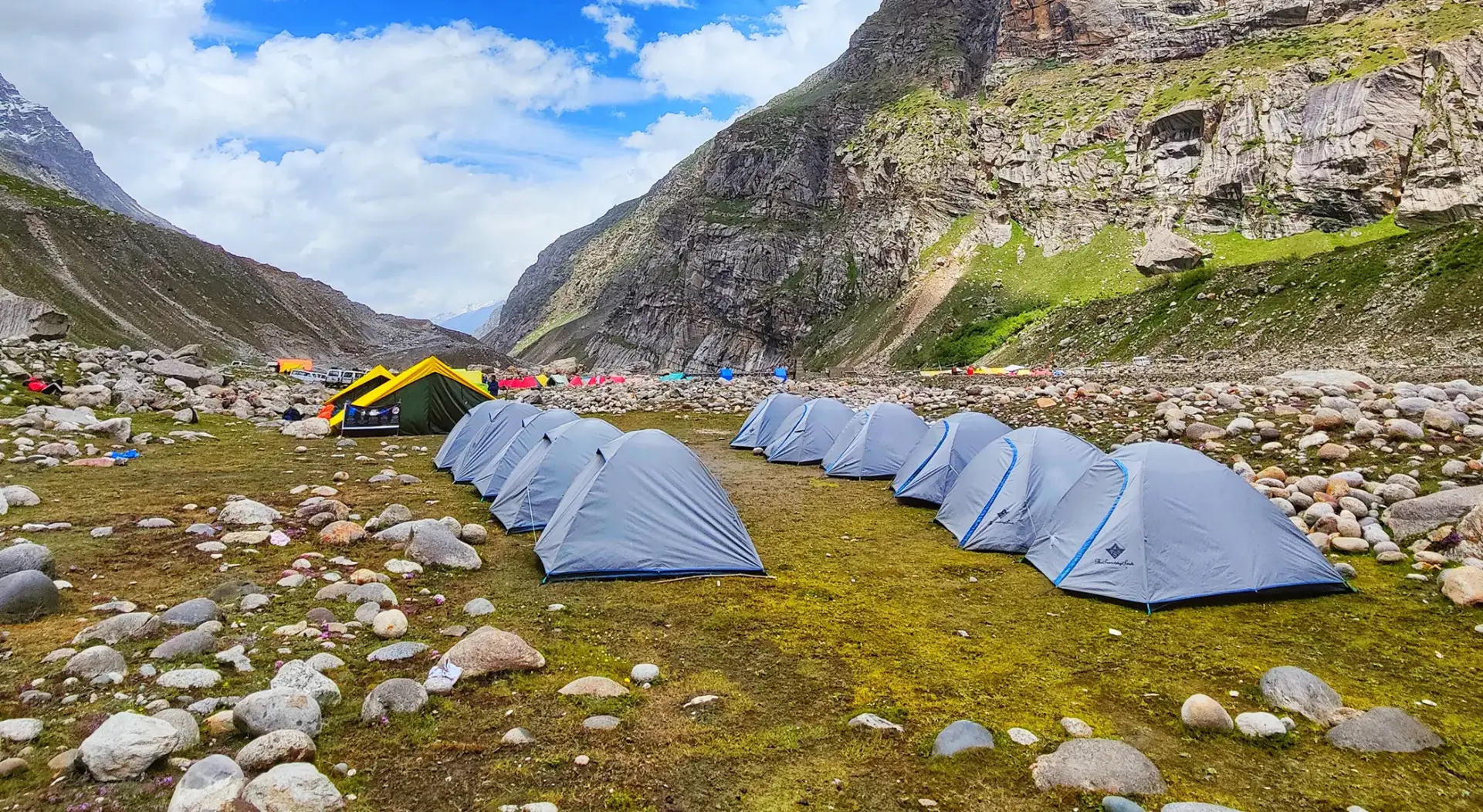
Grahan Trek
Himachal Pradesh
3 Days / 2 Nights
Easy to Moderate
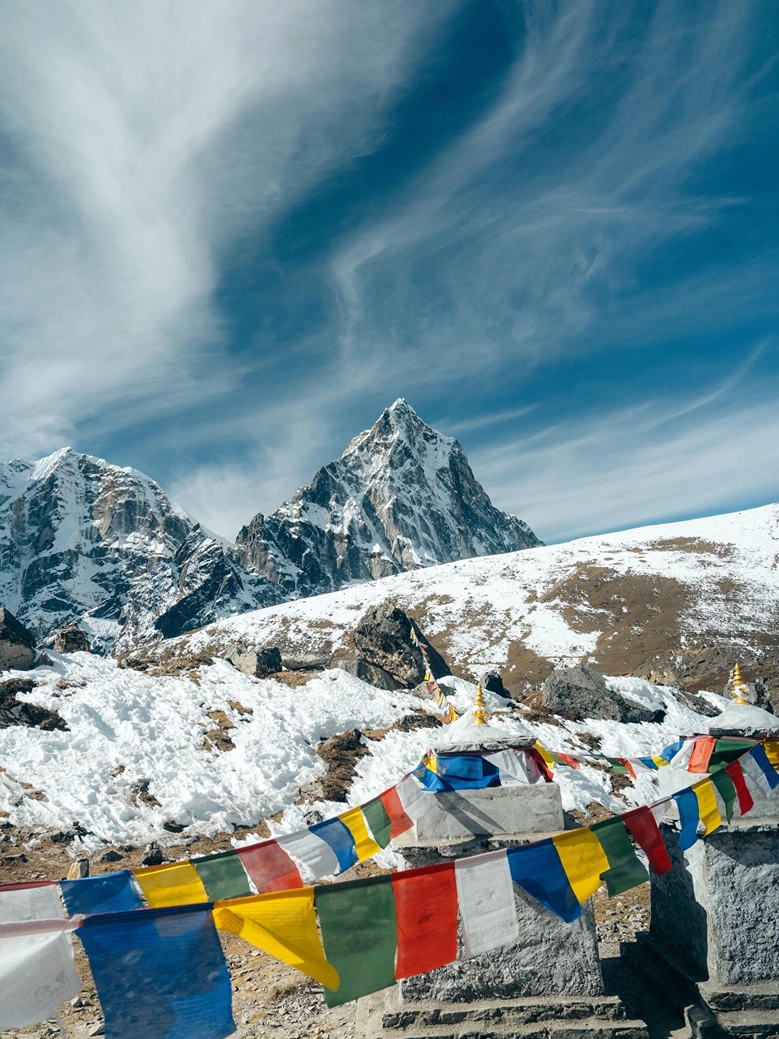
Everest Base Camp Trek
Nepal
15 Days / 14 Nights
Challenging
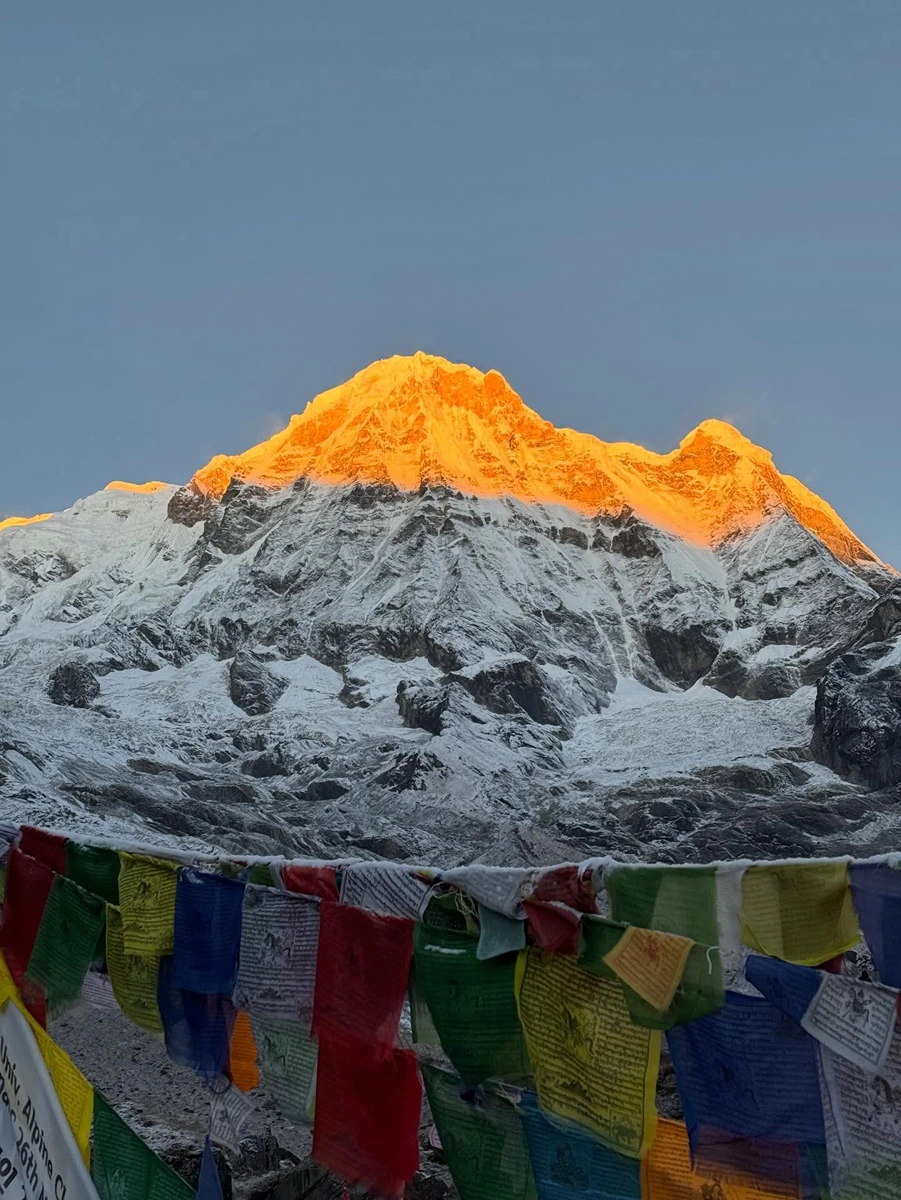
Annapurna Base Camp Trek via Ghandruk
Nepal
9 Days / 8 Nights
Moderate to Difficult
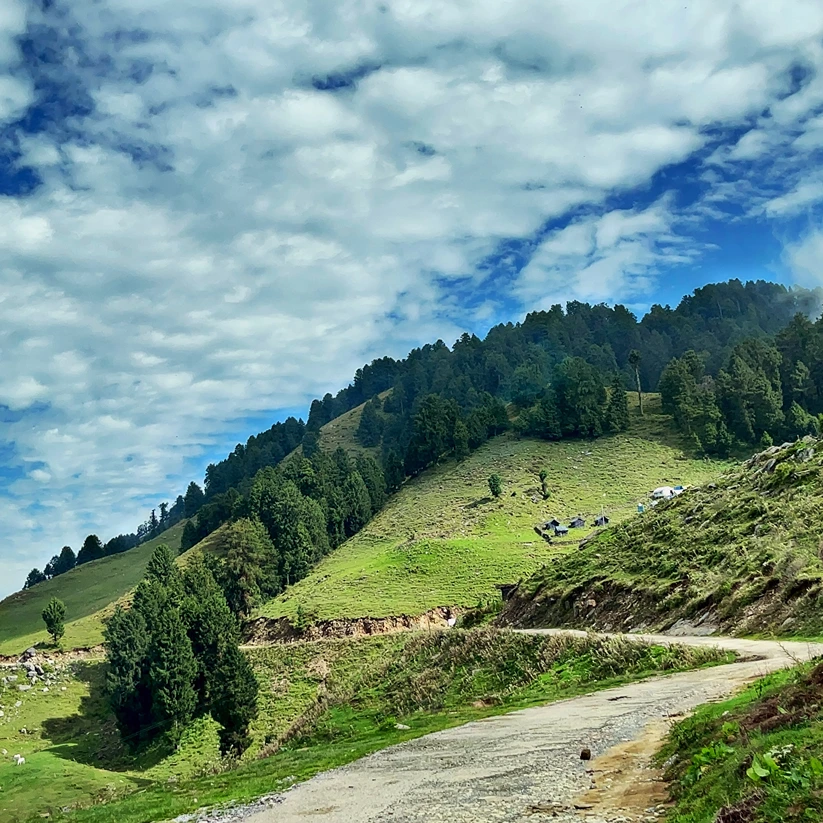
Prashar Lake Trek
Himachal Pradesh
2 Days / 1 Night
Easy to Moderate

Yulla Kanda Trek
Himachal Pradesh
4 Days / 3 Nights
Easy to Moderate
Miyar Valley Trek
Himachal Pradesh
7 Days / 6 Nights
Moderate

Sar Pass Trek
“The whole Sar Pass experience felt smooth from planning to the last day. The team stayed helpful, calm, and very clear throughout.”
AR
Ananya RawatSar Pass Trek

Hampta Pass Trek
“The itinerary pacing was excellent and the support on trail felt dependable. Every pre-departure question was answered quickly.”
VS
Vikas SharmaHampta Pass Trek
Valley of Flowers
“What stood out most was the communication. Pickup details, stay plans, and trek expectations were shared very clearly.”
NK
Nidhi KapoorValley of Flowers
Tarsar Marsar Trek
“As a solo traveller, I was worried about coordination. The team made the whole journey feel smooth, safe, and well paced.”
PS
Priya SethiTarsar Marsar Trek
Pin Parvati Trek
“The planning support was excellent and the trek crew handled everything with confidence. It felt organized without losing the adventure feel.”
RG
Rohan GuptaPin Parvati Trek
Har Ki Dun Trek
“Every update came on time and the trip flow felt very easy to follow. Great communication before the trek and great energy on ground too.”
DM
Dev MalhotraHar Ki Dun Trek
Kedarkantha Trek
“This was our second trek with BookMyHikes and the consistency really stood out. Good support, clear expectations, and a super comfortable group experience.”
SK
Sana KhannaKedarkantha Trek
Brahmatal Trek
“As first-timers, we always felt looked after. The route briefing, camp support, and overall coordination made the trek feel very approachable.”
MT
Mehul TandonBrahmatal Trek
Credentials
Verified certifications for trusted mountain operations.
Registered for safer departures.