Easy to Moderate
Yulla Kanda Trek
Discover the hidden beauty of Yulla Kanda, where lush alpine meadows, breathtaking Himalayan landscapes and a sacred high-altitude lake create an unforgettable trekking experience in Kinnaur.

Days
4 Days / 3 Nights
BASE CAMP
Yulla Khas Village, Kinnaur
COUNTRY
India
GRADE
Easy to Moderate
LOCATION
Kinnaur, Himachal Pradesh
RAIL HEAD
Shimla Railway Station
FOOD
Vegetarian Meals During Trek
AIRPORT
Shimla Airport (Jubbarhatti)
ADVENTURE TYPE
High-Altitude Alpine Lake Trek
SEASON
Summer & Autumn
ALTITUDE
12,779 Ft. (3,895 m approx.)
DISTANCE
Approx. 24 Km
MONTH
May–June & September–October
STAY
Alpine Tents / Hotel
TRAIL TYPE
Forest Trails, Alpine Meadows, Rocky Paths & Mountain Lake
The Yulla Kanda Trek is a beautiful high-altitude lake trek in the Kinnaur district of Himachal Pradesh, offering an extraordinary combination of Himalayan landscapes, alpine meadows, traditional mountain culture and spiritual significance. The trek leads to the sacred Yulla Kanda Lake, famous for its distinctive Lord Krishna temple situated within the lake.
Surrounded by magnificent mountain ridges and peaceful alpine grasslands, Yulla Kanda is an appealing destination for trekkers who want to explore a lesser-known part of Himachal Pradesh. Unlike the more frequently visited trekking destinations around Manali and Dharamshala, this route offers an opportunity to experience the quieter mountains of Kinnaur.
The Yulla Kanda Trek altitude is approximately 3,895 metres (12,779 feet), making it a rewarding high-altitude adventure for physically fit travellers with suitable preparation. The journey involves walking through mountain forests, grassy slopes and rocky pathways before reaching the sacred lake.
The planned Yulla Kanda Trek itinerary covers 4 Days / 3 Nights, with pickup and drop-off from Shimla. The trekking route begins near Yulla Khas Village, and the advertised walking distance is approximately 24 km, depending on the selected trail and campsite locations.
Whether you are interested in Himalayan trekking, mountain photography, sacred destinations or exploring the cultural heritage of Kinnaur, the Yulla Kanda Trek offers a memorable experience.
Where Is Yulla Kanda Trek Located?
The Yulla Kanda Trek is located in Kinnaur, Himachal Pradesh, a mountainous district known for its deep valleys, traditional villages, apple orchards and remarkable Himalayan scenery.
The region lies along the Sutlej River corridor, where steep mountain slopes rise above narrow valleys and remote settlements.
The trek begins near Yulla Khas Village, which serves as the principal access point for the trail towards Yulla Kanda Lake.
From the village, the route ascends through mountain vegetation and gradually enters open alpine landscapes.
As trekkers gain elevation, the surrounding scenery becomes increasingly dramatic, with wide views of the Kinnaur mountains and the valleys below.
The remote location adds to the appeal of the trek, particularly for travellers searching for offbeat trekking destinations in Himachal Pradesh.
Yulla Kanda Lake – The Main Attraction of the Trek
The highlight of the Yulla Kanda Lake Trek is the sacred mountain lake situated among the high-altitude meadows of Kinnaur.
The lake is surrounded by green slopes, rocky ridges and imposing Himalayan mountains, creating a peaceful natural setting.
Its most distinctive feature is a small temple dedicated to Lord Krishna, located on an island-like structure within the lake.
The temple and lake hold religious importance for local communities, making Yulla Kanda both a trekking destination and a place of worship.
During favourable weather, the lake reflects the surrounding mountains and sky, creating beautiful opportunities for landscape photography.
The appearance of the lake changes throughout the trekking season. During warmer months, the surrounding meadows may be green and dotted with seasonal wildflowers. As autumn approaches, the vegetation begins to change and temperatures become colder.
Visitors should respect the sacred character of the site, avoid littering and follow local instructions concerning access to the lake and temple.
Krishna Temple at Yulla Kanda – A Unique Himalayan Pilgrimage Site
One of the most fascinating aspects of the Yulla Kanda Trek in Kinnaur is the presence of a Krishna temple within a high-altitude lake.
The temple is associated with local religious traditions and attracts devotees as well as travellers interested in the spiritual heritage of Himachal Pradesh.
Its setting is unusual: a small sacred structure surrounded by lake water, with open alpine meadows and mountains forming the backdrop.
The journey to the lake is therefore more than a conventional mountain hike.
For many visitors, reaching Yulla Kanda represents an opportunity to experience the relationship between local faith, Himalayan geography and traditional village culture.
The lake's spiritual importance should be respected by all visitors. Swimming, disturbing religious structures and leaving waste near the water should be avoided.
Access to the temple itself may vary depending on water levels, weather and local arrangements.
Yulla Kanda Trek Route – From Yulla Khas Village to the Lake
The Yulla Kanda Trek route generally begins near Yulla Khas Village in the Kinnaur region.
The journey starts with a road transfer from Shimla through the scenic mountain landscapes of Himachal Pradesh.
After reaching the designated base village, trekkers prepare for the ascent towards the higher alpine slopes.
The initial trail passes through traditional village surroundings and forested mountain paths.
As the route climbs, the vegetation gradually changes, revealing open grasslands and mountain viewpoints.
The trail may include steep uphill sections, rocky pathways and occasional stream crossings, depending on seasonal conditions.
At higher elevations, the landscape opens into beautiful alpine meadows surrounded by rugged mountain ridges.
The final approach leads towards Yulla Kanda Lake, where the sacred Krishna temple forms the central attraction.
After visiting the lake, trekkers return towards the designated campsite or base village according to the planned itinerary.
The exact route and daily distances should be confirmed before departure, as they can vary with trailhead access and campsite arrangements.
Yulla Kanda Trek Altitude – Reaching 12,779 Feet
The Yulla Kanda Trek altitude reaches approximately 12,779 feet (3,895 metres) above sea level, according to the reference itinerary.
At this elevation, trekkers experience lower oxygen availability, colder temperatures and more demanding mountain conditions than in the valleys below.
The climb towards the lake involves significant elevation gain, making steady pacing important.
Although the trek is commonly classified as easy to moderate, the altitude can present challenges for participants who are not accustomed to mountain environments.
Symptoms of altitude sickness may include headache, nausea, dizziness and unusual fatigue.
Trekkers should follow a suitable acclimatisation schedule and avoid ascending further if symptoms worsen.
The high-altitude setting is also responsible for the remarkable alpine scenery that makes Yulla Kanda such an attractive trekking destination.

TAX BENEFIT
5% GST (goods and services tax)
SERVICES
Shimla to Shimla
MEETING POINT
Old Bus Stand, Shimla (Pickup Point)
REPORTING TIME
6:00 AM (Tentative – subject to departure confirmation).
DROP TIME
Day 4 at Shimla, after completing the return journey from Kinnaur. Arrival time depends on road, weather and traffic conditions.
IMPORTANT
The Yulla Kanda Trek is an easy-to-moderate Himalayan trek reaching approximately 12,779 ft. Good physical fitness and appropriate acclimatisation are recommended. Carry valid ID, warm clothing, waterproof gear and suitable trekking shoes. The trek involves uphill trails, rocky terrain and changing mountain weather. Access to the sacred Yulla Kanda Lake and camping locations is subject to local permissions and conditions.

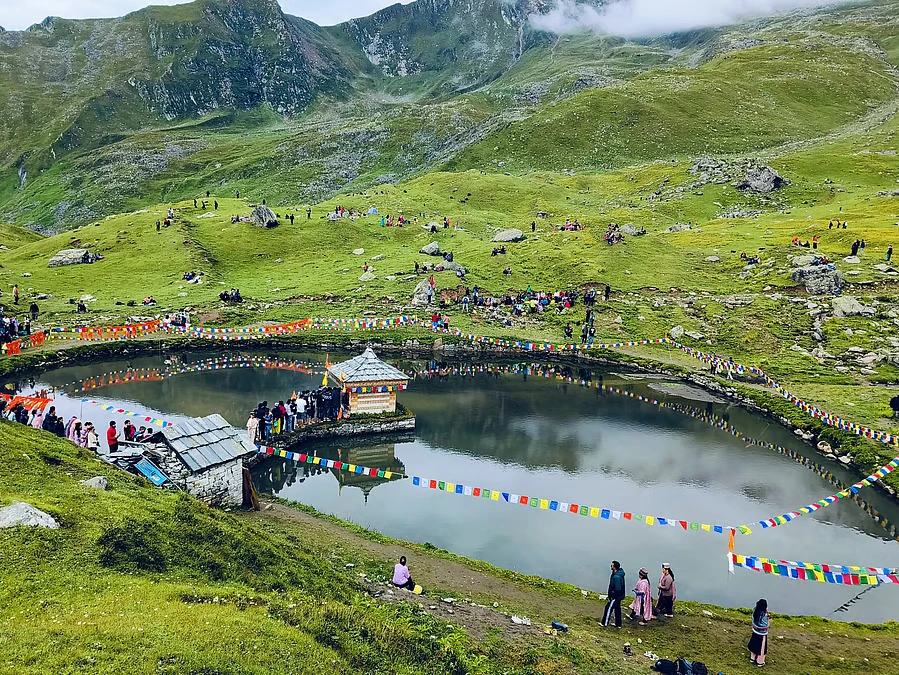
The World’s Highest Shri Krishna Temple
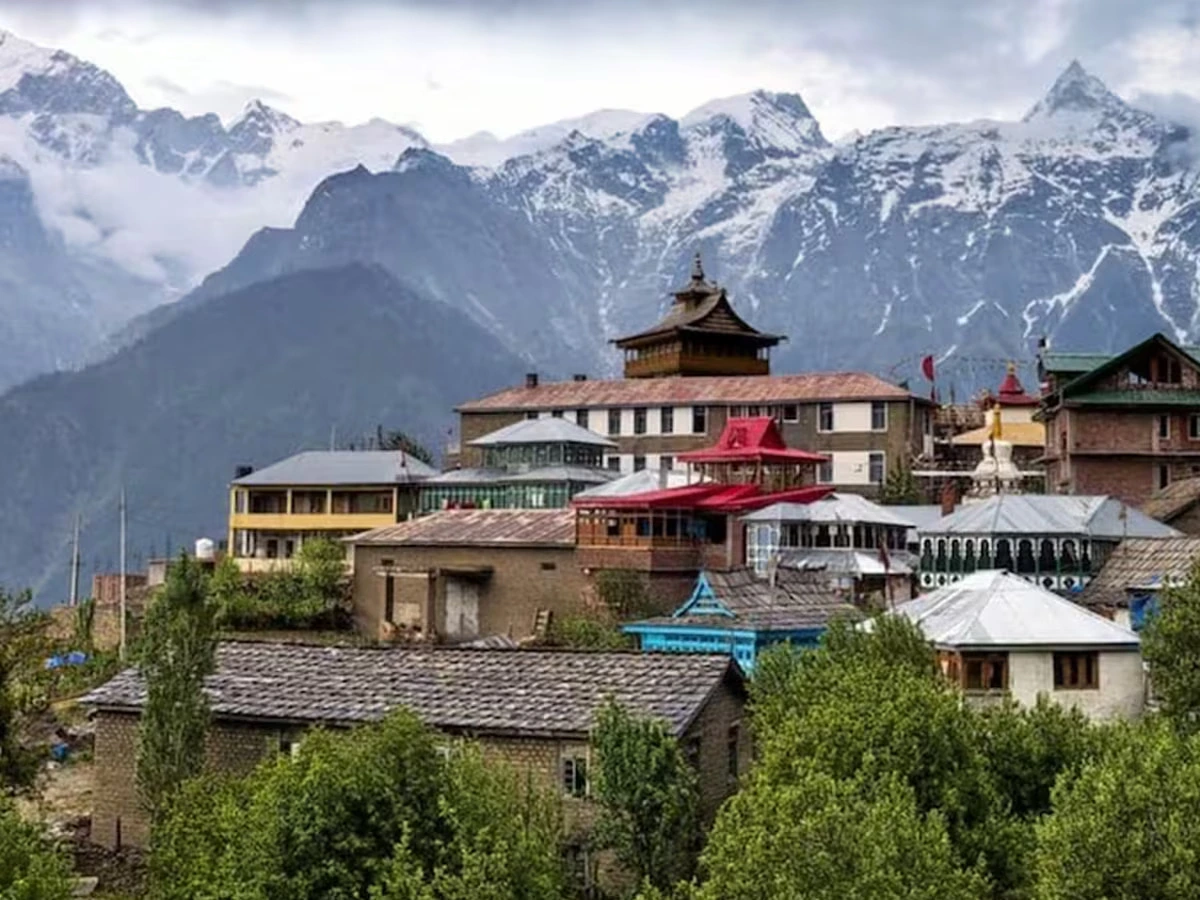
Yulla Khas Village

Kinner Kailash (Kinnaur Kailash) Range Views
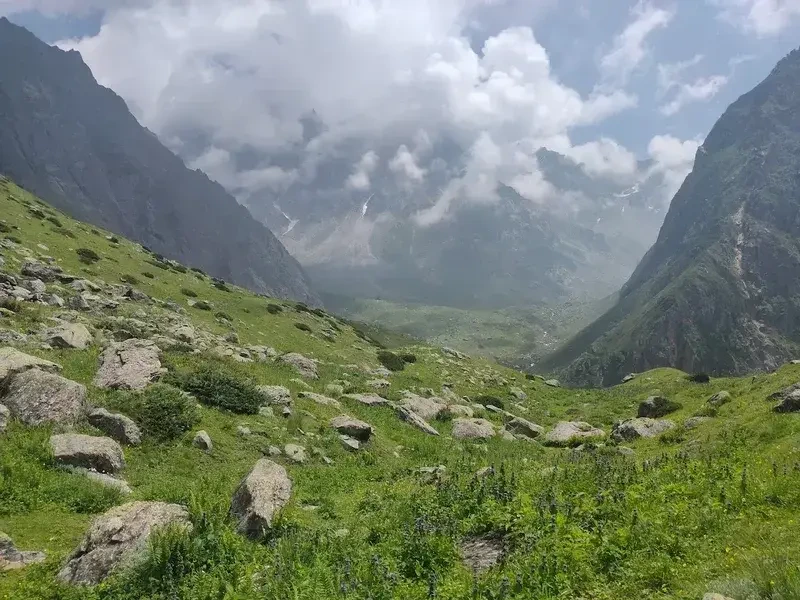
High-Altitude Alpine Meadows
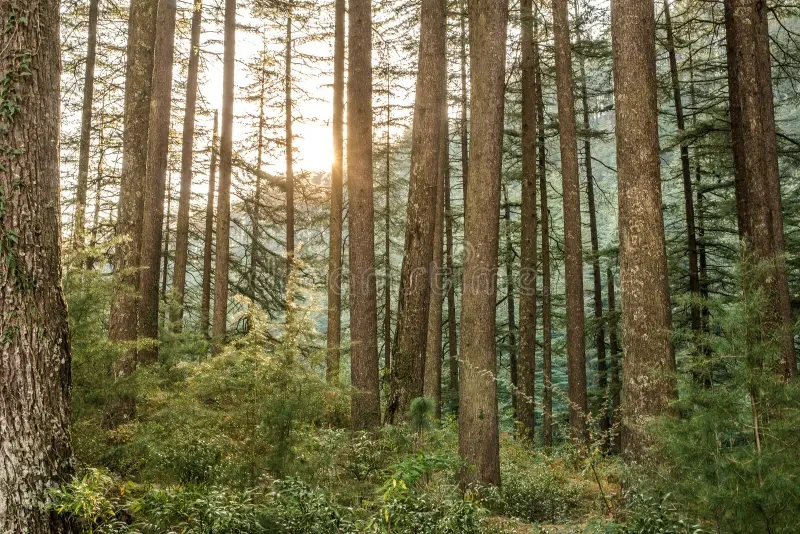
Dense Pine, Deodar, and Oak Forests

Rora Valley
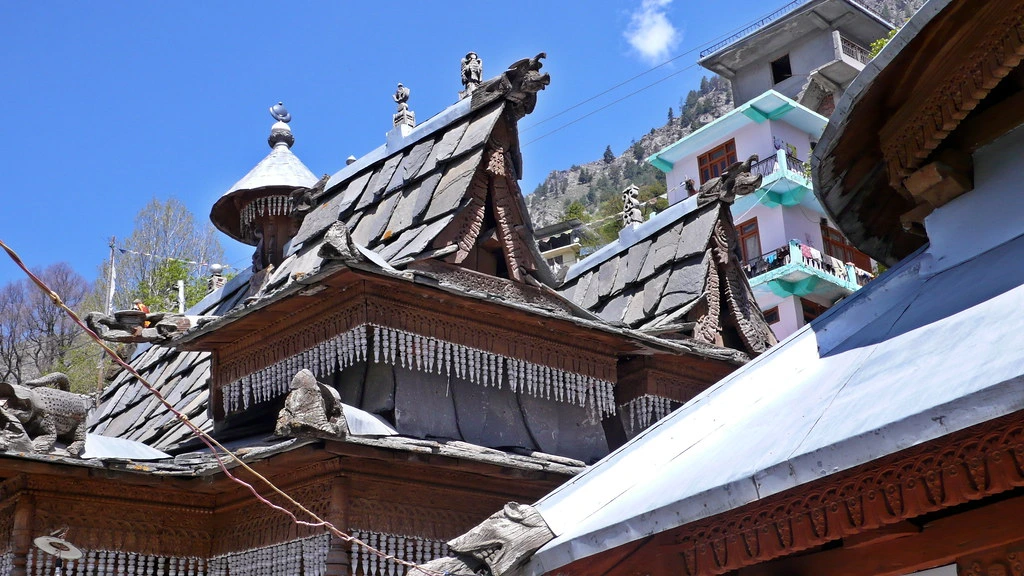
Kalpa and Roghi Village

Kashang Valley

01
DAY
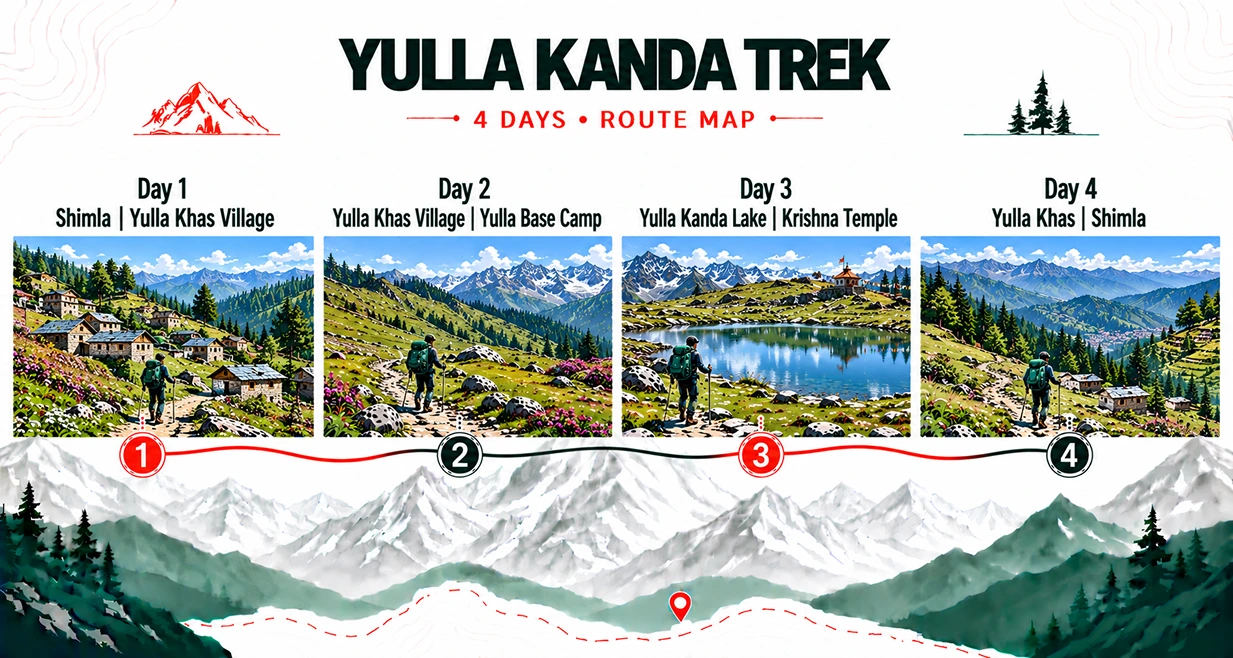
Drive from Shimla to Yulla Khas Village via Tapri
- Begin your Yulla Kanda adventure with an early morning pickup from the designated meeting point in Shimla.
- Travel along the historic Hindustan–Tibet Road (NH-5), following the dramatic mountain landscape of the Sutlej Valley.
- Pass through picturesque mountain settlements such as Narkanda, Rampur and Jeori as the road winds towards Kinnaur.
- Enjoy beautiful views of steep valleys, terraced hillsides, mountain villages and the flowing Sutlej River.
- Continue towards Tapri, from where the journey turns towards the Yulla Khas region.
- The final approach introduces you to the quieter rural landscapes of Kinnaur, with traditional homes and seasonal orchards.
- Arrive at Yulla Khas Village and check into your homestay or guesthouse.
- Meet the trekking team and receive a briefing covering the upcoming route, mountain safety and essential trekking instructions.
- Spend the evening exploring the village surroundings at a relaxed pace, allowing your body time to adjust to the increased elevation.
- Enjoy dinner and rest overnight in preparation for the following day's ascent.
02
DAY
Trek from Yulla Khas Village to Yulla Base Camp
- Wake up to the peaceful mountain atmosphere of Yulla Khas and enjoy breakfast before beginning the trek.
- Complete a final equipment check and carry the essentials required for the day's uphill journey.
- Start ascending from the village along mountain paths that gradually lead into forested terrain.
- Walk through sections of woodland and enjoy changing views of the surrounding Kinnaur hills.
- As the trail gains elevation, the vegetation gradually becomes thinner and the landscape begins to open.
- Continue through grassy mountain slopes and seasonal alpine meadows, taking short breaks to maintain a comfortable walking pace.
- Enjoy panoramic views of the surrounding ridgelines and mountain valleys during suitable weather.
- Stop at a convenient location for a packed lunch and sufficient hydration.
- The higher sections may involve steeper gradients and uneven ground, making careful footing important.
- Reach the designated Yulla Base Camp area, situated at approximately 3,350 metres according to the planned route.
- Settle into the alpine campsite and enjoy the peaceful mountain environment.
- Have dinner at camp and rest early, as the following day involves the ascent to Yulla Kanda Lake and a long descent back to the village.
03
DAY
Trek to Yulla Kanda Lake and Krishna Temple | Descend to Yulla Khas
- Begin the day early with breakfast and preparations for the most significant section of the Yulla Kanda Trek.
- Leave the base camp and follow the ascending mountain trail towards the sacred Yulla Kanda Lake.
- The final approach is comparatively steep, with rocky terrain and exposed alpine slopes requiring steady, careful movement.
- As you climb higher, enjoy expansive views of the surrounding Kinnaur mountains and high-altitude grasslands.
- Continue towards the lake basin, where the sacred waterbody appears against the dramatic Himalayan backdrop.
- Reach Yulla Kanda Lake, situated at approximately 3,895 metres above sea level.
- Observe the distinctive Lord Krishna Temple situated within the lake, an important religious landmark associated with local traditions.
- Spend time appreciating the natural beauty and spiritual significance of the location, while respecting local customs and any access restrictions.
- Capture photographs of the surrounding mountains, alpine landscape and lake from permitted viewpoints.
- Begin the descent towards the base camp after the lake visit, allowing adequate time for the long return journey.
- Stop for lunch according to the group's progress and the arrangements made by the trekking team.
- Continue descending through alpine meadows, mountain slopes and forested sections towards Yulla Khas.
- Take care on loose stones and steep downhill stretches, especially when the trail is wet.
- Arrive at Yulla Khas Village and check into the homestay for a well-earned rest.
- Enjoy dinner and spend the night in the village after completing the principal trekking section.
04
DAY
Drive from Yulla Khas to Shimla via Tapri | Departure
- Wake up in Yulla Khas Village and enjoy your final breakfast in the peaceful surroundings of Kinnaur.
- Pack your belongings and prepare for the return journey to Shimla.
- Bid farewell to the homestay hosts and local trekking team.
- Board the designated vehicle and descend towards Tapri to reconnect with the main mountain highway.
- Continue along the Sutlej Valley, enjoying another opportunity to admire Kinnaur's dramatic mountains and traditional settlements.
- Travel through the mountain road corridor towards Rampur, Narkanda and Shimla.
- Stop for refreshments, lunch or photographs when road conditions and the travel schedule permit.
- Arrive in Shimla, where the trek concludes at the designated drop-off point.
- Plan onward travel with sufficient flexibility, as mountain road conditions can affect arrival times.

One of the most common questions before any Himalayan trek is simple: what should you pack? A smart packing list keeps you comfortable on the trail without making your backpack unnecessarily heavy.
The easiest way to pack is to go step by step, either from head to toe or toe to head. That simple pattern helps you stay organized and lowers the chance of forgetting essentials.
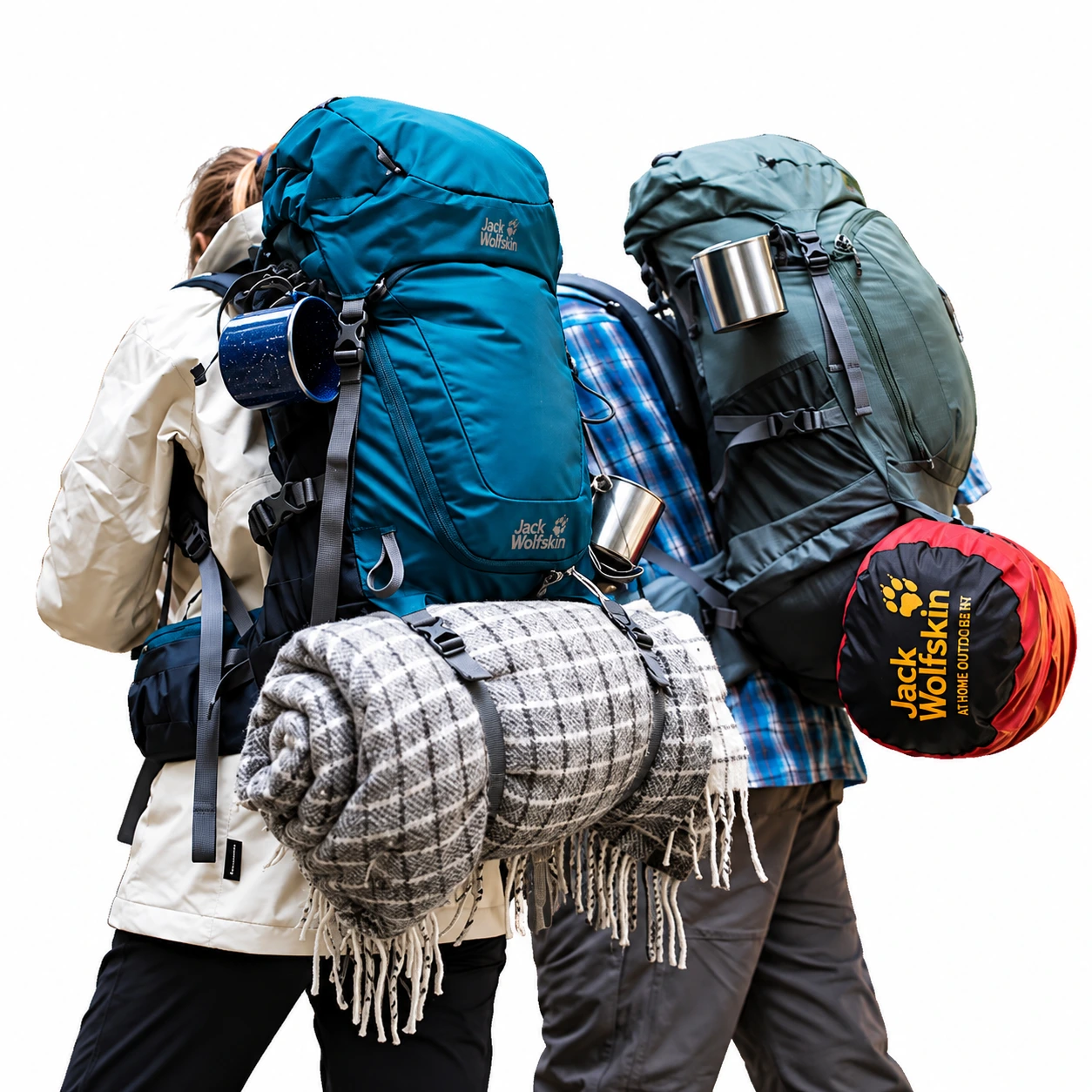
01 Backpacks
Choose a backpack that feels comfortable on your shoulders and hips. For a week-long trek, a 60 to 70 liter backpack is usually enough for your clothing, gear, and personal essentials.
- Main backpack: Good hip support, shoulder support, and easy-access pockets.
- Daypack: Useful for short hikes, sightseeing, and carrying daily essentials when the main bag is not needed.
02 Footwear
- Trekking shoes: Prefer waterproof shoes with high-ankle support.
- Walking or hiking sandals: Great for camp use, resting your feet, or stream crossings.
- Sneakers: Optional, but useful for travel days or relaxed time around camp.
- Socks: Carry 3 to 5 pairs that are warm, comfortable, and quick-drying.

03 Clothing Layers
- Jacket: A good quality hiking or trekking jacket for layering.
- Pants: Lightweight, quick-drying trekking pants, plus a warm lower layer for colder nights.
- T-shirts and base layers: Carry 3 to 4 warm, comfortable tees along with a long-sleeve layer.
- Thermals and leggings: Two pairs of thermals and warm leggings are ideal for cold mornings and evenings.
- Undergarments: Pack according to your personal requirement.
- Buff or balaclava: Essential for protecting your neck and throat from wind and cold.
- Beanie cap and hiking hat: A beanie helps in cold weather, while a sun hat protects you during the day.
- Gloves: One warm pair is usually enough.

04 Rain Protection
- Raincoat and rain pants: Helpful in changing mountain weather.
- Rain poncho: A practical option during longer spells of rain.
- Rain covers: Carry waterproof covers for both your backpack and daypack, especially for gadgets.

05 Gadgets and Useful Extras
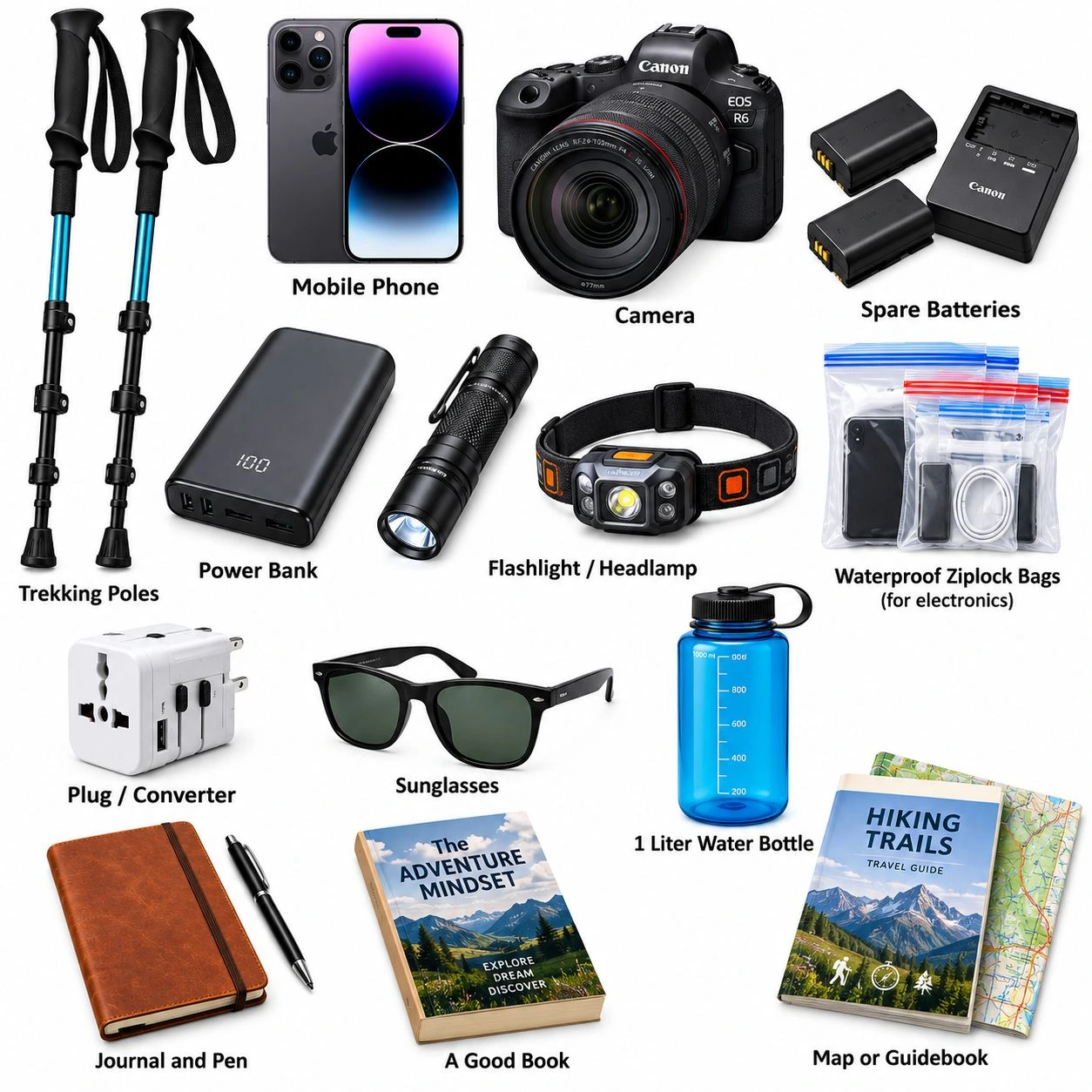
- Trekking poles, mobile phone, camera, and spare batteries.
- Power bank, lightweight flashlight or headlamp, and waterproof ziplock bags for electronics.
- Plug or converter, sunglasses, and a 1 liter water bottle.
- A journal and pen, a good book, and a map or guidebook if you enjoy documenting the journey
06 Hygiene and Toiletries
- Sunscreen with UV protection and lip balm or salve.
- Quick-drying towels, toilet paper, tissues, or wet wipes.
- Toothbrush, toothpaste, mouth freshener, shampoo, deodorant, and talcum powder.
- Biodegradable soap, nail clipper, and any personal daily-use items.
- Sanitary pads or tampons if needed.

07 First Aid and Energy
Carry a personal first-aid kit with the basics you may commonly need on an adventure trip, and always consult your doctor before taking any medicine.
- Antiseptic wipes or water syringe, butterfly bandages, sterile gauze pads, and elastic bandages.
- Latex gloves, medicines for upset stomach, cold, flu, fever, headache, and basic pain relief.
- ORS sachets, pain relief spray, bug repellent, and any prescription medicines you already use.
- Medicine for high altitude concerns such as Diamox or a similar alternative, only after medical advice.
- Carry some energy bars and non-alcoholic energy drinks for quick support on the trail.

Important note: Check what gear can be rented or purchased through BookMyHikes and what you should bring from home. Keeping your backpack light makes the trek more comfortable and enjoyable.

Inclusions
- Meals:All veg meals from Day 1st Dinner to Day 3th Lunch.
- Accommodation:1 Night Hotel Accommodation in Shimla on Triple sharing basis
- Accommodation:2 Nights Tented Accommodation on a Double sharing basis.
- Camping logistics:(Tent, Utensils, Sleeping bags, Mattress, Dining tent, Toilet tent and Sitting Stools).
- Trekking Equipment:( Micro Spikes, Gaiters, Seat Harness , Carabineers , Pulley ,Ice Axe , Rope and other technical gears used for Climbing).
- Safety Equipment:Basic First Aid Kit with Oximeter, Blood Pressure Monitor, Oxygen Cylinder and Stretcher.
- Trek Leader:Mountaineering Qualified and Experienced Trek Leader and Support Staff.
- Snacks:Morning / Evening Tea / Coffee with light snacks.
- Camping logistics:Mules and Porters for carrying central luggage.
- Permits:All necessary fees and permits (for Indians).
- Transportation:Surface transfer from Shimla – Shimla .
- Guide ratio:Trek Leader / Guide ratio (Depends on the group size)
- Safety Equipment:Adventure Travel Insurance
Exclusions
- Any expenses of personal nature.
- Meals during transit and during the stay in Manali
- Insurance of any kind.
- Any fees and permits (for non-Indians).
- Unscheduled delay due to a landslide.
- Cost Escalation due to “Force Majeure and Evacuation charges”.
- Anything not mentioned explicitly in the above program.

Life is unpredictable and we understand sometimes you have to cancel or change your trip dates and it is our endeavour to make it as easy possible for you. However, please understand we plan everything including guide fees, permits, accommodation and ration in advance. Therefore, any cancellation means inconvenience and certain losses to the people involved in various stages of programme. Keeping that in mind, our cancellation charges are as below :
Cancellation Timeline
-
30 days before the event Best cancellation window with the lowest deduction.Deduction 15% Lowest cutReturn 85% Monetary Refund Into original payment mode
-
15-30 days before trek start Moderate cancellation window before core ground arrangements intensify.Deduction 50% Mid-stage cutReturn 50% Cash Voucher Valid for 12 months
-
Less than 15 days before trek start Late cancellation window after trek operations are mostly aligned.Deduction 100% Higher cutReturn No Refund
Voucher Rules
After applicable cancellation deductions, the remaining amount is refunded only in the form of a trek voucher. The voucher can be used for any trek, tour, or yatra booked with BookMyHikes.
The trek voucher is valid for 12 months from the date of issue.
The voucher must be used for the same number of persons for whom it was issued.
The voucher cannot be redeemed as a cash refund and cannot be extended beyond its expiry date.
To redeem a voucher, email BookMyHikes 15 to 20 days before the new trip date.
Where is the Yulla Kanda Trek located?
The Yulla Kanda Trek is located in the Kinnaur district of Himachal Pradesh, India. The trekking route begins near Yulla Khas Village and leads to the sacred Yulla Kanda Lake, surrounded by beautiful alpine meadows and Himalayan mountains. The trek is known for its peaceful landscape and the unique Lord Krishna Temple situated within the lake.
What is the total distance of the Yulla Kanda Trek?
The Yulla Kanda Trek distance is approximately 24 km, completed over two main trekking days. The planned itinerary includes around 10 km from Yulla Khas Village to the base camp and approximately 14 km for the lake visit and return to the village. Actual distances may vary depending on the trailhead and campsite.
How many days are required to complete the Yulla Kanda Trek?
The Yulla Kanda Trek itinerary takes 4 Days and 3 Nights, including transportation from Shimla. Day 1 involves travelling to Yulla Khas Village, Day 2 covers the ascent to base camp, Day 3 includes the visit to Yulla Kanda Lake and descent, and Day 4 concludes with the return drive to Shimla.
What is the maximum altitude of the Yulla Kanda Trek?
The Yulla Kanda Trek altitude reaches approximately 3,895 metres (12,779 feet) above sea level. This elevation makes the trek a high-altitude Himalayan adventure. Trekkers should be prepared for colder temperatures, reduced oxygen availability and changing mountain weather. Proper acclimatisation, hydration and a comfortable trekking pace are important throughout the journey.
What is the difficulty level of the Yulla Kanda Trek?
The Yulla Kanda Trek difficulty is generally classified as easy to moderate. However, the route includes sustained uphill walking, steep rocky sections and a significant altitude gain. The lake summit day also involves a long descent. Good physical fitness and some previous hiking experience are recommended, especially for travellers unfamiliar with high-altitude trekking.
Is the Yulla Kanda Trek suitable for beginners?
The Yulla Kanda Trek for beginners can be manageable for physically fit individuals who have prepared for uphill mountain walking. However, it should not be considered an effortless beginner trek because the route reaches nearly 3,900 metres. Beginners should train beforehand, follow the trek leader's instructions and ensure that the itinerary provides appropriate acclimatisation.
What is the best time to do the Yulla Kanda Trek?
The best time for Yulla Kanda Trek is generally during suitable weather windows in May–June and September–October. Early-season snow, monsoon rainfall and autumn snowfall can affect accessibility. June and September may offer attractive mountain scenery, but departure dates should always be confirmed against current trail conditions, road access and local guidance.
What is special about Yulla Kanda Lake?
Yulla Kanda Lake is a sacred high-altitude lake in Kinnaur, particularly famous for the small Lord Krishna Temple situated within its waters. The combination of religious significance, alpine meadows and Himalayan scenery makes it a distinctive trekking destination. The lake is important to local communities, and visitors are expected to respect its spiritual and environmental significance.
Is the Krishna Temple at Yulla Kanda Lake accessible to visitors?
Visitors can generally trek to the Yulla Kanda Lake area during suitable seasonal conditions. However, access to the Krishna Temple structure itself may depend on water levels, local customs and any restrictions imposed by local authorities or the community. Trekkers should follow their local guide's instructions and avoid entering restricted areas or disturbing religious structures.
How can I reach the starting point of the Yulla Kanda Trek?
The Book My Hikes Yulla Kanda Trek package is planned with pickup from Shimla, Himachal Pradesh. From Shimla, participants travel approximately 200 km by road towards Yulla Khas Village via Tapri in Kinnaur. The drive is estimated at 7–8 hours, although mountain road conditions can increase travel time. The trekking section begins near Yulla Khas.
What accommodation is provided during the Yulla Kanda Trek?
The planned Yulla Kanda Trek itinerary includes traditional homestay or guesthouse accommodation at Yulla Khas Village and alpine tent accommodation at the designated base camp. The three-night arrangement generally consists of two village stays and one camping night. Exact room sharing, campsite facilities and accommodation arrangements depend on the confirmed package and local availability.
What meals are included in the Yulla Kanda Trek package?
According to the proposed itinerary, dinner is included on Day 1; breakfast, packed lunch and dinner on Day 2; breakfast, lunch and dinner on Day 3; and breakfast on Day 4. Meals are generally vegetarian during the trekking section. Travellers should review the final Yulla Kanda Trek package inclusions before booking to confirm meal arrangements.
What should I pack for the Yulla Kanda Trek?
Essential items for the Yulla Kanda Trek include sturdy trekking shoes, warm thermal layers, a waterproof jacket, gloves, a woollen cap, sunglasses, sunscreen, a reusable water bottle and a personal medical kit. A small daypack and trekking poles are also useful. Since the route reaches nearly 3,900 metres, suitable protection against cold and changing weather is essential.
Is camping allowed near Yulla Kanda Lake?
Camping arrangements around Yulla Kanda Lake depend on local regulations, environmental considerations and permissions. The planned itinerary uses a designated base camp below the lake rather than promising an overnight stay directly beside the sacred waterbody. Trekkers should follow local camping rules, avoid damaging alpine vegetation and ensure that all waste is carried out responsibly.
How can I book the Yulla Kanda Trek with Book My Hikes?
You can enquire about the Yulla Kanda Trek package through Book My Hikes to check available departure dates, pricing, transportation arrangements and accommodation details. Before confirming your booking, review the complete 4 Days / 3 Nights itinerary, package inclusions, cancellation policy and fitness requirements. Trek departures remain subject to weather, road accessibility and local conditions.


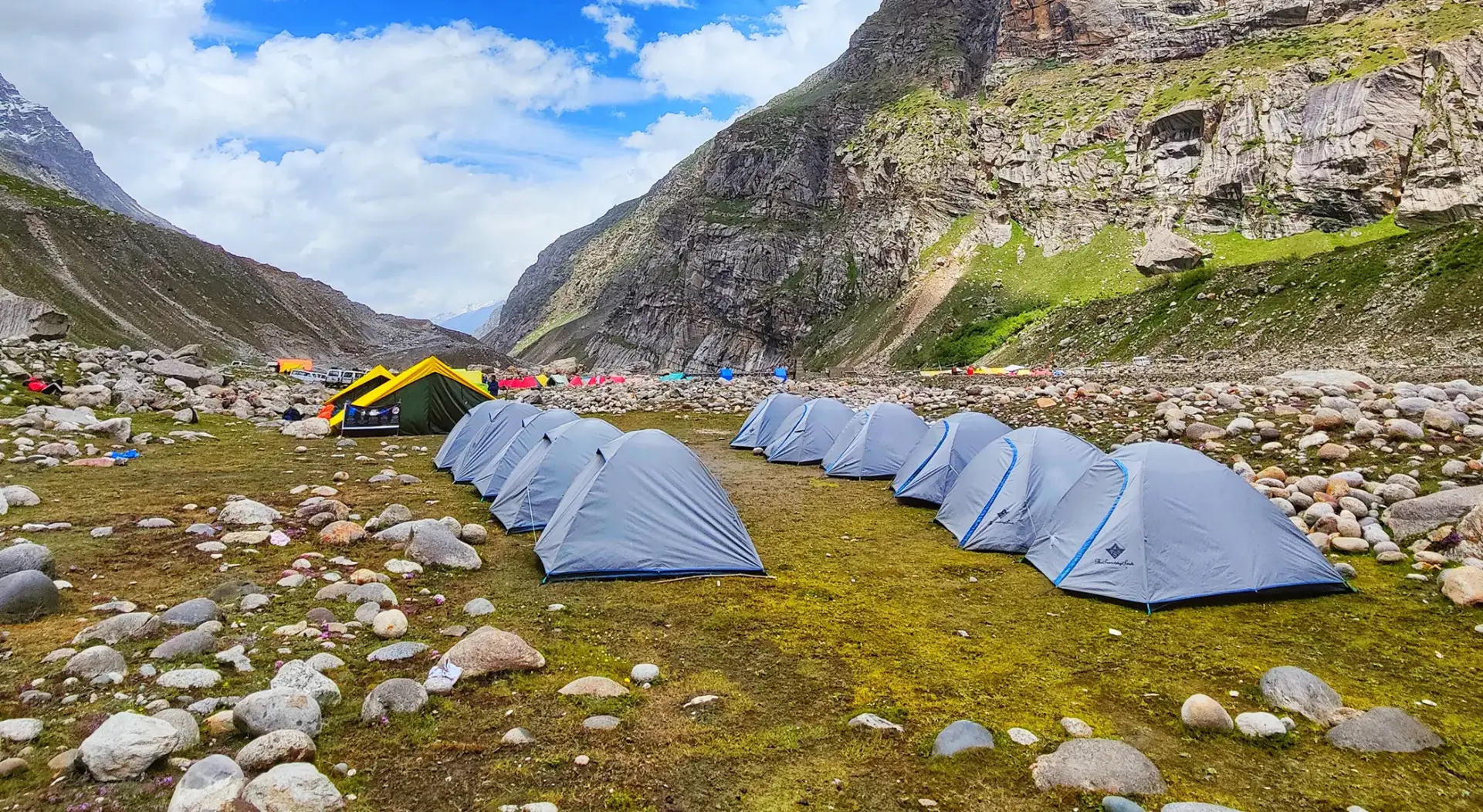
Grahan Trek
Himachal Pradesh
3 Days / 2 Nights
Easy to Moderate
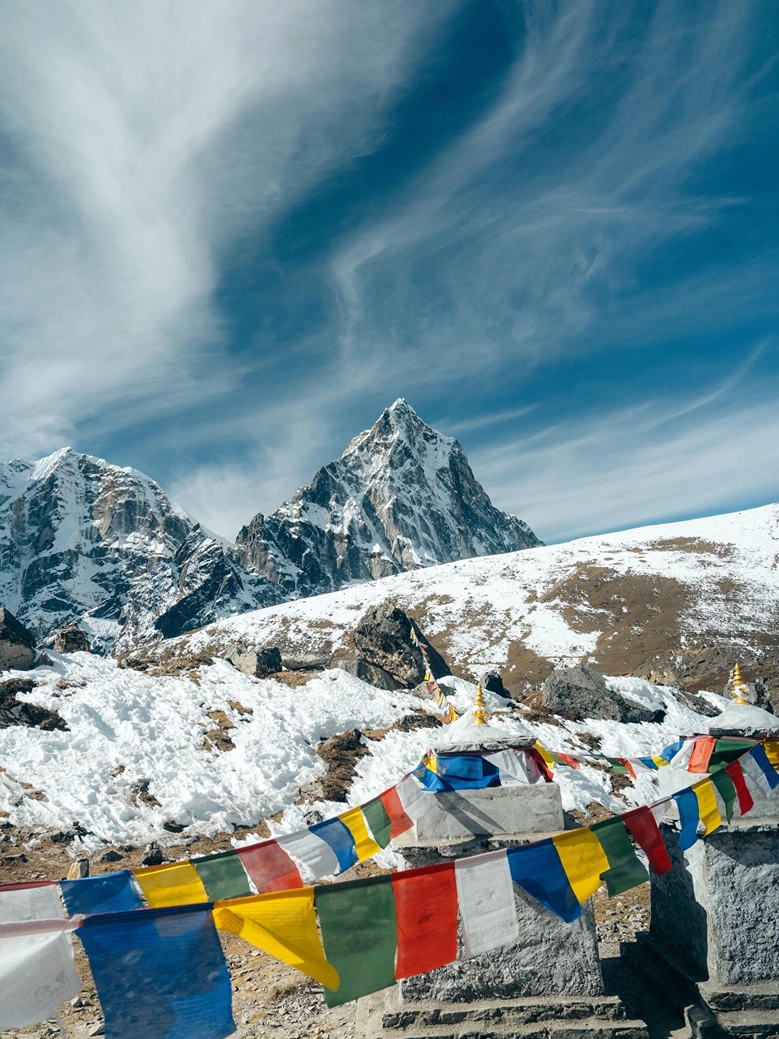
Everest Base Camp Trek
Nepal
15 Days / 14 Nights
Challenging
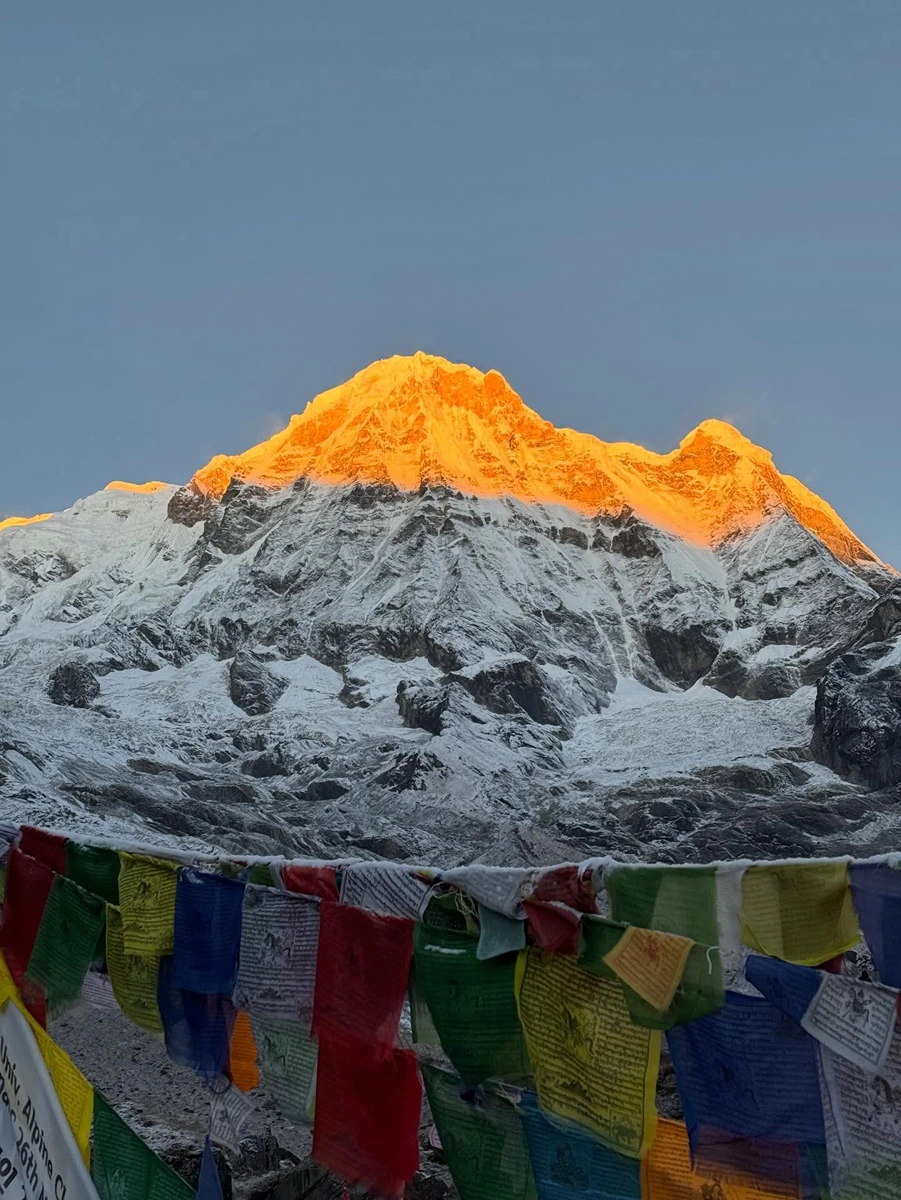
Annapurna Base Camp Trek via Ghandruk
Nepal
9 Days / 8 Nights
Moderate to Difficult
Prashar Lake Trek
Himachal Pradesh
2 Days / 1 Night
Easy to Moderate

Beas Kund Trek
Himachal Pradesh
4 Days / 3 Nights
Easy to Moderate
Miyar Valley Trek
Himachal Pradesh
7 Days / 6 Nights
Moderate

Sar Pass Trek
“The whole Sar Pass experience felt smooth from planning to the last day. The team stayed helpful, calm, and very clear throughout.”
AR
Ananya RawatSar Pass Trek

Hampta Pass Trek
“The itinerary pacing was excellent and the support on trail felt dependable. Every pre-departure question was answered quickly.”
VS
Vikas SharmaHampta Pass Trek
Valley of Flowers
“What stood out most was the communication. Pickup details, stay plans, and trek expectations were shared very clearly.”
NK
Nidhi KapoorValley of Flowers
Tarsar Marsar Trek
“As a solo traveller, I was worried about coordination. The team made the whole journey feel smooth, safe, and well paced.”
PS
Priya SethiTarsar Marsar Trek
Pin Parvati Trek
“The planning support was excellent and the trek crew handled everything with confidence. It felt organized without losing the adventure feel.”
RG
Rohan GuptaPin Parvati Trek
Har Ki Dun Trek
“Every update came on time and the trip flow felt very easy to follow. Great communication before the trek and great energy on ground too.”
DM
Dev MalhotraHar Ki Dun Trek
Kedarkantha Trek
“This was our second trek with BookMyHikes and the consistency really stood out. Good support, clear expectations, and a super comfortable group experience.”
SK
Sana KhannaKedarkantha Trek
Brahmatal Trek
“As first-timers, we always felt looked after. The route briefing, camp support, and overall coordination made the trek feel very approachable.”
MT
Mehul TandonBrahmatal Trek
Credentials
Verified certifications for trusted mountain operations.
Registered for safer departures.