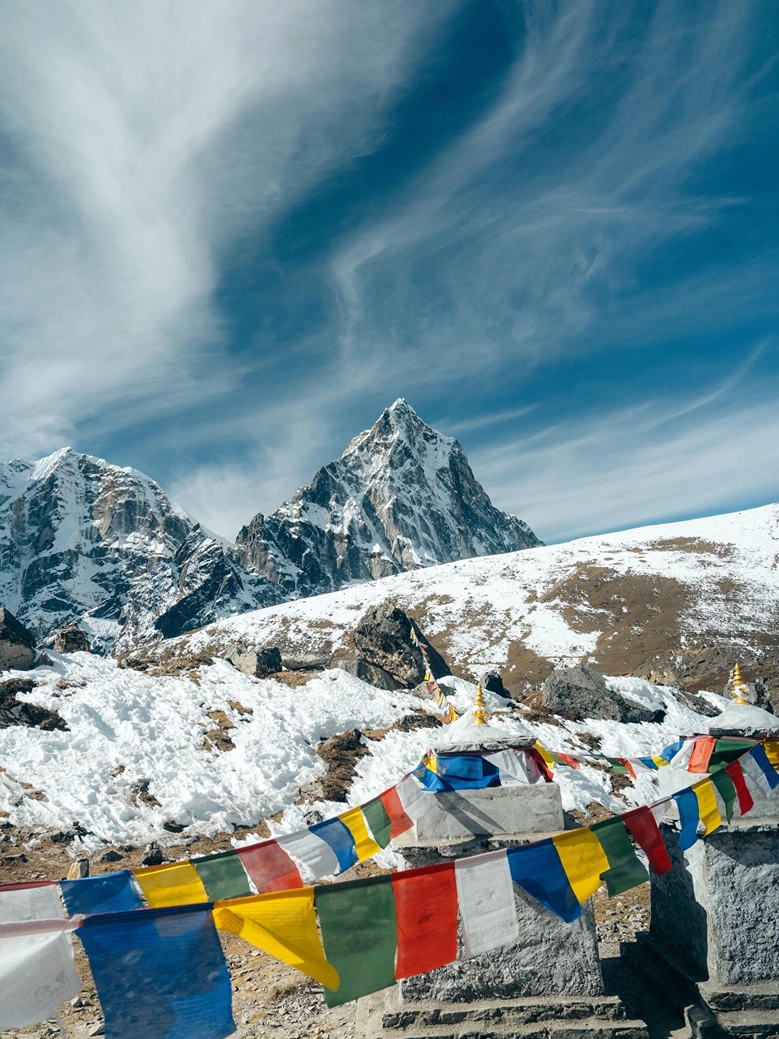
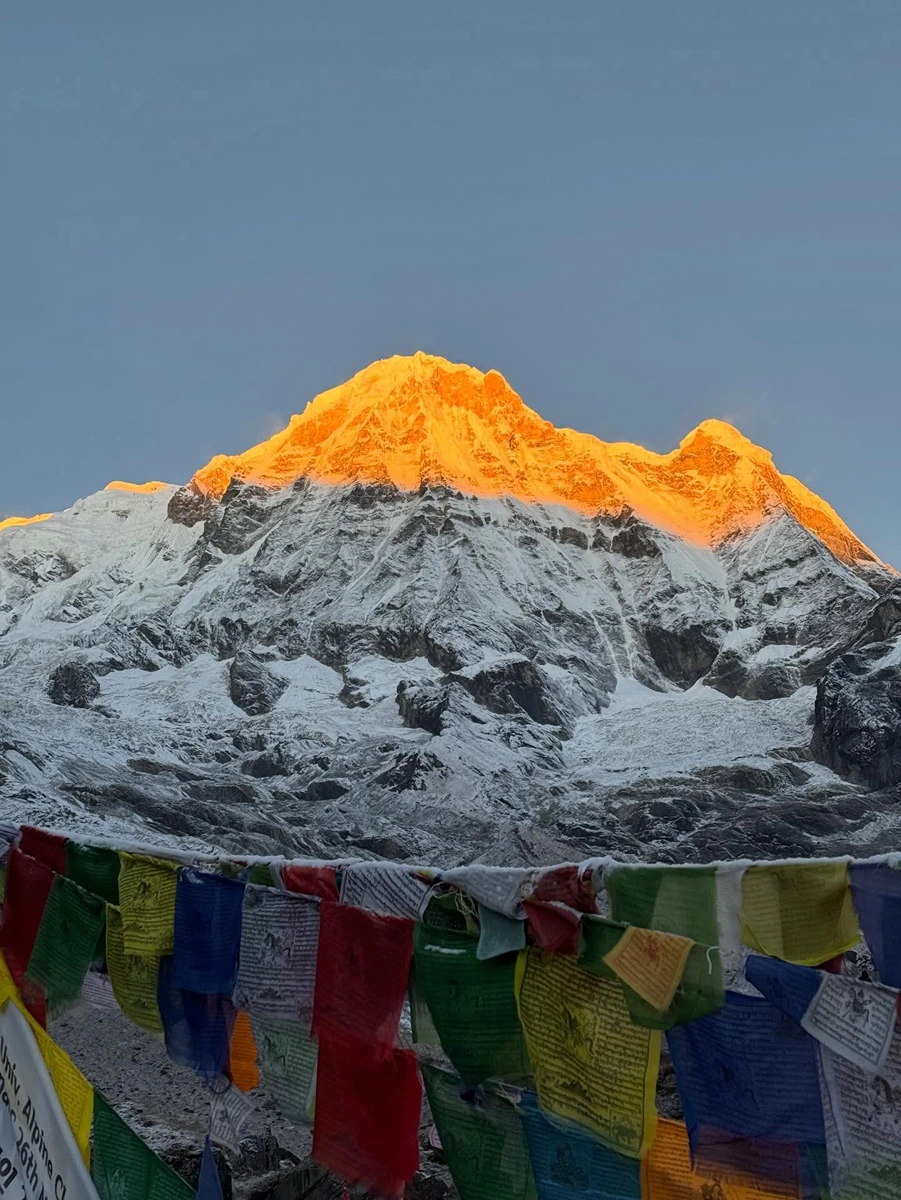
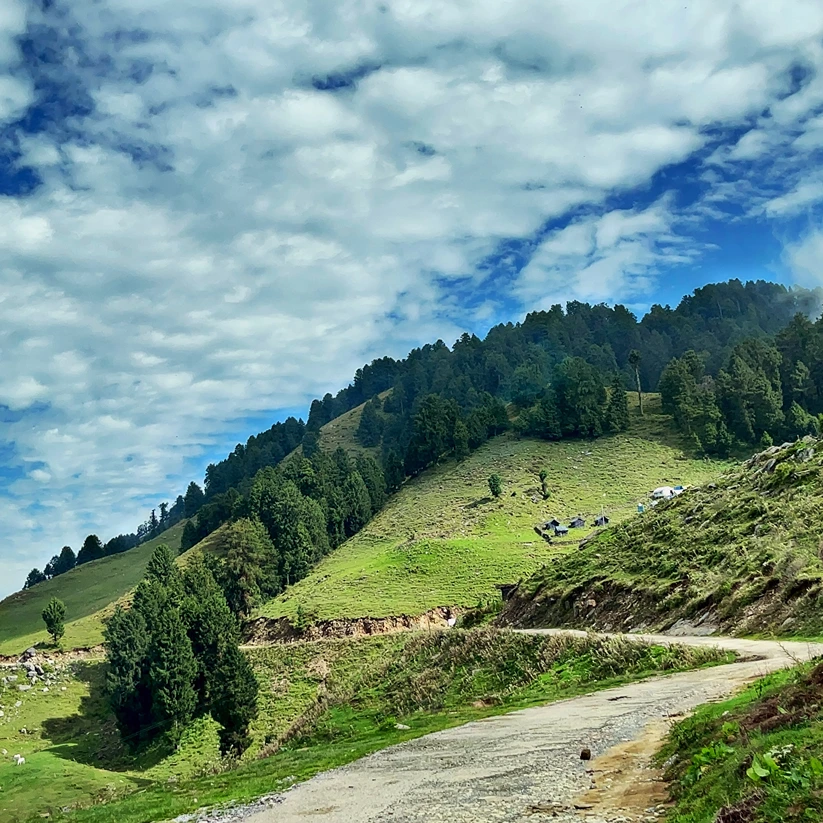
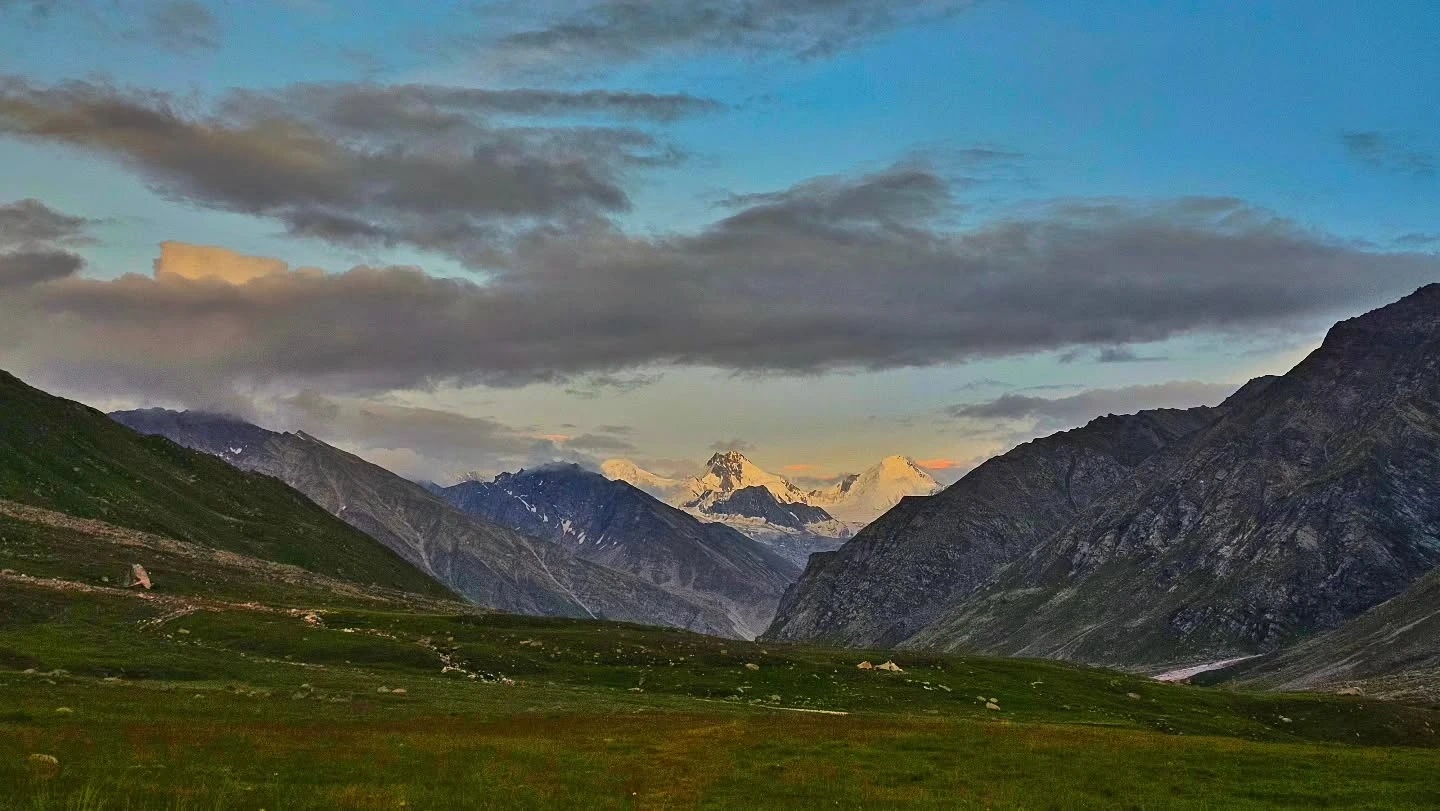
- Day 1 Morning: Arrive in the market area, eat a heavy breakfast, and start the trek early (around 9:00 AM) to ensure you have plenty of daylight for a relaxed pace.
- Preparation: Carry enough cash and inform your loved ones of your plans, as mobile network connectivity and ATMs are virtually non-existent once you leave the town.
- The Trailhead: The route to Grahan begins near the main bridge, steering you away from the crowds and onto a peaceful path alongside the Grahan Nallah stream.
- The Trek (Day 1): The hike takes 4 to 6 hours. It features a mostly gentle walk through dense pine and deodar forests, culminating in a steep 1.5 km zig-zag climb just before entering the village.
Grahan Trek
Discover the hidden beauty of Grahan Village on a peaceful 3-day Himalayan trek from Kasol, featuring lush forests, scenic waterfalls, traditional Himachali culture, and cozy mountain homestays.
We spend much of our time surrounded by towering skylines and concrete roads. It can be difficult to imagine a place untouched by the industrialization that so many cities have embraced as part of their constantly evolving culture.
Yet there’s a whole world beyond the city, and that awareness inspires us to seek out places that feel different and unique. We long for an escape that brings us peace and puts our minds at ease—even if it’s just a three-day weekend trip to Grahan.
If Himachal Pradesh were a treasure trove, Grahan would be its rare, precious gem—still hidden from many travelers. Just a five-kilometer hike from Kasol, one of Himachal’s most popular destinations, this quiet village makes you feel as though time has slowed down, inviting you to pause, breathe, and take in your surroundings.
If you’re searching for somewhere life moves at a gentler pace, away from the bustle and noise of the city, and where peace still feels possible, a trek to Grahan village is a must in Himachal.
Perched at an altitude of 7,700 feet, this tiny hamlet lies in Parvati Valley. Reaching it takes some effort, but the experience is well worth it. On this weekend getaway to Grahan, we begin in Kasol, as there’s no direct route to the village. Since Kasol is one of Himachal’s must-visit destinations, we’ll also give you a glimpse of local life and spend a night there.
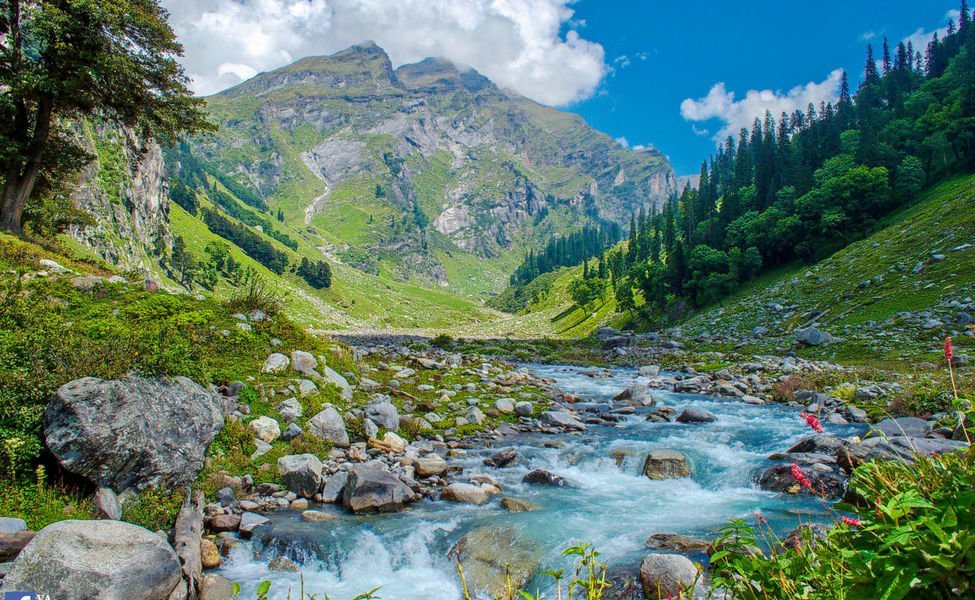
Afterward, we set off on the Grahan Trek. The route winds through lush deodar forests, over rickety wooden bridges, past flowing rivers and cascading waterfalls, and along a rugged, stone-covered trail. At the end of the journey, the remote village of Grahan comes into view.
A way of life long forgotten amid urbanization comes alive on the trek to Grahan. With no vehicles, internet access, or ATMs, visiting the village feels like stepping back in time.
If you think a place so sheltered from the outside world has little to offer, think again. There are plenty of things to do in Grahan, along with sights you won’t want to miss. The Grahan waterfalls and the Grahan Nalla river are just two of the beautiful spots to explore.
The Grahan trek is one of the best in Himachal. Adding to its charm are the furry companions you’ll meet along the trail—dogs that may follow you all the way to the village.
While you’re in Grahan, be sure to try its magical honey, an important part of the local cuisine. It may give you a sugar rush, but tasting it is an experience you shouldn’t miss.
Your homestay will likely be a beautifully crafted wooden house, with cozy rooms that make it easy to fall in love with Grahan—and want to return.

- Village Exploration (Day 2): Wake up to a spectacular mountain sunrise on your second day. You can spend the daylight hours exploring the historic wooden architecture, chatting with locals, and taking a short, scenic hike to nearby hidden waterfalls.
- Atmosphere: It is a deeply peaceful, pristine environment free from tourist crowds, offering a true glimpse into traditional Himachali culture and slow living.
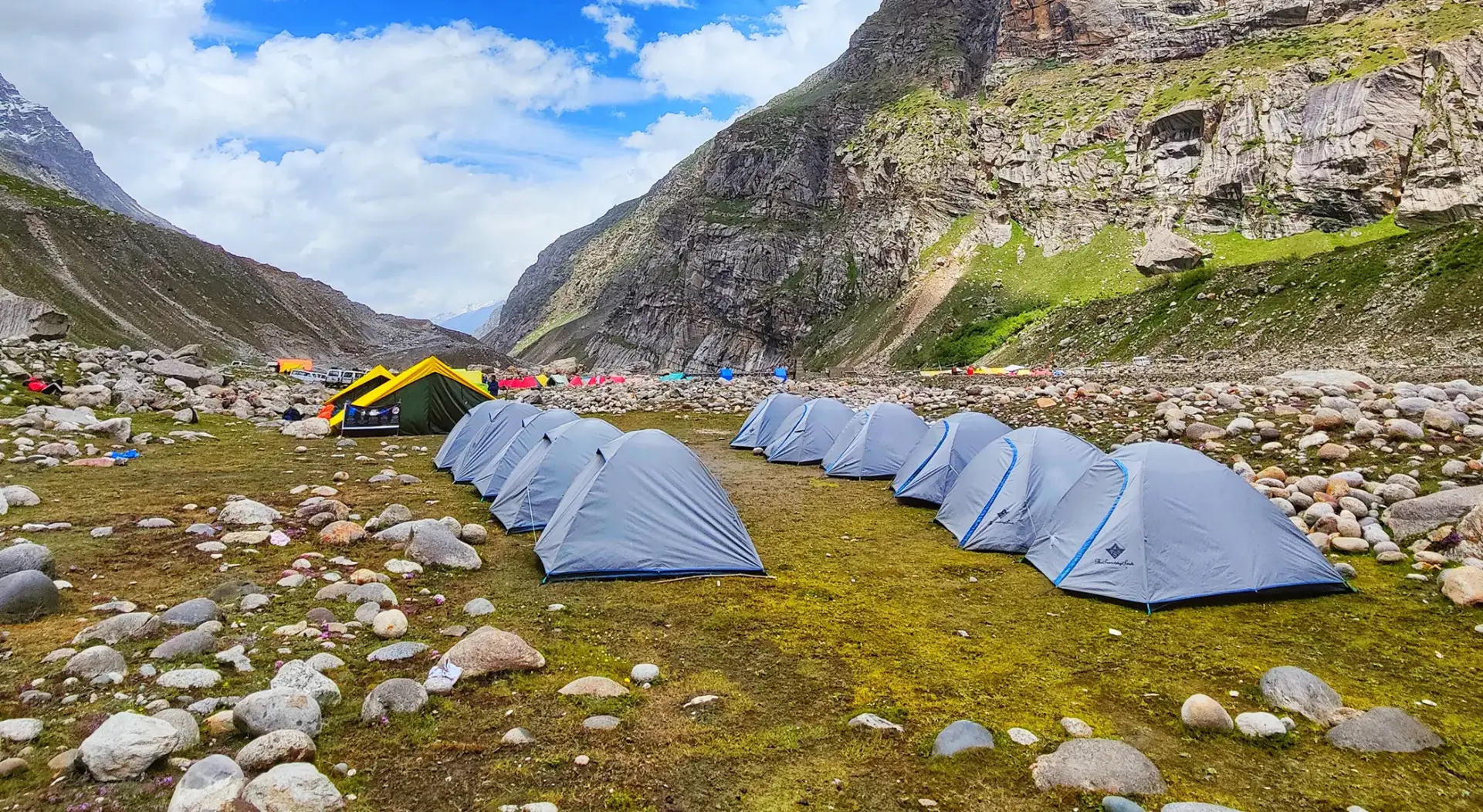
- Accommodation: You will stay in clean, simple, and traditional wooden rooms equipped with thick blankets to keep you warm during the chilly mountain nights.
- Meals: Enjoy hot, home-cooked local meals served for dinner on Day 1 and Day 2, plus fresh breakfast each morning before your activities.
- Evenings: Spend your evenings relaxing under incredibly clear, starry skies, enjoying a bonfire, and sharing stories with fellow trekkers in complete mountain silence.
- The Descent (Day 3): The return hike takes only 3 to 4 hours and is much easier on the legs, allowing you to reach the valley by the early afternoon.
- Relaxation: Find a peaceful spot along the riverbanks near Kasol to rest your feet and soak in the dramatic valley views one last time.
- Departure: Grab a late lunch at one of the local cafes before catching your evening bus or cab back to Delhi or Chandigarh.
One of the most common questions before any Himalayan trek is simple: what should you pack? A smart packing list keeps you comfortable on the trail without making your backpack unnecessarily heavy.
The easiest way to pack is to go step by step, either from head to toe or toe to head. That simple pattern helps you stay organized and lowers the chance of forgetting essentials.
01 Backpacks
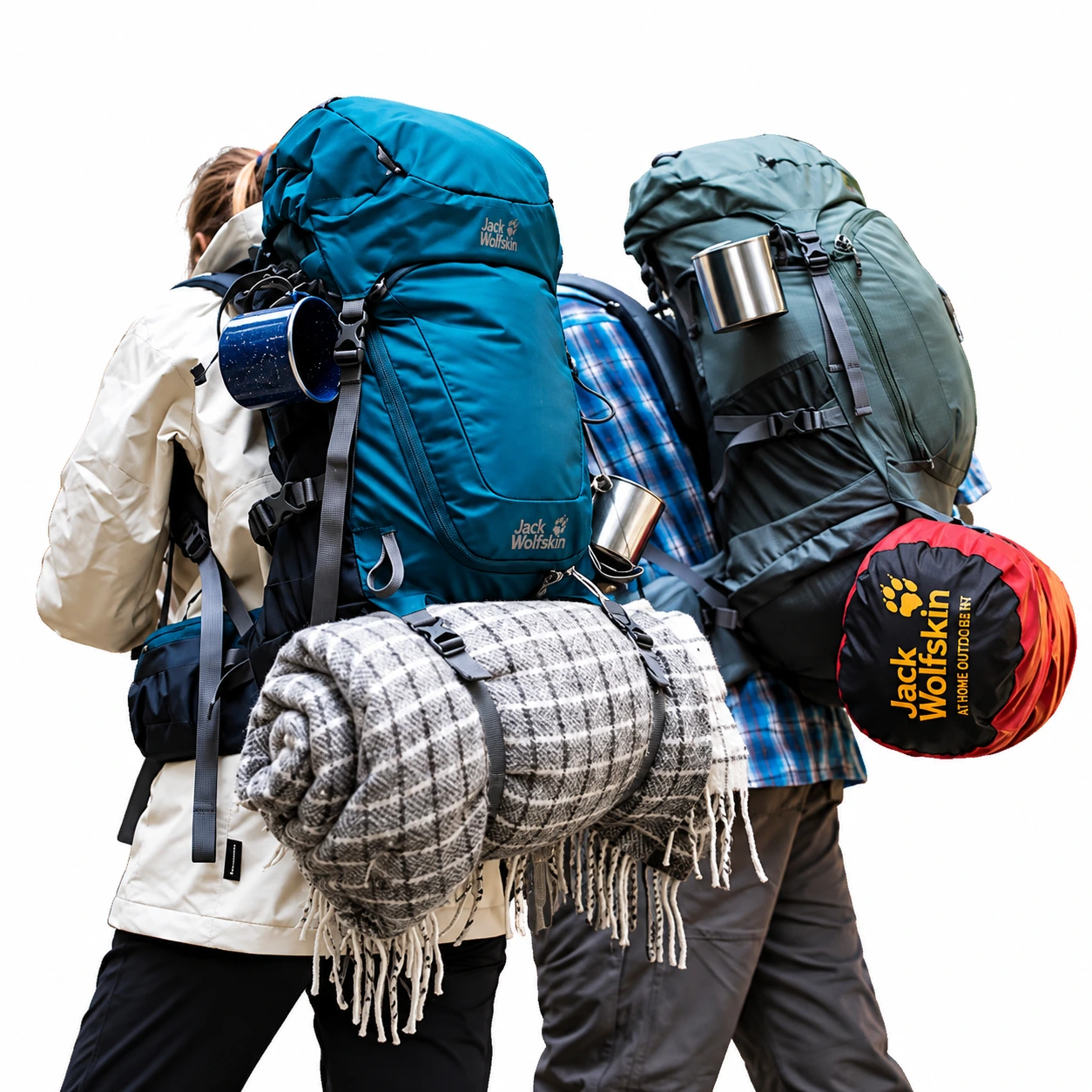
- Main backpack: Good hip support, shoulder support, and easy-access pockets.
- Daypack: Useful for short hikes, sightseeing, and carrying daily essentials when the main bag is not needed.
02 Footwear
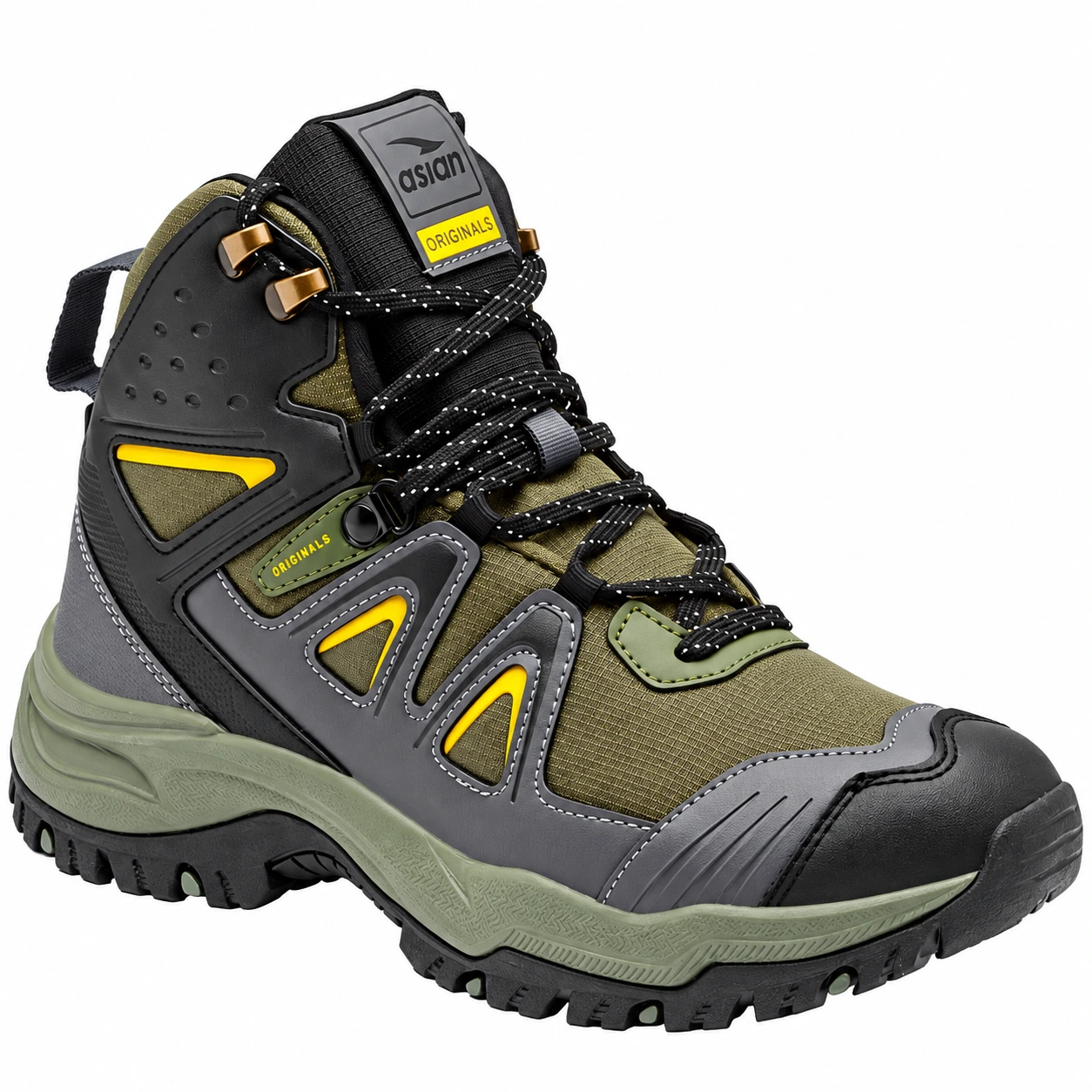
- Trekking shoes: Prefer waterproof shoes with high-ankle support.
- Walking or hiking sandals: Great for camp use, resting your feet, or stream crossings.
- Sneakers: Optional, but useful for travel days or relaxed time around camp.
- Socks: Carry 3 to 5 pairs that are warm, comfortable, and quick-drying.
03 Clothing Layers
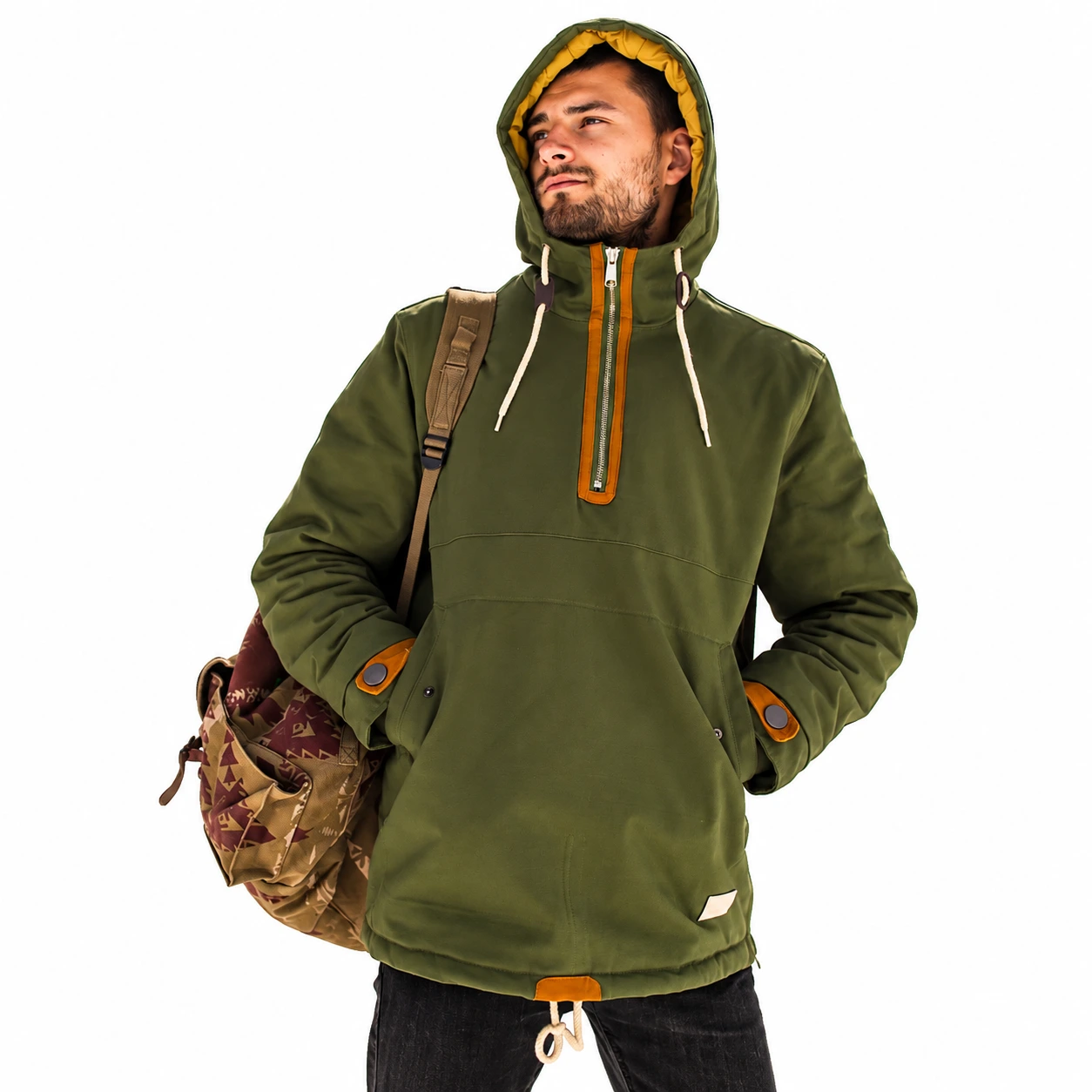
- Jacket: A good quality hiking or trekking jacket for layering.
- Pants: Lightweight, quick-drying trekking pants, plus a warm lower layer for colder nights.
- T-shirts and base layers: Carry 3 to 4 warm, comfortable tees along with a long-sleeve layer.
- Thermals and leggings: Two pairs of thermals and warm leggings are ideal for cold mornings and evenings.
- Undergarments: Pack according to your personal requirement.
- Buff or balaclava: Essential for protecting your neck and throat from wind and cold.
- Beanie cap and hiking hat: A beanie helps in cold weather, while a sun hat protects you during the day.
- Gloves: One warm pair is usually enough.
04 Rain Protection
- Raincoat and rain pants: Helpful in changing mountain weather.
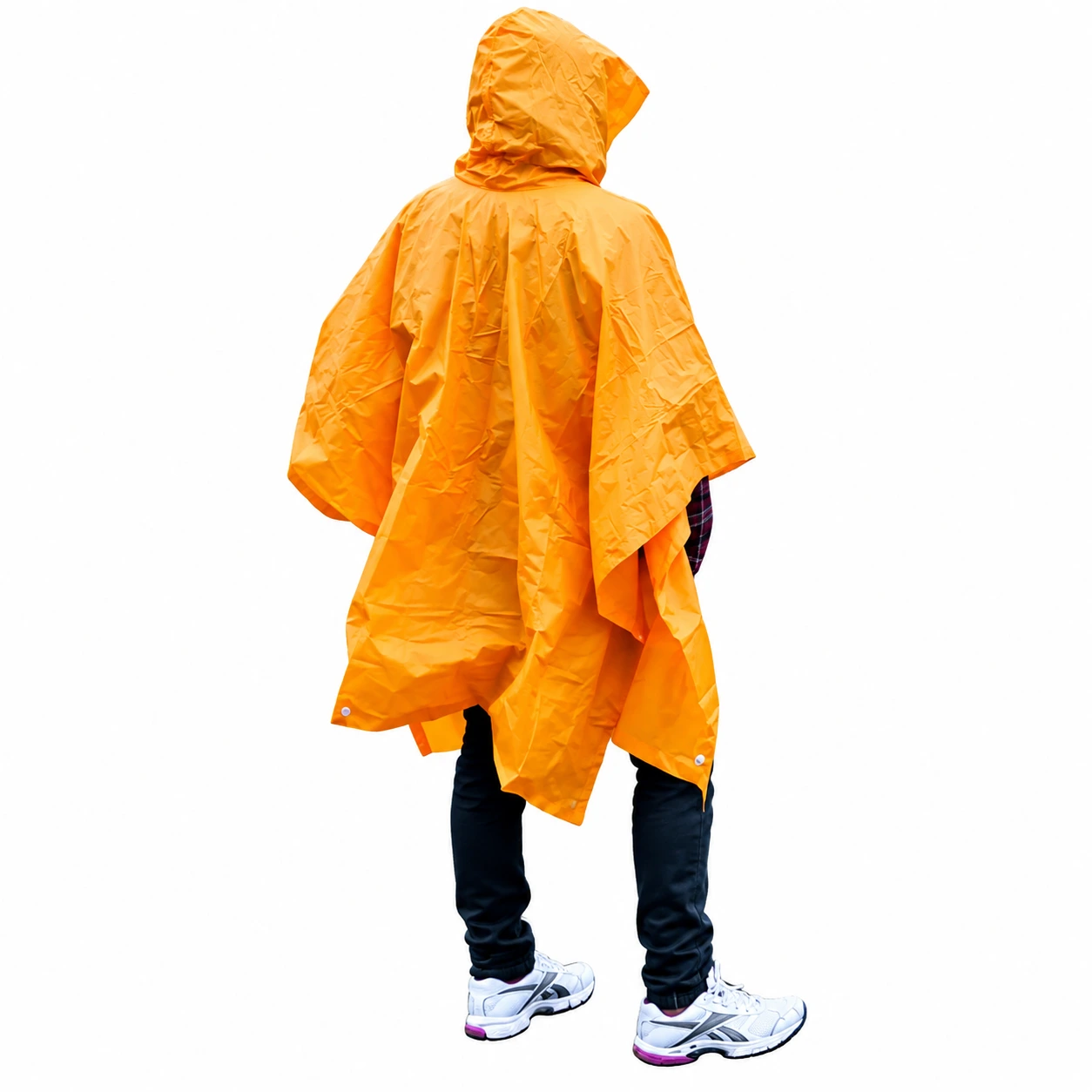
- Rain poncho: A practical option during longer spells of rain.
- Rain covers: Carry waterproof covers for both your backpack and daypack, especially for gadgets.
05 Gadgets and Useful Extras
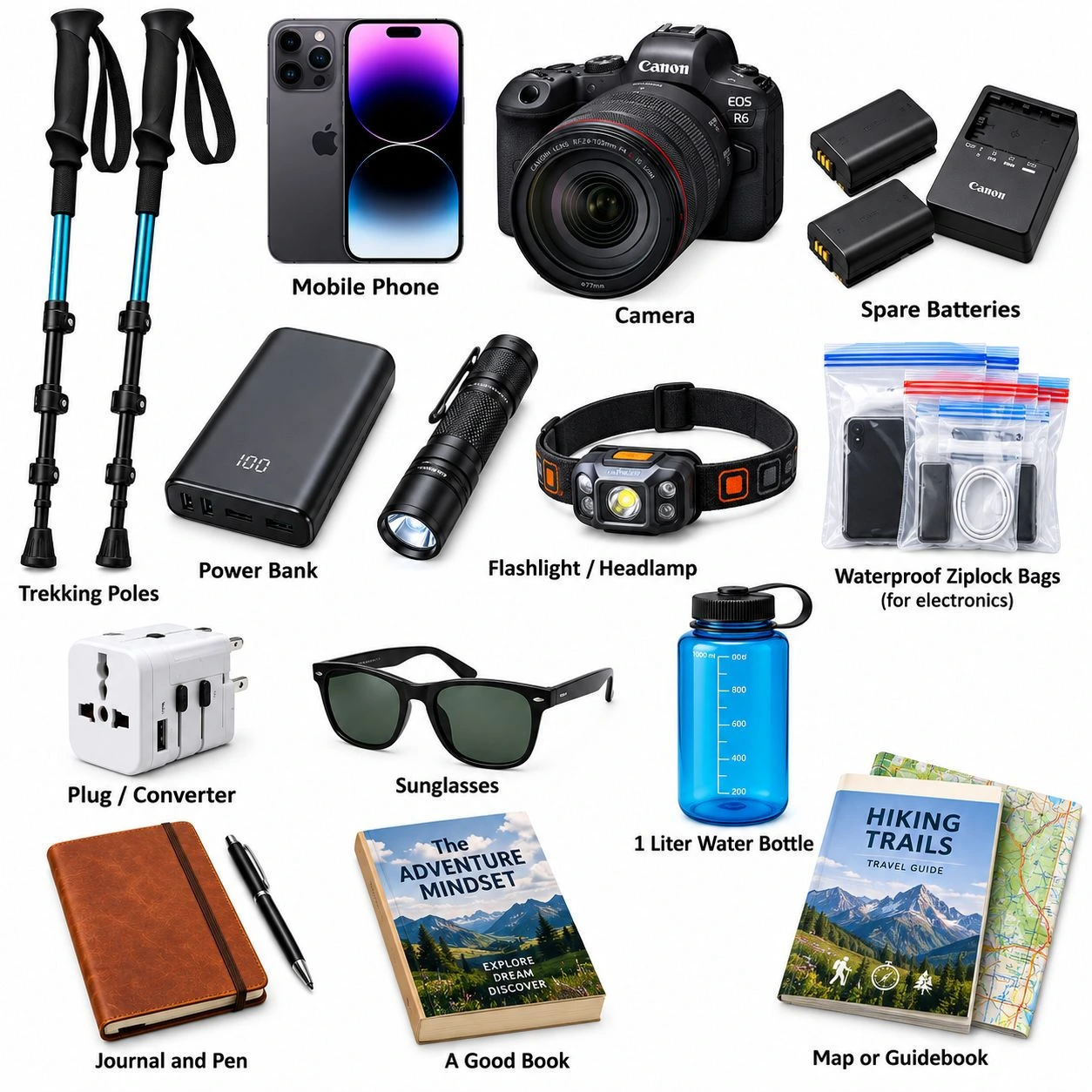
- Trekking poles, mobile phone, camera, and spare batteries.
- Power bank, lightweight flashlight or headlamp, and waterproof ziplock bags for electronics.
- Plug or converter, sunglasses, and a 1 liter water bottle.
- A journal and pen, a good book, and a map or guidebook if you enjoy documenting the journey
06 Hygiene and Toiletries
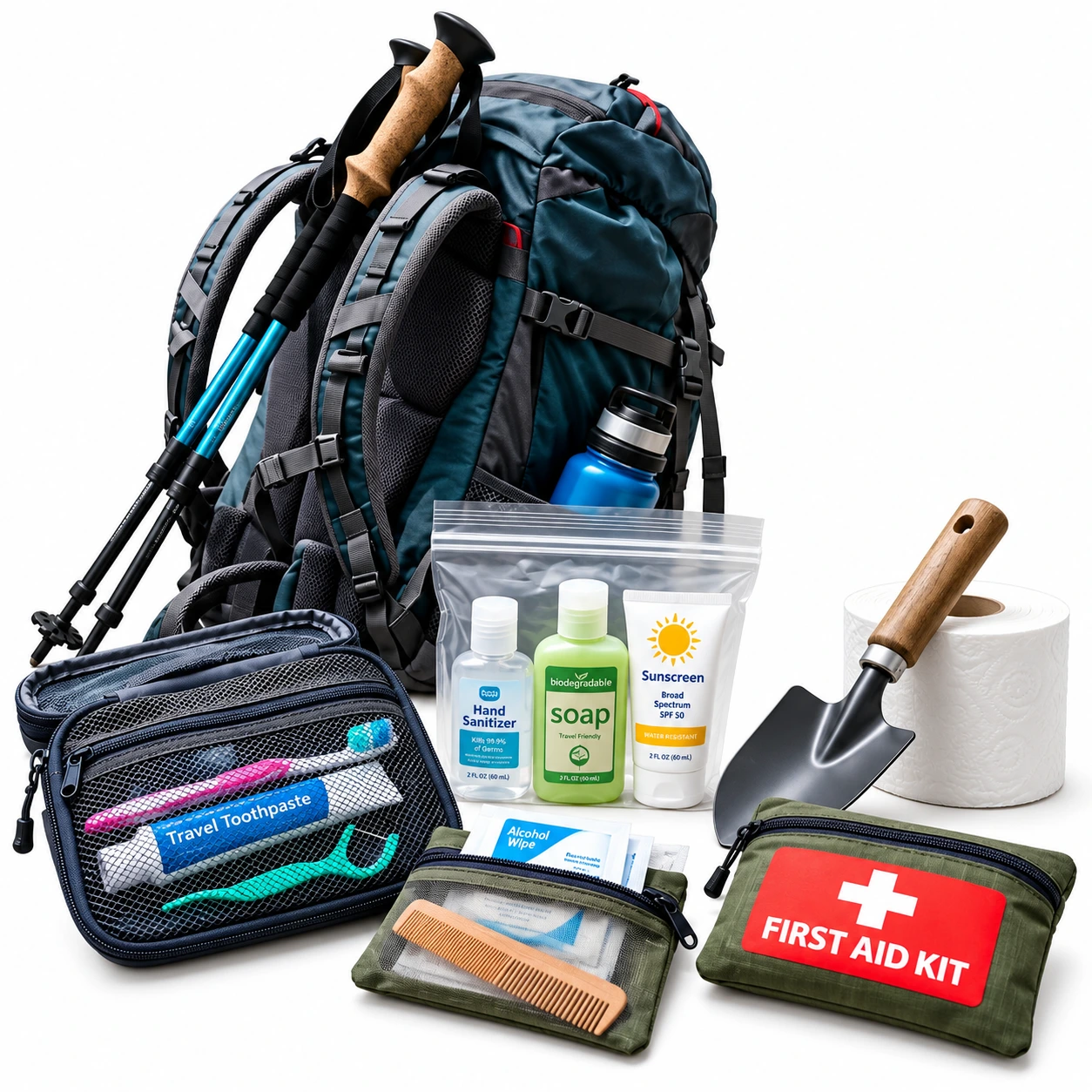
- Sunscreen with UV protection and lip balm or salve.
- Quick-drying towels, toilet paper, tissues, or wet wipes.
- Toothbrush, toothpaste, mouth freshener, shampoo, deodorant, and talcum powder.
- Biodegradable soap, nail clipper, and any personal daily-use items.
- Sanitary pads or tampons if needed.
07 First Aid and Energy
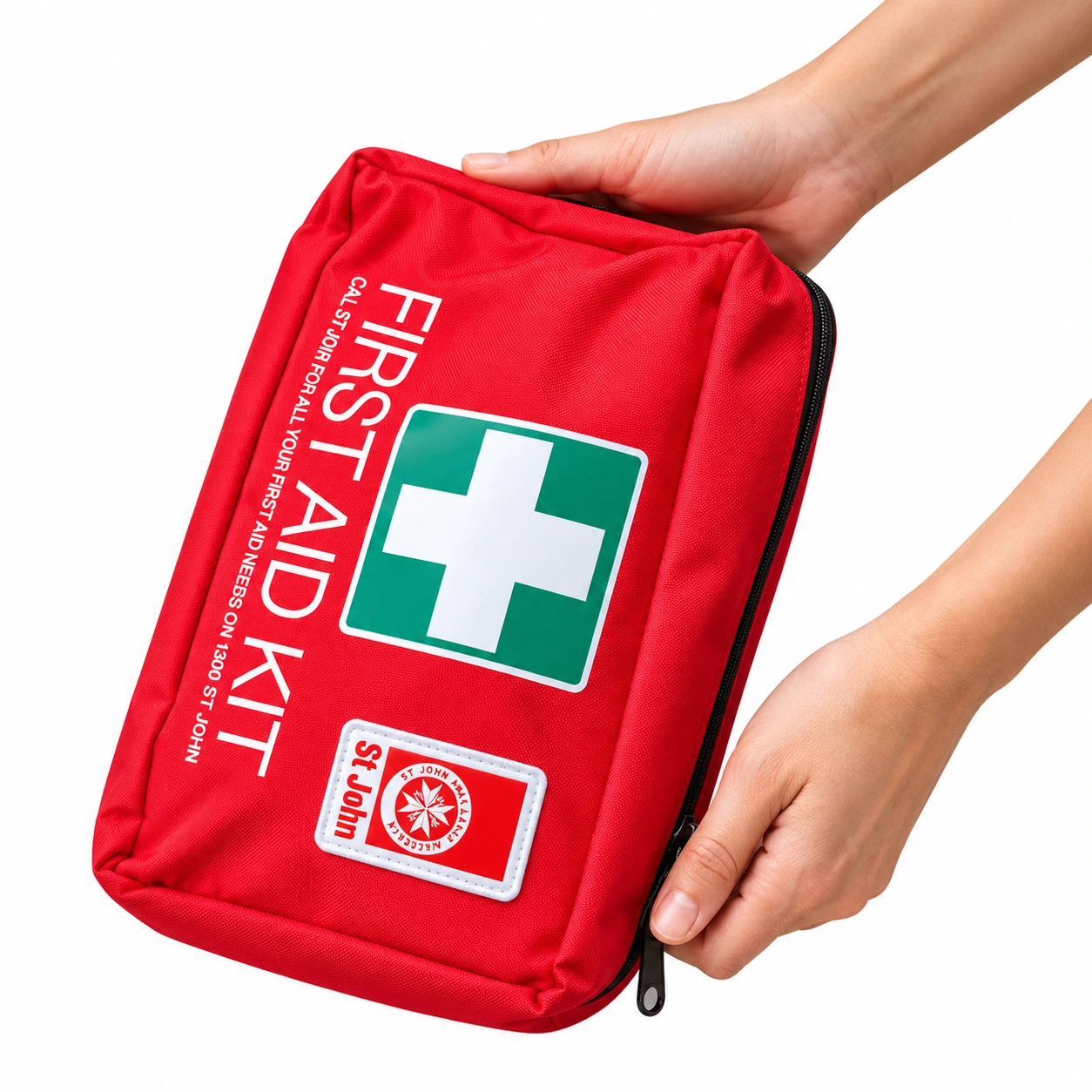
- Carry a personal first-aid kit with the basics you may commonly need on an adventure trip, and always consult your doctor before taking any medicine.
- Antiseptic wipes or water syringe, butterfly bandages, sterile gauze pads, and elastic bandages.
- Latex gloves, medicines for upset stomach, cold, flu, fever, headache, and basic pain relief.
- ORS sachets, pain relief spray, bug repellent, and any prescription medicines you already use.
- Medicine for high altitude concerns such as Diamox or a similar alternative, only after medical advice.
- Carry some energy bars and non-alcoholic energy drinks for quick support on the trail.
- Accommodation:Accommodation on a sharing basis.
- Meals:All meals (vegetarian), including dinner on Day 1 and breakfast on Day 3.
- Trek Leader:Supporting staff and cook for meal preparation and assistance.
- Camping logistics:Forest permits required for the trek.
- Safety Equipment:Basic medical kit for safety during the trek.
- Meals during the journey to and from Kasol.
- Porters or mules to carry personal luggage.
- Personal expenses (e.g., shopping, snacks, etc.).
- Personal medications (please carry your own).
Life is unpredictable and we understand sometimes you have to cancel or change your trip dates and it is our endeavour to make it as easy possible for you. However, please understand we plan everything including guide fees, permits, accommodation and ration in advance. Therefore, any cancellation means inconvenience and certain losses to the people involved in various stages of programme. Keeping that in mind, our cancellation charges are as below :
Cancellation Timeline
-
30 days before the event Best cancellation window with the lowest deduction.Deduction 15% Lowest cutReturn 85% Monetary Refund Into original payment mode
-
15-30 days before trek start Moderate cancellation window before core ground arrangements intensify.Deduction 50% Mid-stage cutReturn 50% Cash Voucher Valid for 12 months
-
Less than 15 days before trek start Late cancellation window after trek operations are mostly aligned.Deduction 100% Higher cutReturn No Refund
Voucher Rules
After applicable cancellation deductions, the remaining amount is refunded only in the form of a trek voucher. The voucher can be used for any trek, tour, or yatra booked with BookMyHikes.
How difficult is the Kasol to Grahan Trek?
What is the total distance of the Grahan Trek?
What is the best time to visit Grahan Village?
What is the altitude of Grahan Village?
How many days are required for the Kasol to Grahan Trek?
Is the Grahan Trek suitable for beginners?
Is mobile network connectivity available in Grahan Village?
What type of accommodation is available during the trek?
Are meals included in the Grahan Trek package?
What should I carry for the Kasol to Grahan Trek?
Verified certifications for trusted mountain operations.
Registered for safer departures.