Easy to Moderate
Kareri Lake Trek
Discover the crystal-clear waters of Kareri Lake, surrounded by the majestic Dhauladhar mountains, as you trek through enchanting forests, mountain streams and peaceful alpine landscapes.

DAYS
3 Days / 2 Nights
BASE CAMP
Dharamshala, Himachal Pradesh
COUNTRY
India
GRADE
Easy to Moderate
LOCATION
Kangra District, Himachal Pradesh
RAIL HEAD
Pathankot Railway Station
FOOD
Vegetarian Meals During the Trek
AIRPORT
Kangra Airport (Gaggal)
ADVENTURE TYPE
Alpine Lake Trekking
SEASON
Spring, Summer & Autumn
ALTITUDE
9,700 Ft. (2,957 m approx.)
DISTANCE
Approx. 26 Km
MONTH
March–June & September–November
STAY
Homestay / Shared Tents
TRAIL TYPE
Pine & Oak Forests, Rocky Trails, Mountain Streams & Alpine Lake
The Kareri Lake Trek is one of the most scenic short Himalayan treks in Himachal Pradesh, offering a beautiful combination of dense forests, mountain streams, traditional villages, rocky trails and breathtaking views of the Dhauladhar mountain range. Located in the Kangra district, Kareri Lake is a freshwater alpine lake surrounded by rugged mountains and peaceful high-altitude landscapes. Its relatively accessible location near Dharamshala makes it a popular destination for nature lovers, adventure enthusiasts and trekkers looking for a memorable Himalayan experience without committing to a lengthy expedition.
Situated at an approximate altitude of 9,700 feet (2,957 metres), Kareri Lake is known for its clear water, dramatic mountain backdrop and naturally beautiful surroundings. The lake receives water primarily from snowmelt and mountain streams originating in the higher Dhauladhar region. During favourable weather, its calm surface reflects the surrounding slopes, creating a spectacular setting for photography and quiet moments in nature.
The Kareri Lake Trek in Himachal Pradesh is particularly attractive because of the changing landscapes encountered along the route. Trekkers begin among traditional mountain settlements and forested hillsides before gradually ascending through oak and pine forests, crossing streams and walking alongside the flowing waters of the Nyund River. As the trail gains altitude, dense woodland gives way to open mountain terrain, rocky sections and expansive views of the Dhauladhar mountains.
For travellers searching for a short trek near Dharamshala, Kareri Lake offers an excellent opportunity to experience the natural beauty of the Himalayas through a rewarding multi-day adventure.
Kareri Lake Trek Route – A Journey Through Forests, Rivers and Mountain Landscapes
The Kareri Lake Trek route typically begins from Kareri Village or a nearby road-accessible trailhead, reached by road from Dharamshala. The village lies in the foothills of the Dhauladhar range and serves as an important starting point for trekkers heading towards the lake.
The initial section of the trek passes through rural landscapes, forest trails and traditional mountain surroundings. As the route moves away from inhabited areas, the sound of flowing water and the dense vegetation create a refreshing environment.
Much of the trail follows the Nyund River, a mountain stream that flows down from the higher reaches of the Dhauladhar region. Its clear water, rocky banks and small cascades form some of the most attractive natural features along the trek.
The route includes a combination of gradual ascents, uneven stone pathways, forest sections and stream crossings. Several stretches feature rocky steps and exposed roots, requiring careful footing, particularly after rainfall.
As trekkers gain altitude, the landscape becomes increasingly open. Forest cover gradually reduces, revealing grassy slopes, scattered boulders and impressive views of the surrounding mountains.
The final approach towards Kareri Lake is especially rewarding. The terrain becomes more alpine, with rocky slopes and mountain ridges surrounding the trail. Upon reaching the lake, trekkers are welcomed by a peaceful freshwater body set beneath the rugged peaks of the Dhauladhar Himalayas.
Unlike many popular trekking destinations that require extended travel and long itineraries, the Kareri Lake Trek from Dharamshala provides a relatively compact Himalayan adventure while offering remarkable diversity in scenery.
Kareri Lake – A Beautiful Freshwater Lake Beneath the Dhauladhar Mountains
The highlight of the journey is undoubtedly Kareri Lake, a high-altitude freshwater lake nestled among the mountains of Kangra district.
The lake is known for its remarkably clear water, particularly during favourable weather and lower sediment conditions. Its rocky surroundings, mountain streams and changing seasonal vegetation create a distinctive alpine environment.
One of the most interesting characteristics of Kareri Lake is its relatively shallow water compared with many other Himalayan lakes. The lake's appearance changes throughout the year depending on snowmelt, rainfall, water levels and seasonal conditions.
During spring and early summer, the surrounding mountain slopes may retain snow, creating a beautiful contrast between the lake and the rugged Dhauladhar landscape. In autumn, clearer skies can provide impressive mountain views, although temperatures become colder, particularly during the night.
The area surrounding Kareri Lake also holds local religious significance. A small temple dedicated to Lord Shiva is situated near the lake, adding a cultural element to the trekking experience.
For photographers, the lake offers opportunities to capture mountain reflections, rocky ridgelines, alpine landscapes and the changing colours of the sky. However, visibility and reflections depend on weather conditions and cannot be guaranteed.
The peaceful atmosphere and remote mountain setting make Kareri Lake a rewarding destination for travellers seeking natural beauty away from busy urban environments.
Kareri Lake Trek Difficulty – Is It Suitable for Beginners?
The Kareri Lake Trek difficulty level is generally classified as easy to moderate, making it an appealing option for physically fit beginners and trekkers with limited Himalayan experience.
However, the trek should not be considered effortless. The route includes uphill walking, uneven mountain paths, rocky sections and stream crossings that may become challenging during wet weather.
The final ascent towards the lake can require additional effort because of the increasing altitude and rugged terrain. Trekkers should be comfortable walking for several hours while carrying a daypack and navigating irregular surfaces.
The maximum altitude of approximately 9,700 feet is lower than that of many major Himalayan pass treks, but participants may still experience fatigue, breathlessness or mild altitude-related symptoms.
A reasonable level of cardiovascular fitness and leg strength is recommended. Regular walking, stair climbing, jogging and moderate uphill hikes can help participants prepare for the journey.
The Kareri Lake Trek for beginners is best approached with realistic expectations, suitable equipment and an experienced local trekking team. Families and younger participants should assess individual fitness and trail conditions rather than relying solely on the trek's difficulty classification.

TAX BENEFIT
5% GST (goods and services tax)
SERVICES
Dharamshala to Dharamshala (Pickup & Drop-off Included)
MEETING POINT
Dharamshala Bus Stand, Himachal Pradesh
REPORTING TIME
8:00 AM (Tentative – subject to departure confirmation)
DROP TIME
Approximately 4:00 PM – 6:00 PM on Day 3 (subject to trekking pace, traffic and weather conditions)
IMPORTANT
Kareri Lake Trek is an easy-to-moderate Himalayan adventure suitable for physically fit beginners. Carry warm clothing, waterproof trekking shoes and valid identification. Trail accessibility depends on weather and snow conditions.


Nyund Stream (Nyund Khad)
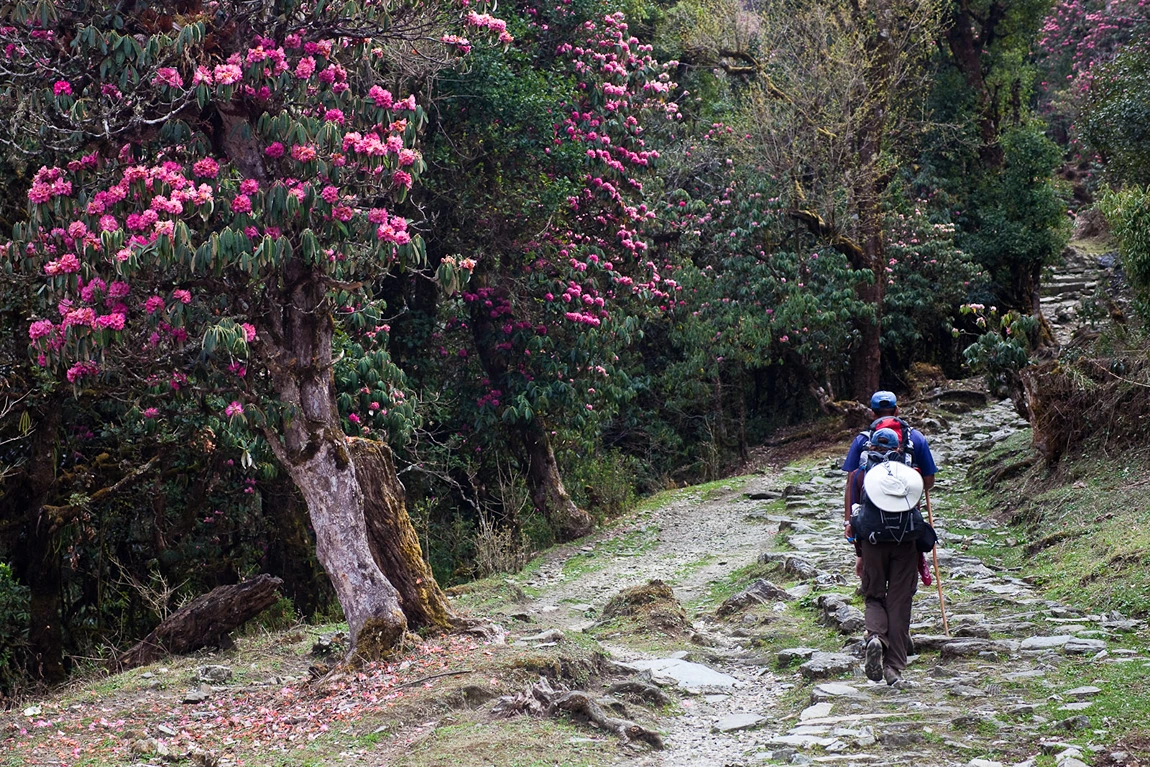
Oak and Rhododendron Forests

Reoti Base Camp
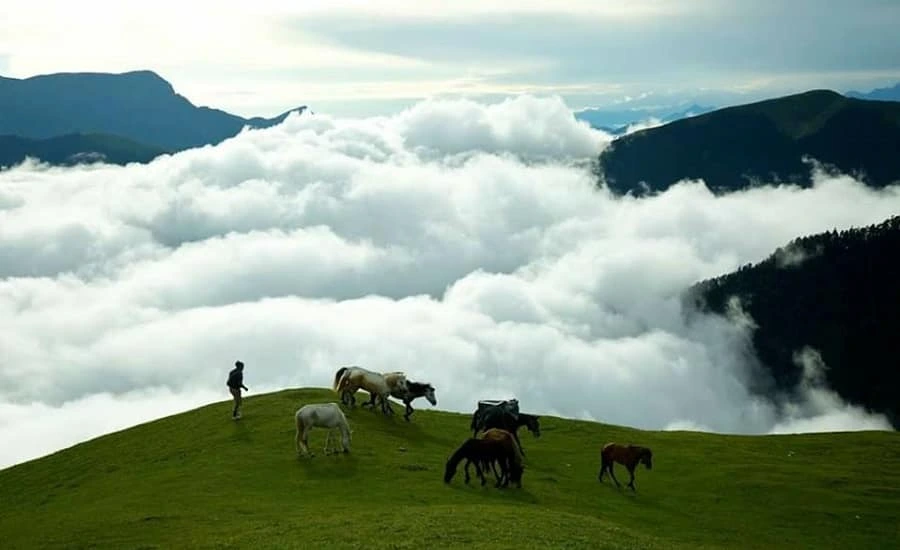
Alpine Meadows (Bugyals)
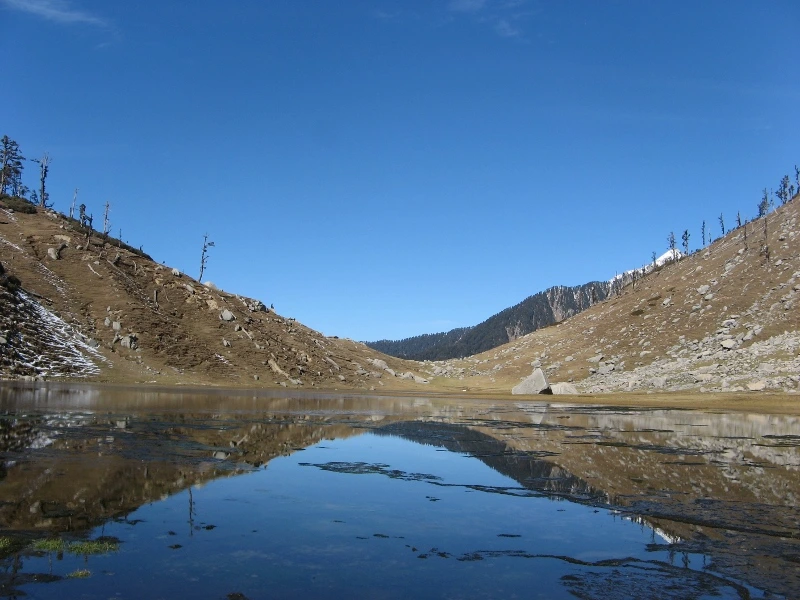
Kareri Lake (Kumarwah Lake)
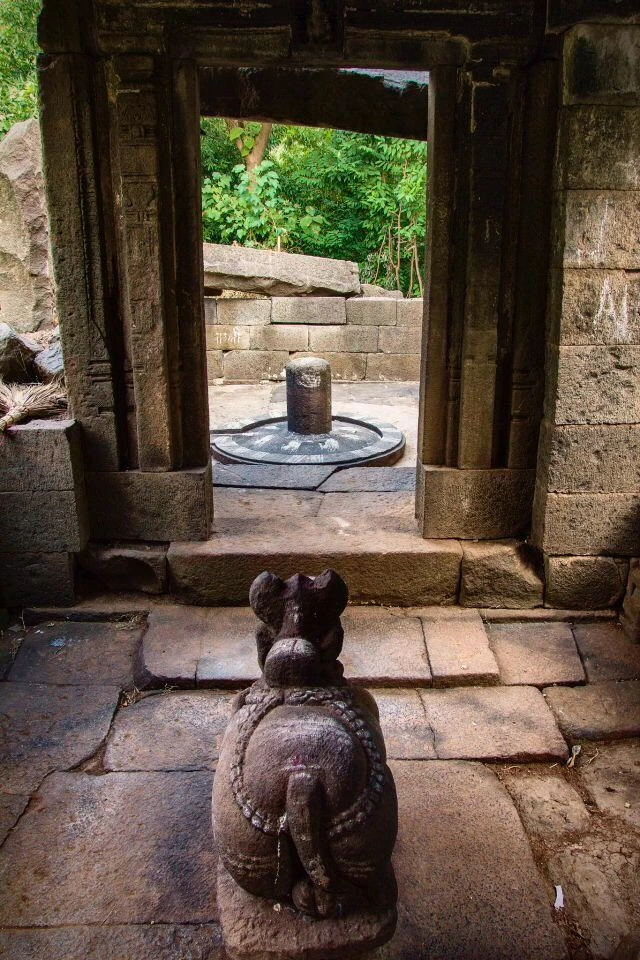
Ancient Lord Shiva Temple

Ghera Village / Hydro Project
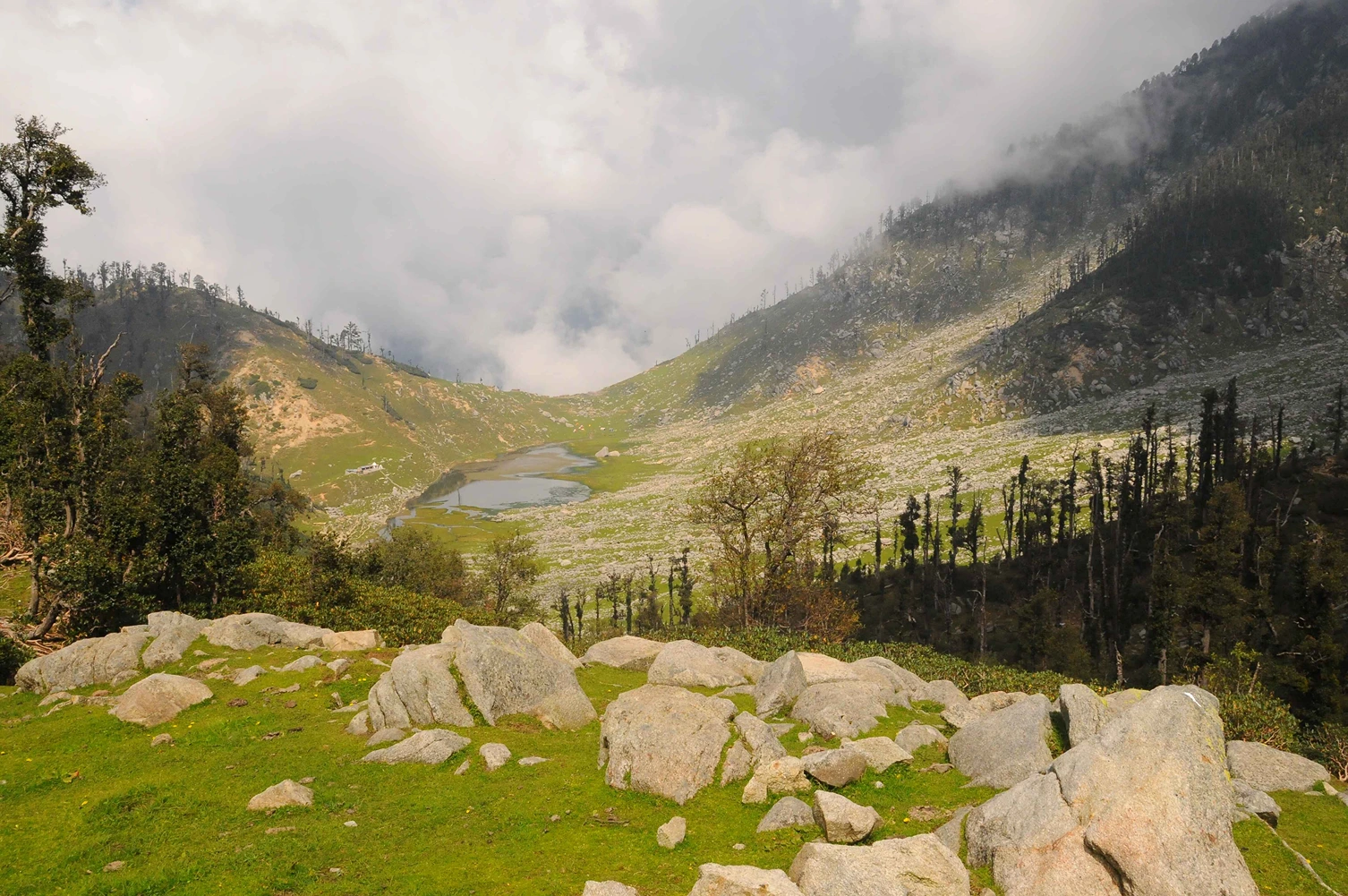
Minkiani Pass Viewpoint

01
DAY
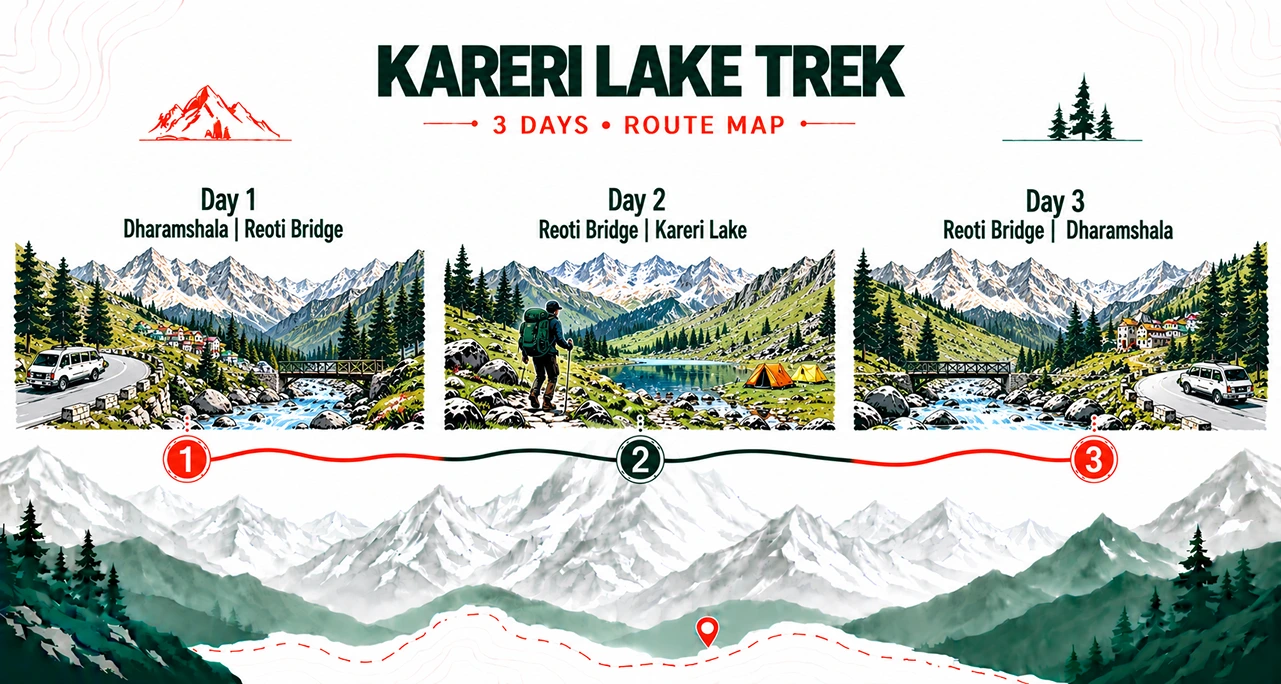
Dharamshala to Kareri Village – Trek to Reoti Bridge Campsite (25 Km Drive + 6 Km Trek)
- The Kareri Lake Trek from Dharamshala begins with an early morning assembly at Dharamshala Bus Stand at 7:00 AM. After meeting the trekking team and receiving a brief introduction to the route, we begin our scenic drive towards Kareri Village, located in the beautiful foothills of the Dhauladhar mountain range.
- The road journey takes us through the picturesque surroundings of Kangra Valley, passing mountain settlements and forested slopes along the route via Ghera Village. As we move away from Dharamshala, the landscape becomes increasingly peaceful, with traditional houses, terraced fields and beautiful mountain views accompanying the drive.
- After reaching the Kareri Village area, we continue towards Nolli Bridge, the designated starting point of our trekking journey. Here, the trek leader conducts a final equipment check and provides essential instructions regarding walking pace, trail conditions and safety precautions before we begin ascending towards Reoti.
- The initial trekking trail follows a well-established mountain path through forests of pine, oak and other native Himalayan trees. Depending on the season, trekkers may also encounter flowering rhododendrons, particularly during spring. The shaded forest environment and fresh mountain air make the first stage of the journey especially enjoyable.
- As we continue climbing, the trail follows the beautiful Nyund Nallah, a mountain stream flowing through the valley. The sound of rushing water, small waterfalls and rocky streambeds adds to the natural charm of the route. Several sections offer opportunities to pause and appreciate the surrounding forest and mountain scenery.
- The route includes gradual ascents, stone pathways and occasional rocky sections. Although the first day's trek is classified as easy, participants should maintain a comfortable walking pace and take regular hydration breaks, especially if they are new to Himalayan trekking.
- After approximately 6 km of trekking, generally taking 4–5 hours, we reach Reoti Bridge Campsite, situated at an altitude of around 8,000 feet. Surrounded by forested mountain slopes and flowing water, Reoti provides a peaceful setting for the first night of the Kareri Lake Trek.
- Upon reaching the campsite, participants can settle into their shared tents, enjoy refreshments and relax in the natural surroundings. The evening offers an opportunity to experience the tranquillity of the Dhauladhar mountains before the following day's ascent to Kareri Lake.
- Dinner will be served at the campsite, followed by an overnight stay in tents at Reoti.
02
DAY
Reoti Bridge Campsite to Kareri Lake and Return (14 Km Trek, 7–8 Hours)
- Day 2 is the most exciting stage of the Kareri Lake Trek itinerary, as we make our way towards the beautiful alpine lake nestled beneath the towering Dhauladhar mountains. After an early breakfast and a warm cup of tea, we prepare for the day's ascent, carrying essential items such as water, snacks, rain protection and warm clothing.
- Leaving Reoti Campsite behind, the trail continues along Nyund Nallah, gradually ascending through a combination of forested sections, rocky pathways and open mountain terrain. The flowing stream remains a prominent feature of the route, creating a scenic atmosphere throughout much of the climb.
- As we gain altitude, the forest vegetation gradually becomes less dense, revealing expansive views of the surrounding mountain slopes. The trail passes through stretches of alpine grassland and uneven rocky terrain, where trekkers should watch their footing, particularly after rainfall or during periods of snowmelt.
- The final approach towards Kareri Lake becomes increasingly scenic as the rugged Dhauladhar peaks rise above the valley. Mountain streams, scattered boulders and open slopes create a distinctly alpine environment that contrasts beautifully with the dense woodland encountered during the previous day.
- After approximately 7 km of uphill trekking, we arrive at Kareri Lake, situated at an altitude of around 9,700 feet. This freshwater alpine lake is known for its clear water, peaceful surroundings and spectacular mountain backdrop. During favourable weather, the surrounding ridges may reflect beautifully on the lake's surface.
- One of the notable attractions near the lake is the Kareri Devi Temple, which holds religious significance for local communities. Trekkers can spend some time exploring the permitted surroundings, appreciating the mountain scenery and learning about the cultural importance of the area.
- The lake is surrounded by rocky slopes and mountain ridges that form part of the magnificent Dhauladhar range. Depending on seasonal conditions, patches of snow may remain visible on the higher slopes, adding to the beauty of the landscape.
- After reaching the lake, participants can take a well-deserved break, enjoy their packed refreshments or lunch according to the arrangements, and capture photographs of the surrounding mountains. Visitors should avoid littering, disturbing the natural environment or entering unsafe areas around the lake.
- Following sufficient time at Kareri Lake, we begin the 7 km descent towards Reoti Campsite along the same established trail. Although the return journey is mostly downhill, rocky sections and uneven pathways require continued attention, especially after several hours of walking.
- As we descend, the alpine landscape gradually transitions back into the greener forested surroundings of the lower valley. The changing scenery offers another opportunity to enjoy the natural beauty of the Kareri Lake trekking route.
- After completing approximately 14 km of trekking, we return to Reoti Campsite for the evening. Participants can rest, enjoy a warm meal and share their experiences of reaching the lake.
- Dinner and overnight accommodation will be arranged in shared tents at Reoti Campsite.
03
DAY
Reoti Bridge Campsite to Nolli Bridge – Drive Back to Dharamshala (6 Km Trek + 25 Km Drive)
- The final day of the 3 Days / 2 Nights Kareri Lake Trek begins with a refreshing morning at Reoti Campsite. Surrounded by the peaceful sounds of the forest and flowing mountain streams, trekkers can enjoy breakfast before preparing for the descent towards the road-accessible trailhead.
- After breakfast, we pack our belongings, check the campsite for personal items and ensure that no waste is left behind. The trekking team will conduct a short briefing before we begin the return journey through the beautiful lower sections of the Kareri Valley.
- The descent follows the familiar trail alongside Nyund Nallah, passing through forested slopes, rocky pathways and shaded mountain sections. The route offers a different perspective of the valley, with views of the surrounding hills and flowing streams along the way.
- As we descend towards Nolli Bridge, the terrain gradually becomes gentler, although certain rocky and uneven sections still require careful footing. Trekkers should avoid rushing downhill, particularly where loose stones or damp surfaces may make the trail slippery.
- During the return journey, participants can enjoy their final views of the Dhauladhar foothills, dense forest vegetation and traditional mountain landscapes. The peaceful surroundings provide a memorable conclusion to the trekking experience.
- After approximately 6 km of descending, generally taking 3–4 hours, we reach the designated trailhead near Nolli Bridge. From here, we board the arranged vehicle for the return drive towards Dharamshala.
- Depending on the confirmed departure arrangements, the trekking team may organise a brief group photograph or closing interaction before leaving the trailhead. Any participation certificates should be provided only if included in the Book My Hikes package.
- The drive back to Dharamshala takes approximately 2–3 hours, passing through the scenic mountain roads and villages of the Kangra region. Along the way, participants can enjoy the final views of the surrounding hills before returning to the town.
- We expect to reach Dharamshala Bus Stand around 5:30 PM, depending on trekking pace, road conditions, traffic and weather. With arrival in Dharamshala, the Kareri Lake Trek concludes, leaving participants with memorable experiences of forest trails, mountain streams and the spectacular alpine lake beneath the Dhauladhar Himalayas.

One of the most common questions before any Himalayan trek is simple: what should you pack? A smart packing list keeps you comfortable on the trail without making your backpack unnecessarily heavy.
The easiest way to pack is to go step by step, either from head to toe or toe to head. That simple pattern helps you stay organized and lowers the chance of forgetting essentials.
01 Backpacks
Choose a backpack that feels comfortable on your shoulders and hips. For a week-long trek, a 60 to 70 liter backpack is usually enough for your clothing, gear, and personal essentials.
- Main backpack: Good hip support, shoulder support, and easy-access pockets.
- Daypack: Useful for short hikes, sightseeing, and carrying daily essentials when the main bag is not needed.

02 Footwear
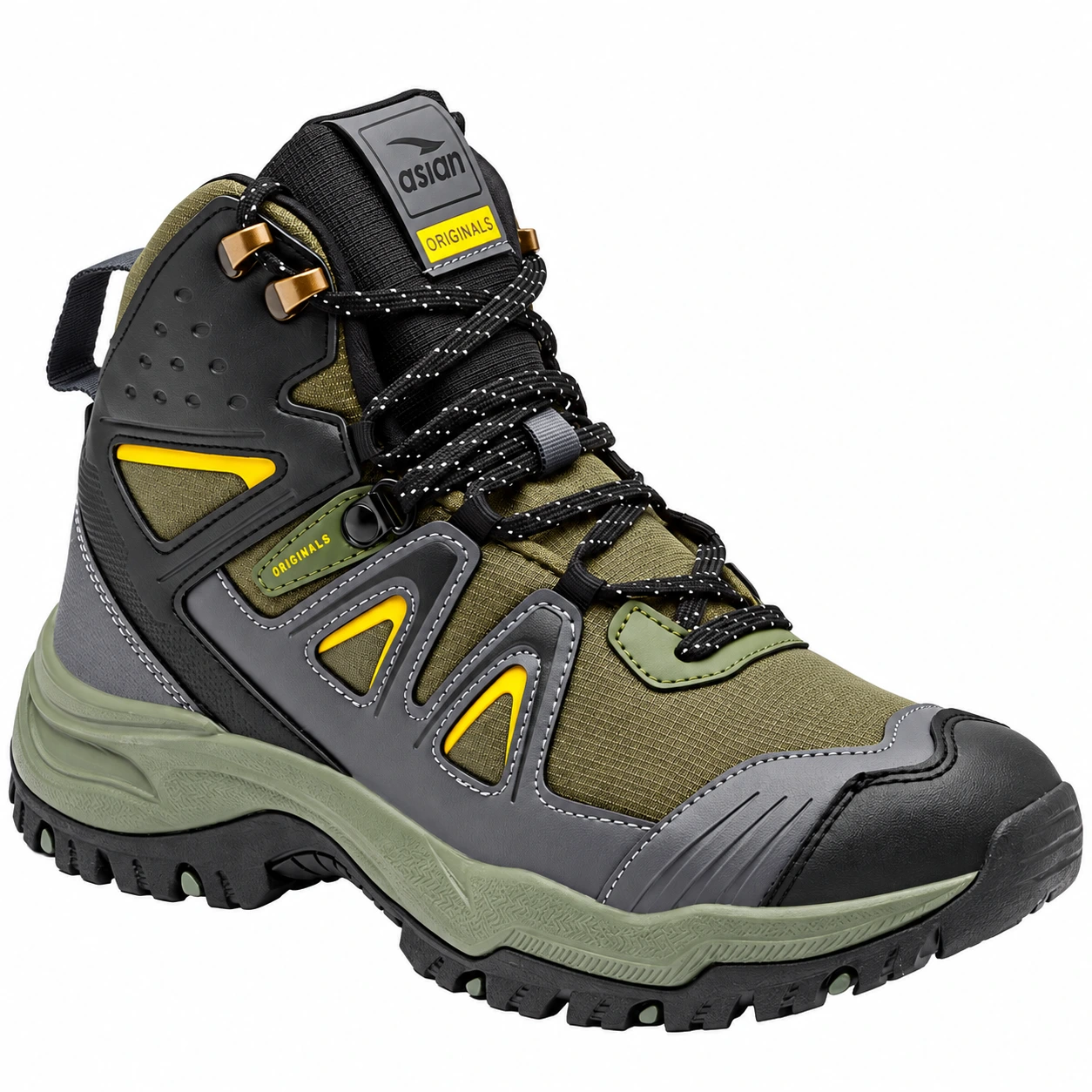
- Trekking shoes: Prefer waterproof shoes with high-ankle support.
- Walking or hiking sandals: Great for camp use, resting your feet, or stream crossings.
- Sneakers: Optional, but useful for travel days or relaxed time around camp.
- Socks: Carry 3 to 5 pairs that are warm, comfortable, and quick-drying.
03 Clothing Layers
- Jacket: A good quality hiking or trekking jacket for layering.
- Pants: Lightweight, quick-drying trekking pants, plus a warm lower layer for colder nights.
- T-shirts and base layers: Carry 3 to 4 warm, comfortable tees along with a long-sleeve layer.
- Thermals and leggings: Two pairs of thermals and warm leggings are ideal for cold mornings and evenings.
- Undergarments: Pack according to your personal requirement.
- Buff or balaclava: Essential for protecting your neck and throat from wind and cold.
- Beanie cap and hiking hat: A beanie helps in cold weather, while a sun hat protects you during the day.
- Gloves: One warm pair is usually enough.

04 Rain Protection
- Raincoat and rain pants: Helpful in changing mountain weather.
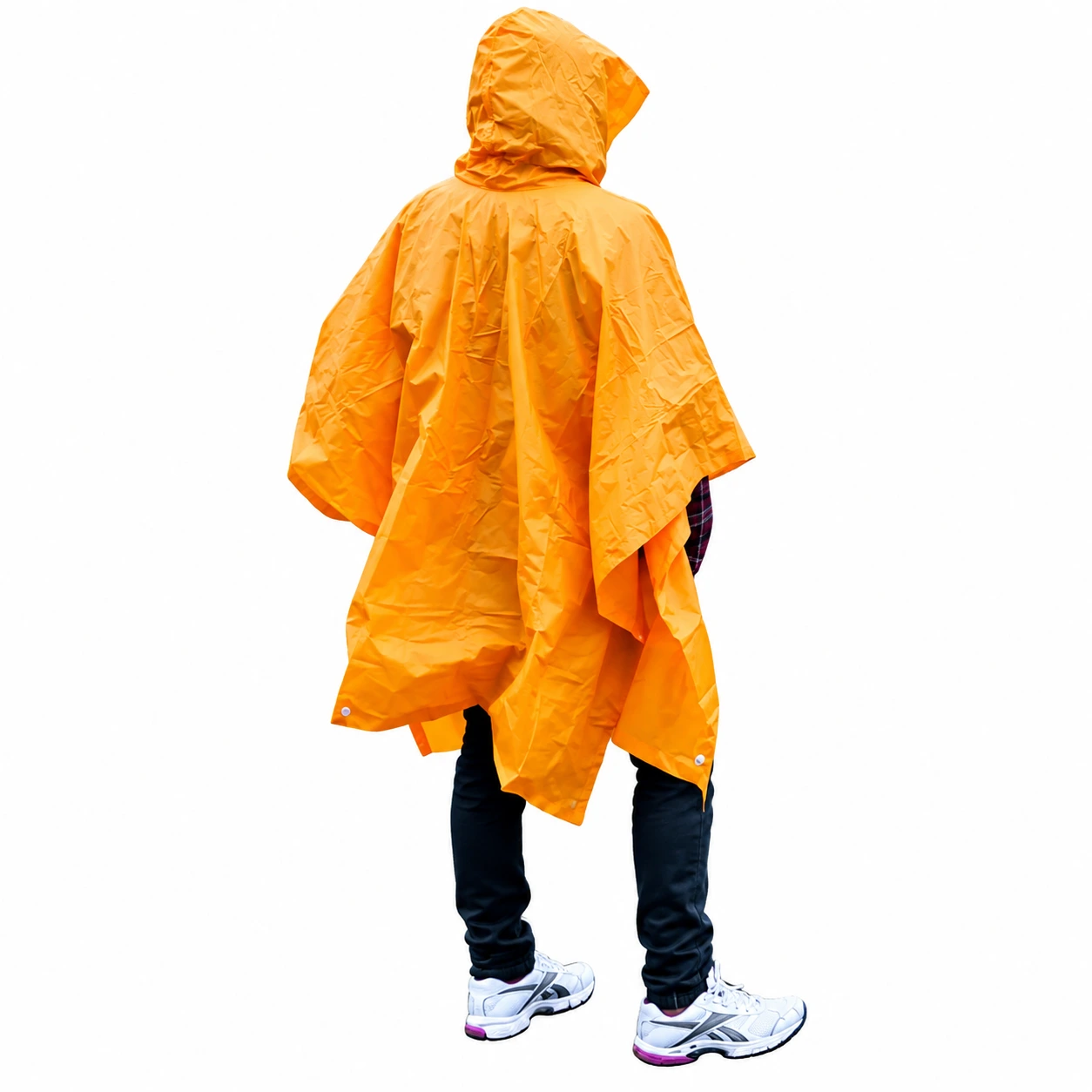
- Rain poncho: A practical option during longer spells of rain.
- Rain covers: Carry waterproof covers for both your backpack and daypack, especially for gadgets.
05 Gadgets and Useful Extras
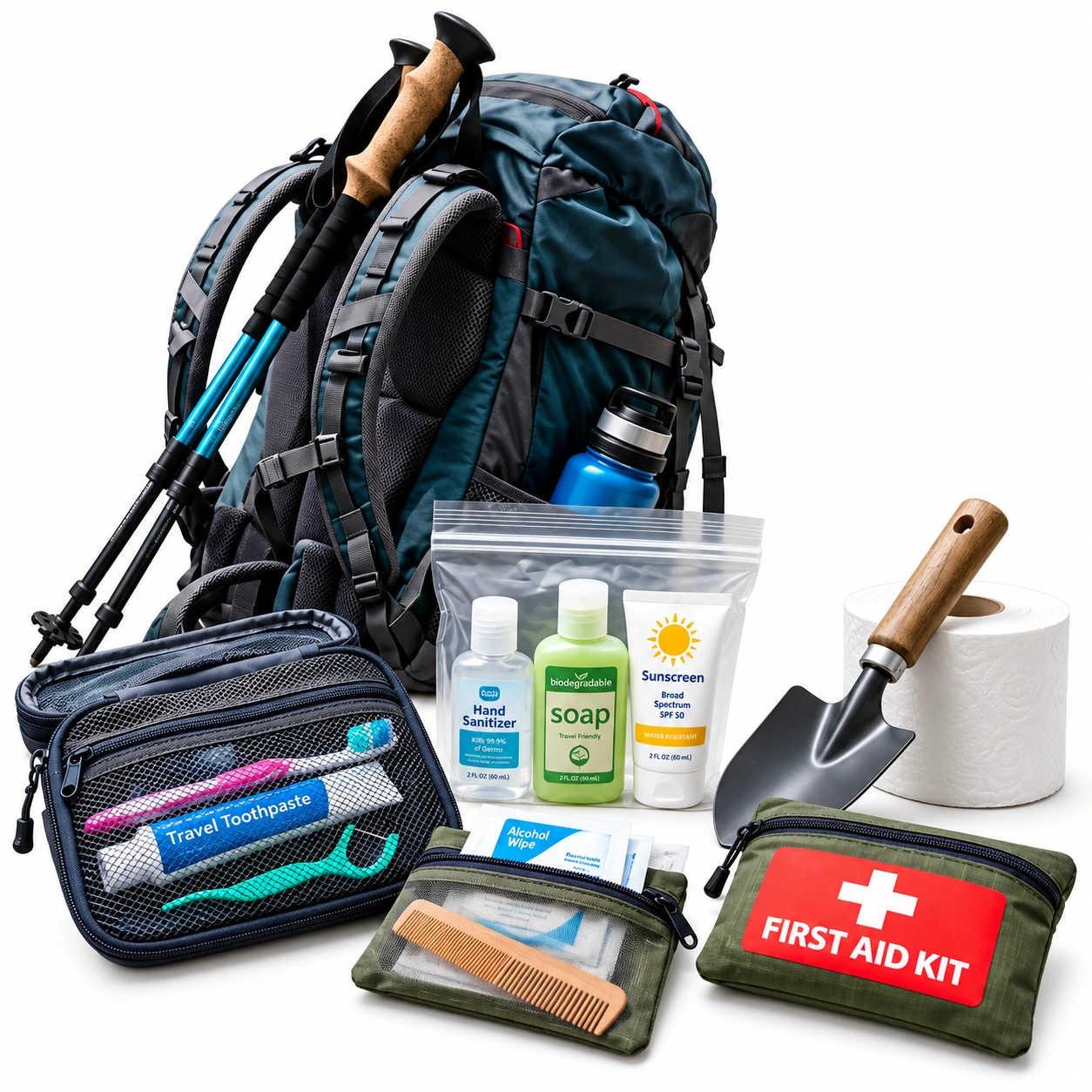
- Trekking poles, mobile phone, camera, and spare batteries.
- Power bank, lightweight flashlight or headlamp, and waterproof ziplock bags for electronics.
- Plug or converter, sunglasses, and a 1 liter water bottle.
- A journal and pen, a good book, and a map or guidebook if you enjoy documenting the journey

06 Hygiene and Toiletries
- Sunscreen with UV protection and lip balm or salve.
- Quick-drying towels, toilet paper, tissues, or wet wipes.
- Toothbrush, toothpaste, mouth freshener, shampoo, deodorant, and talcum powder.
- Biodegradable soap, nail clipper, and any personal daily-use items.
- Sanitary pads or tampons if needed.
07 First Aid and Energy
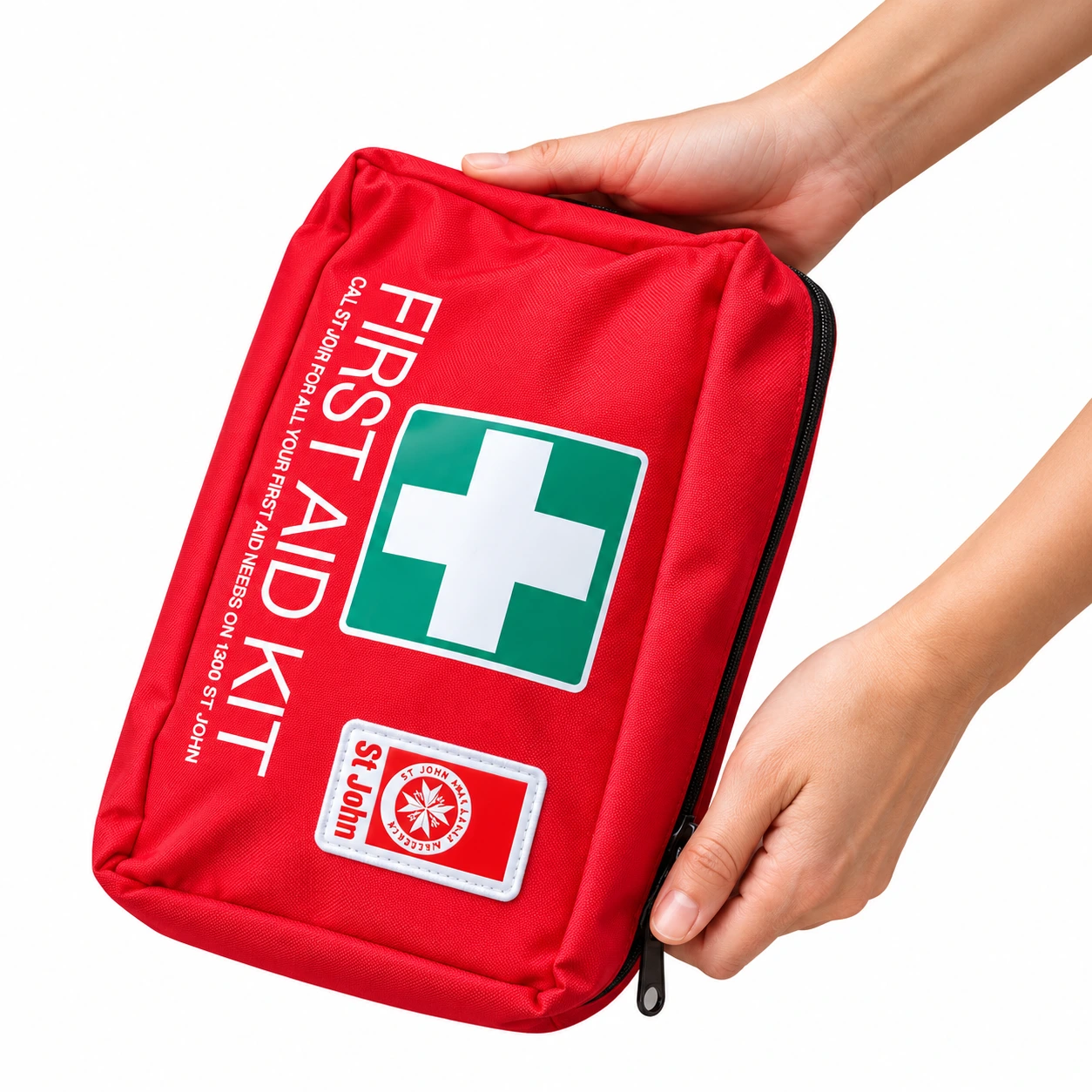
Carry a personal first-aid kit with the basics you may commonly need on an adventure trip, and always consult your doctor before taking any medicine.
- Antiseptic wipes or water syringe, butterfly bandages, sterile gauze pads, and elastic bandages.
- Latex gloves, medicines for upset stomach, cold, flu, fever, headache, and basic pain relief.
- ORS sachets, pain relief spray, bug repellent, and any prescription medicines you already use.
- Medicine for high altitude concerns such as Diamox or a similar alternative, only after medical advice.
- Carry some energy bars and non-alcoholic energy drinks for quick support on the trail.
Important note: Check what gear can be rented or purchased through BookMyHikes and what you should bring from home. Keeping your backpack light makes the trek more comfortable and enjoyable.
Inclusions
- Accommodation:Stay is included from day 1 and Day 2 – you will be staying at hotel and camps on all days of trekking.
- Transportation:Dharamshala to Dharamshala
- Meals:All Meals from day 1 dinner to day 3 breakfast are included. We provide simple nutritious vegetarian food on all days of the trek.
- Camping Charges:All trekking permits and forest camping charges are included.
- Trek Leader:Trek Leader and Local Guide.
- Trekking Equipment:You will be staying in high quality tents and sleeping bags in all the camps. We provide high altitude sleeping bags which can stand temperatures as low as – 10c. We also provide ropes, micro spikes, gaiters etc. As required.
- Safety Equipment:First aid, medical kit, oxygen cylinders, Stretchers etc. will be available at all campsites to deal with emergencies.
Exclusions
- Meals during the journey
- Any other meals apart from inclusions
- Any personal expense
- Extra Adventure Activities (unless stated)
- Anything not mentioned in Inclusions
- Any extra expense coming due to change in weather, unavoidable circumstances, road blockage or any natural calamity.
- Any extra expense coming due to change of plans from the client-side

Life is unpredictable and we understand sometimes you have to cancel or change your trip dates and it is our endeavour to make it as easy possible for you. However, please understand we plan everything including guide fees, permits, accommodation and ration in advance. Therefore, any cancellation means inconvenience and certain losses to the people involved in various stages of programme. Keeping that in mind, our cancellation charges are as below :
Cancellation Timeline
-
30 days before the event Best cancellation window with the lowest deduction.Deduction 15% Lowest cutReturn 85% Monetary Refund Into original payment mode
-
15-30 days before trek start Moderate cancellation window before core ground arrangements intensify.Deduction 50% Mid-stage cutReturn 50% Cash Voucher Valid for 12 months
-
Less than 15 days before trek start Late cancellation window after trek operations are mostly aligned.Deduction 100% Higher cutReturn No Refund
Voucher Rules
After applicable cancellation deductions, the remaining amount is refunded only in the form of a trek voucher. The voucher can be used for any trek, tour, or yatra booked with BookMyHikes.
The trek voucher is valid for 12 months from the date of issue.
The voucher must be used for the same number of persons for whom it was issued.
The voucher cannot be redeemed as a cash refund and cannot be extended beyond its expiry date.
To redeem a voucher, email BookMyHikes 15 to 20 days before the new trip date.
What is the difficulty level of the Kareri Lake Trek?
The Kareri Lake Trek is classified as easy to moderate, making it suitable for physically fit beginners and trekkers with some hiking experience. The route includes forest trails, gradual ascents, rocky pathways and a few steeper sections near the lake. Good stamina and comfortable trekking footwear are recommended.
What is the altitude of Kareri Lake?
Kareri Lake is situated at approximately 9,700 feet (2,957 metres) above sea level in the Dhauladhar range of Himachal Pradesh. The lake is surrounded by rugged mountain slopes and offers beautiful views of the alpine landscape. Temperatures can drop considerably at this elevation, especially during the evening.
What is the best time to do the Kareri Lake Trek?
The best time for the Kareri Lake Trek is generally from April to June and September to November. Spring and early summer offer greenery and mountain streams, while autumn often brings clearer views. Snow may restrict access in early spring or late autumn, and monsoon rainfall can make the trail slippery.
Is the Kareri Lake Trek suitable for beginners?
Yes, the Kareri Lake Trek is a good option for beginners who have reasonable physical fitness and can comfortably walk for 4–8 hours in a day. However, the trail includes rocky sections, uphill climbs and changing mountain weather. Beginners should prepare with regular walking, stair climbing and basic endurance exercises.
How many days are required for the Kareri Lake Trek?
The Book My Hikes Kareri Lake Trek itinerary takes 3 days and 2 nights, including pickup and drop-off from Dharamshala. Day 1 covers the trek to Reoti Campsite, Day 2 includes the ascent to Kareri Lake and return to Reoti, and Day 3 concludes with the descent and drive back to Dharamshala.
What is the total distance of the Kareri Lake Trek?
The total trekking distance is approximately 26 km in the planned itinerary. This includes 6 km from Nolli Bridge to Reoti Campsite, 14 km for the return trek between Reoti and Kareri Lake, and 6 km descending to Nolli Bridge. Road transportation from Dharamshala is additional to the walking distance.
Where does the Kareri Lake Trek start and end?
The Kareri Lake Trek package begins and ends at Dharamshala Bus Stand in Himachal Pradesh. Participants travel by road towards Kareri Village and Nolli Bridge, where the trekking portion begins. After visiting Kareri Lake and returning to the trailhead, the group travels back to Dharamshala on Day 3.
Is there snowfall at Kareri Lake?
Kareri Lake and the surrounding Dhauladhar mountains can receive snowfall during winter and early spring. Snow patches may remain on the upper trail during certain departures. However, snowfall is unpredictable and cannot be guaranteed. Heavy snow can also make the lake inaccessible without specialised equipment and experience.
What accommodation and meals are provided during the Kareri Lake Trek?
The planned 3-day Kareri Lake Trek includes two nights of shared tent accommodation at Reoti Campsite. Vegetarian meals are generally provided during the camping portion of the trek. Participants should check the final package inclusions for the exact meals, sleeping arrangements, drinking water provisions and any additional charges.
Is Kareri Lake Trek safe for children and families?
Kareri Lake Trek may be suitable for active older children and families who have prior hiking experience. However, suitability depends on individual fitness, age, weather conditions and the ability to manage long walking days. Parents should confirm the operator's minimum age policy and assess the trail conditions before booking.
What should I carry for the Kareri Lake Trek?
Essential items include comfortable trekking shoes with good grip, warm clothing, a waterproof jacket, gloves, a headlamp, sunscreen, sunglasses, a reusable water bottle and personal medication. Trekking poles can provide additional stability on rocky descents. Carrying a lightweight daypack is recommended for the lake visit.
Is there a temple near Kareri Lake?
Yes, a temple commonly referred to as Kareri Devi Temple is located near Kareri Lake and holds religious significance for local communities. Trekkers can visit the permitted surroundings while exploring the lake area. Visitors should respect local customs, avoid littering and help preserve the peaceful natural environment.
Can I complete the Kareri Lake Trek in two days?
Some experienced trekkers complete the Kareri Lake route in two days, depending on their starting point, fitness and trail conditions. However, the 3-day itinerary offers a more comfortable pace, with two nights at Reoti Campsite and a dedicated day to visit the lake. It is generally preferable for beginners.
What is the pickup and drop-off time for the Kareri Lake Trek?
The scheduled pickup is at 7:00 AM from Dharamshala Bus Stand on Day 1. The expected drop-off is around 5:30 PM at the same location on Day 3. Arrival times may vary depending on trekking pace, traffic, road accessibility and weather conditions.


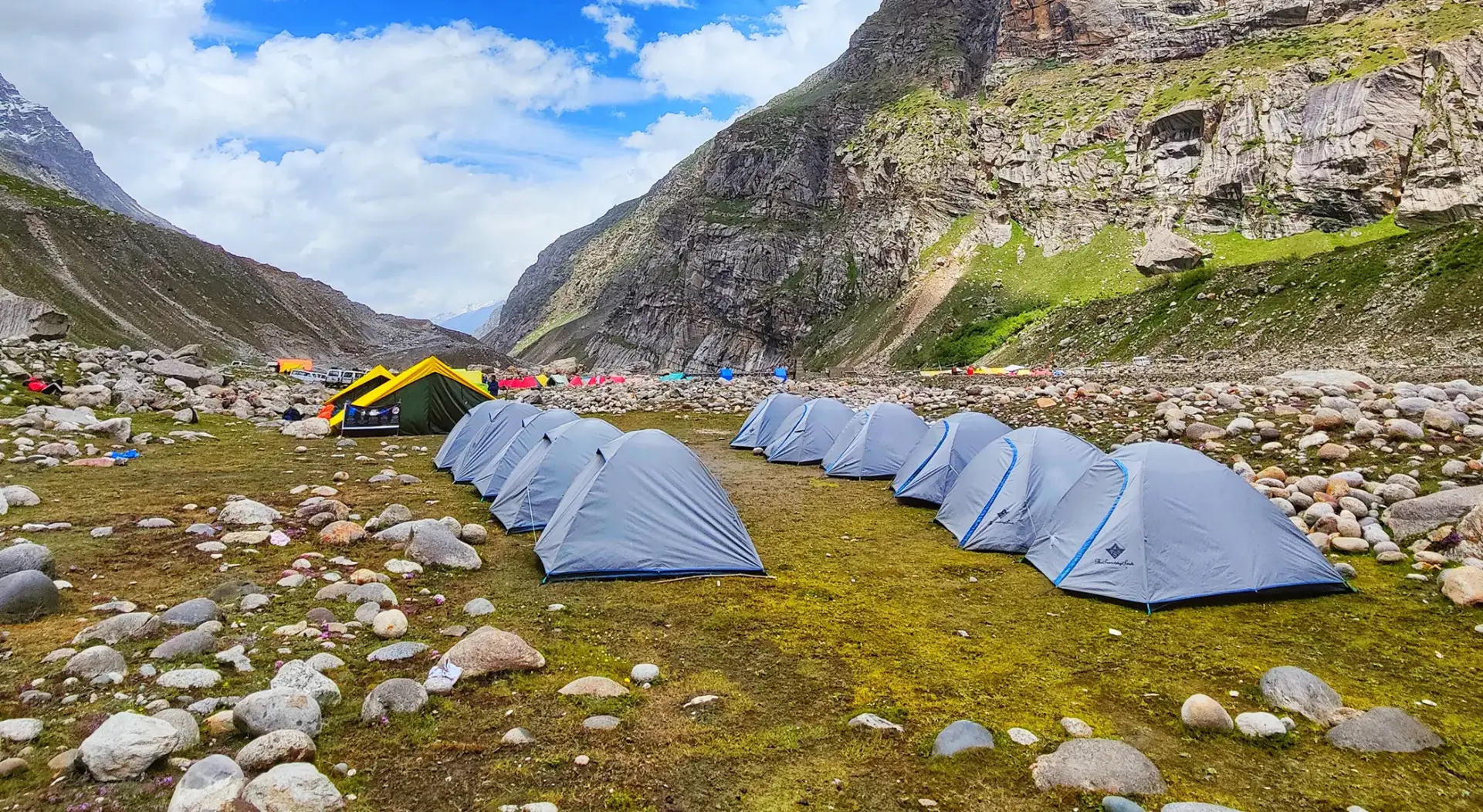
Grahan Trek
Himachal Pradesh
3 Days / 2 Nights
Easy to Moderate
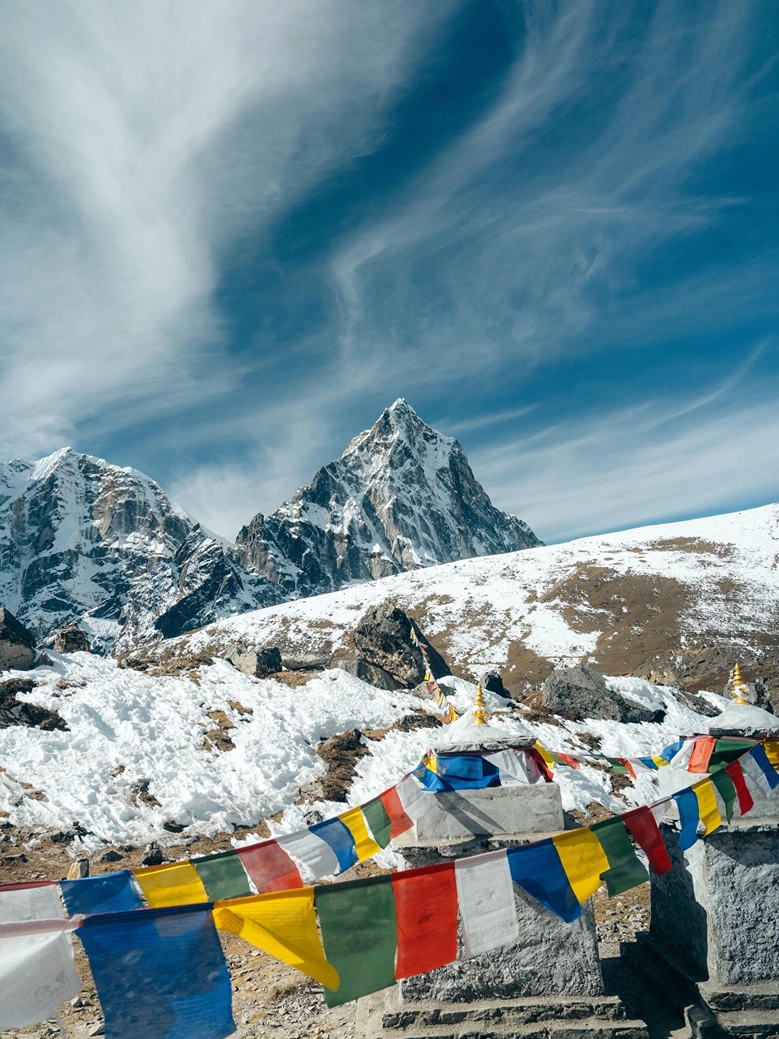
Everest Base Camp Trek
Nepal
15 Days / 14 Nights
Challenging
Annapurna Base Camp Trek via Ghandruk
Nepal
9 Days / 8 Nights
Moderate to Difficult
Prashar Lake Trek
Himachal Pradesh
2 Days / 1 Night
Easy to Moderate

Yulla Kanda Trek
Himachal Pradesh
4 Days / 3 Nights
Easy to Moderate

Beas Kund Trek
Himachal Pradesh
4 Days / 3 Nights
Easy to Moderate

Sar Pass Trek
“The whole Sar Pass experience felt smooth from planning to the last day. The team stayed helpful, calm, and very clear throughout.”
AR
Ananya RawatSar Pass Trek

Hampta Pass Trek
“The itinerary pacing was excellent and the support on trail felt dependable. Every pre-departure question was answered quickly.”
VS
Vikas SharmaHampta Pass Trek
Valley of Flowers
“What stood out most was the communication. Pickup details, stay plans, and trek expectations were shared very clearly.”
NK
Nidhi KapoorValley of Flowers
Tarsar Marsar Trek
“As a solo traveller, I was worried about coordination. The team made the whole journey feel smooth, safe, and well paced.”
PS
Priya SethiTarsar Marsar Trek
Pin Parvati Trek
“The planning support was excellent and the trek crew handled everything with confidence. It felt organized without losing the adventure feel.”
RG
Rohan GuptaPin Parvati Trek
Har Ki Dun Trek
“Every update came on time and the trip flow felt very easy to follow. Great communication before the trek and great energy on ground too.”
DM
Dev MalhotraHar Ki Dun Trek
Kedarkantha Trek
“This was our second trek with BookMyHikes and the consistency really stood out. Good support, clear expectations, and a super comfortable group experience.”
SK
Sana KhannaKedarkantha Trek
Brahmatal Trek
“As first-timers, we always felt looked after. The route briefing, camp support, and overall coordination made the trek feel very approachable.”
MT
Mehul TandonBrahmatal Trek
Credentials
Verified certifications for trusted mountain operations.
Registered for safer departures.