Difficult
Chadar trek
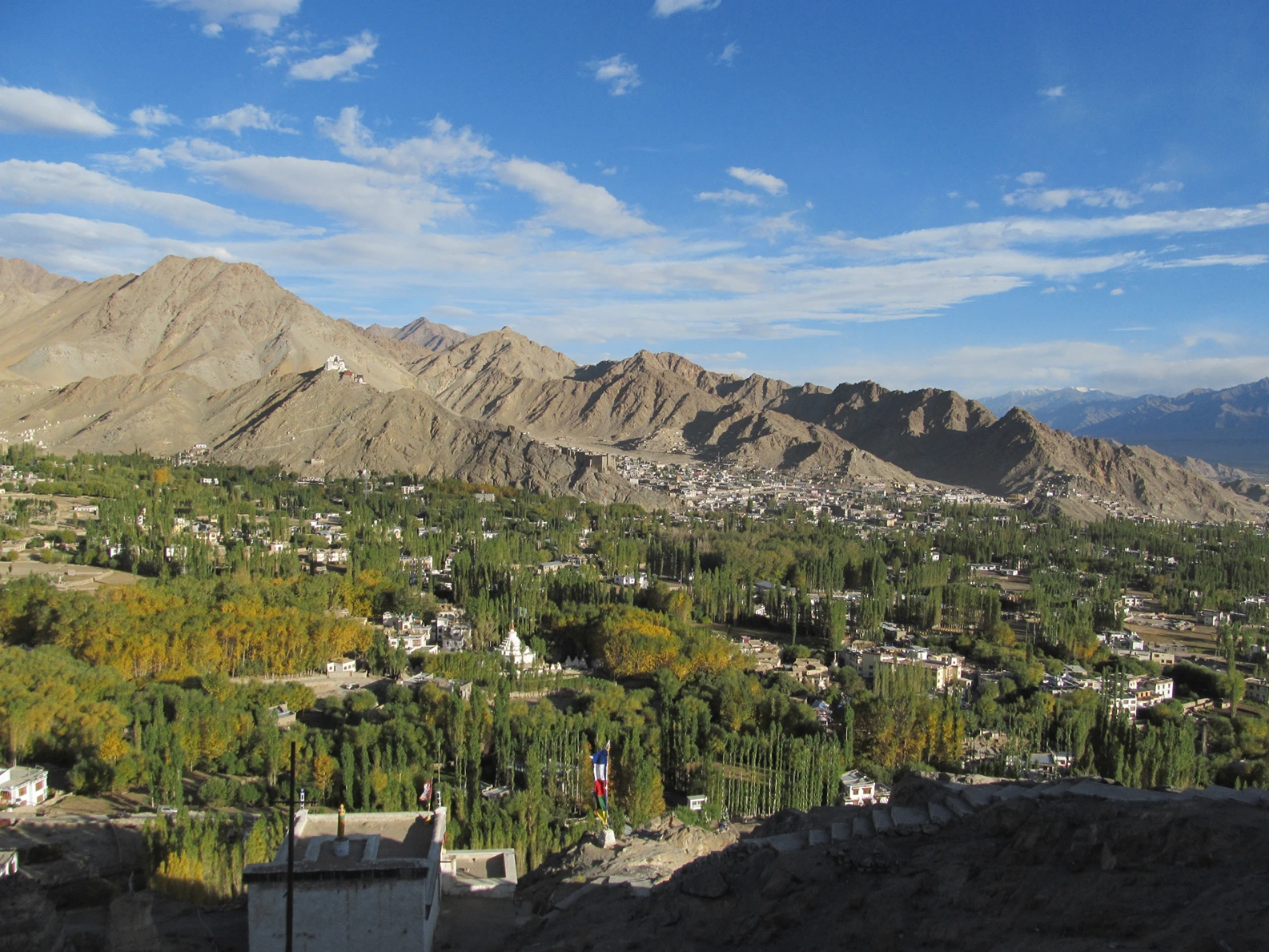
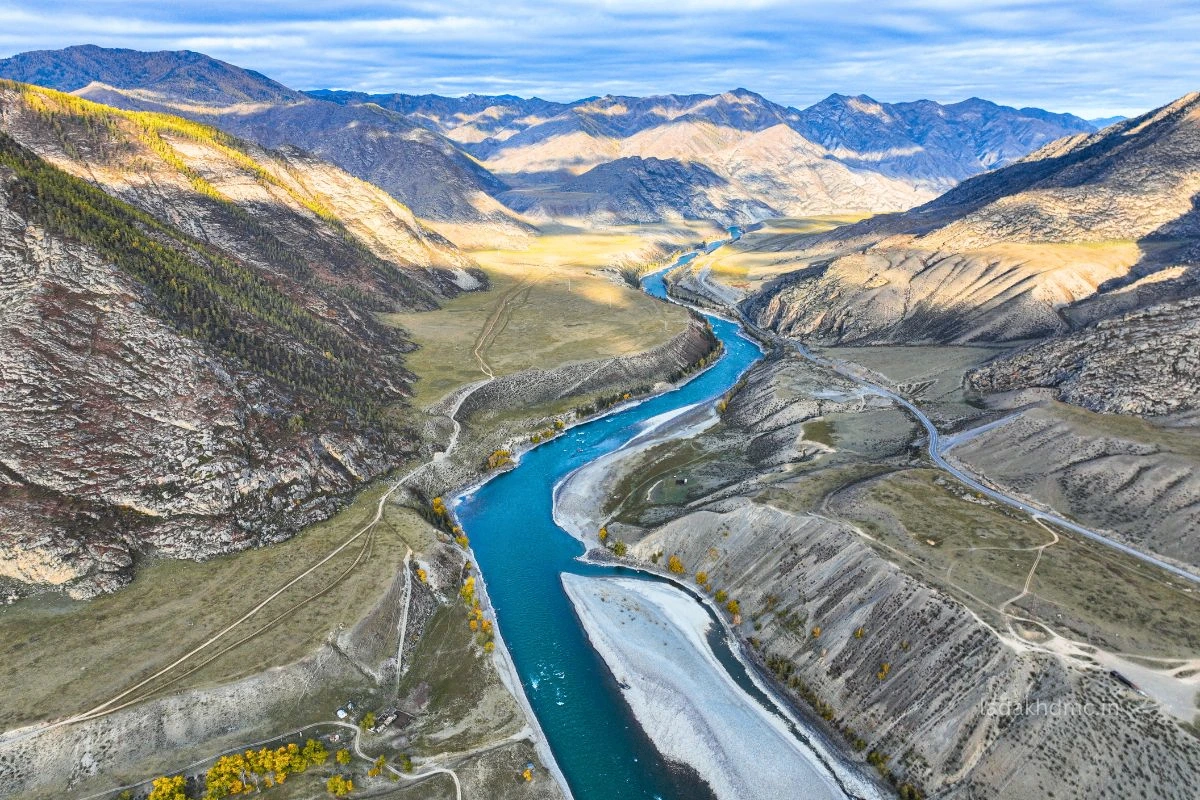
A unique winter trek in Ladakh, traditionally undertaken along sections of the frozen Zanskar River. Surrounded by towering canyon walls and dramatic winter landscapes, the route is known for extreme cold, changing ice conditions, frozen waterfalls, and remote Himalayan scenery.
Days
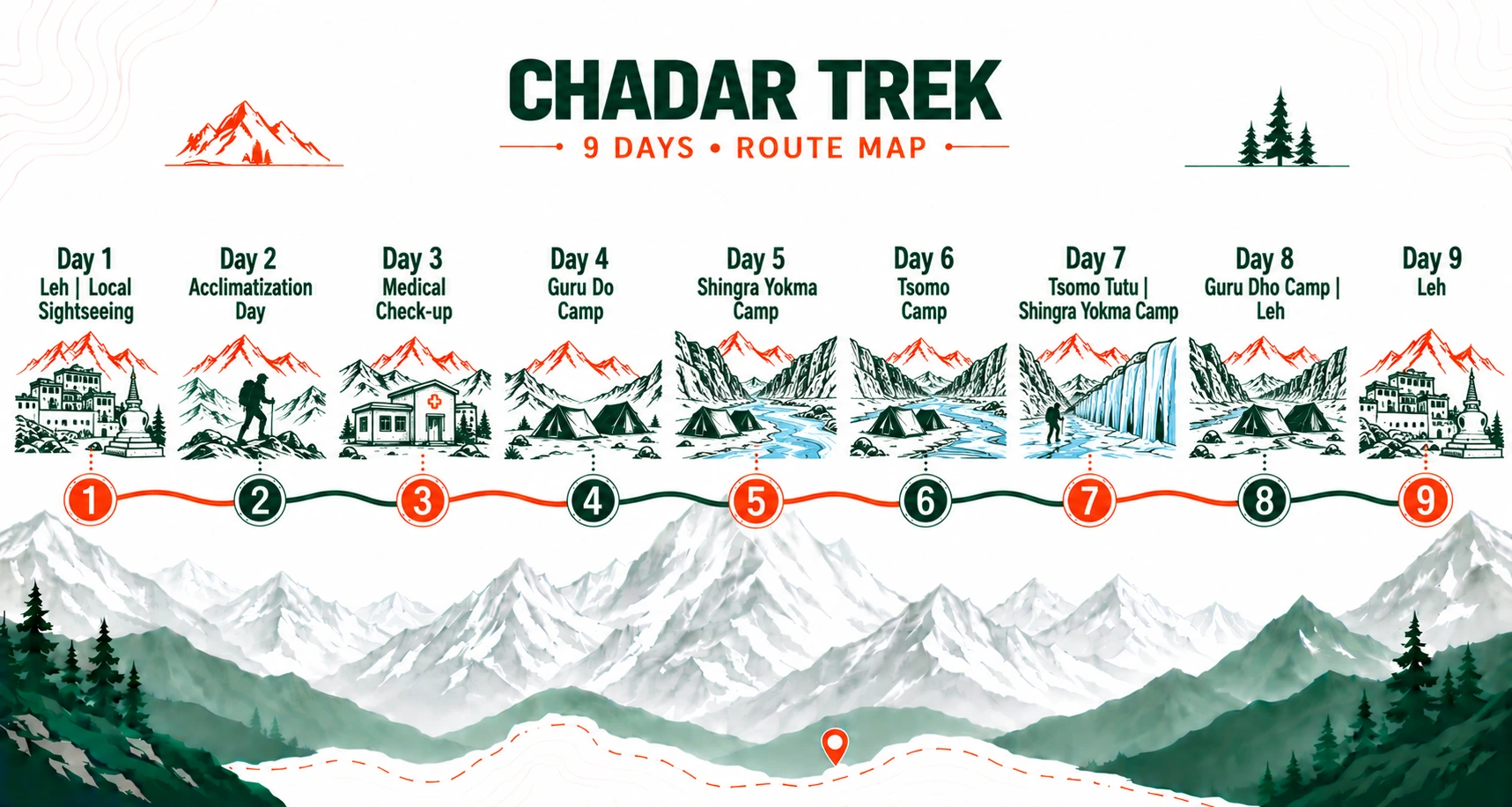
9
Adventure Type
Trekking
Base Camp
Leh
Season
Winter
Month
January | December
Country
India
Altitude
11100 Ft.
Grade
Difficult
Stay
Hotel(Separate male & Female) & Camping
Food
Veg meals while on trek & at Hotel/Guesthouse
Location
Ladakh
Distance
62 Km.
Trail Type
Point to point trail | Camping at the same location upon returning.
AirPort
Leh (Kushok Bakula Rimpochee)
Imagine walking on a surface made of ice and a frozen river. Sounds enthralling? One can have this experience on the Chadar Trek in Ladakh. The Chadar trek is like no other trek in the Himalayas and is the most arduous winter trek in India. This is exactly what makes the experience exciting.
Chadar means ‘Blanket,’ and this trek is named so because the trail consists of trekking on the frozen Zanskar river, which gets covered in a thick blanket of ice as soon as winter commences. As exciting and interesting name this trek has, the experience is indeed the same and additionally, gives you the feeling of being invincible.
This 9 days-long trek will have you experience the strongest you have been – both mentally and physically. It is indeed a rewarding trek, with a better you that will flourish more in life additionally, with the best adventurous memories from here. However, one can find frozen rivers or frozen lakes on other treks too but the experience of the Chadar trek remains completely different and exciting.
Walking on a thick glass made of ice having huge and lofty mountains on both sides is an experience of a lifetime. The Chadar trek offers an opportunity to explore and experience the Zanskari and Ladakhi culture and hospitality. Apart from all this, the frozen waterfalls that you see during Chadar Trek leave you in awe. The best months to do this trek are January and February and seeing the difficulty level, the trek is not recommended for beginners.

Tax Benefit
+5% GST (goods and services tax).
Services
Leh to Leh.

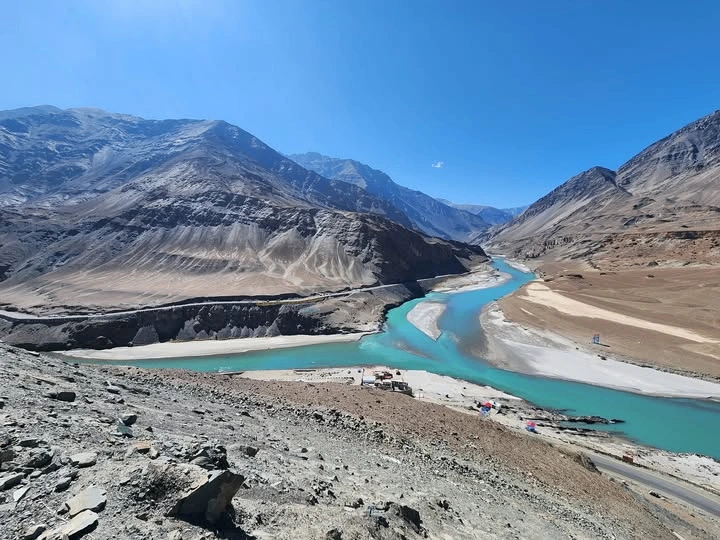
Confluence of Indus and Zanskar Rivers
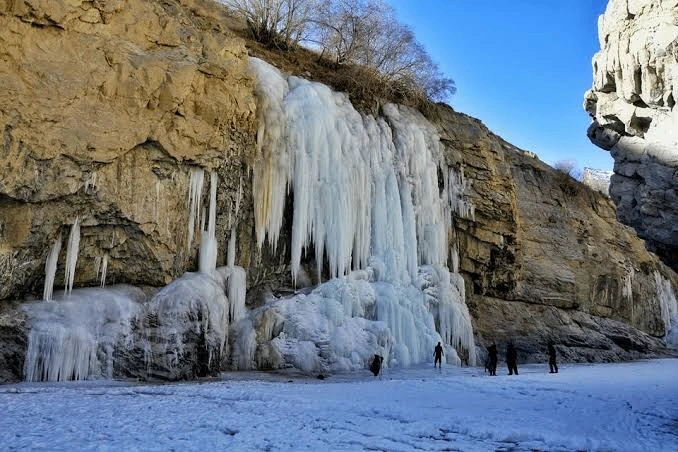
frozen water fall
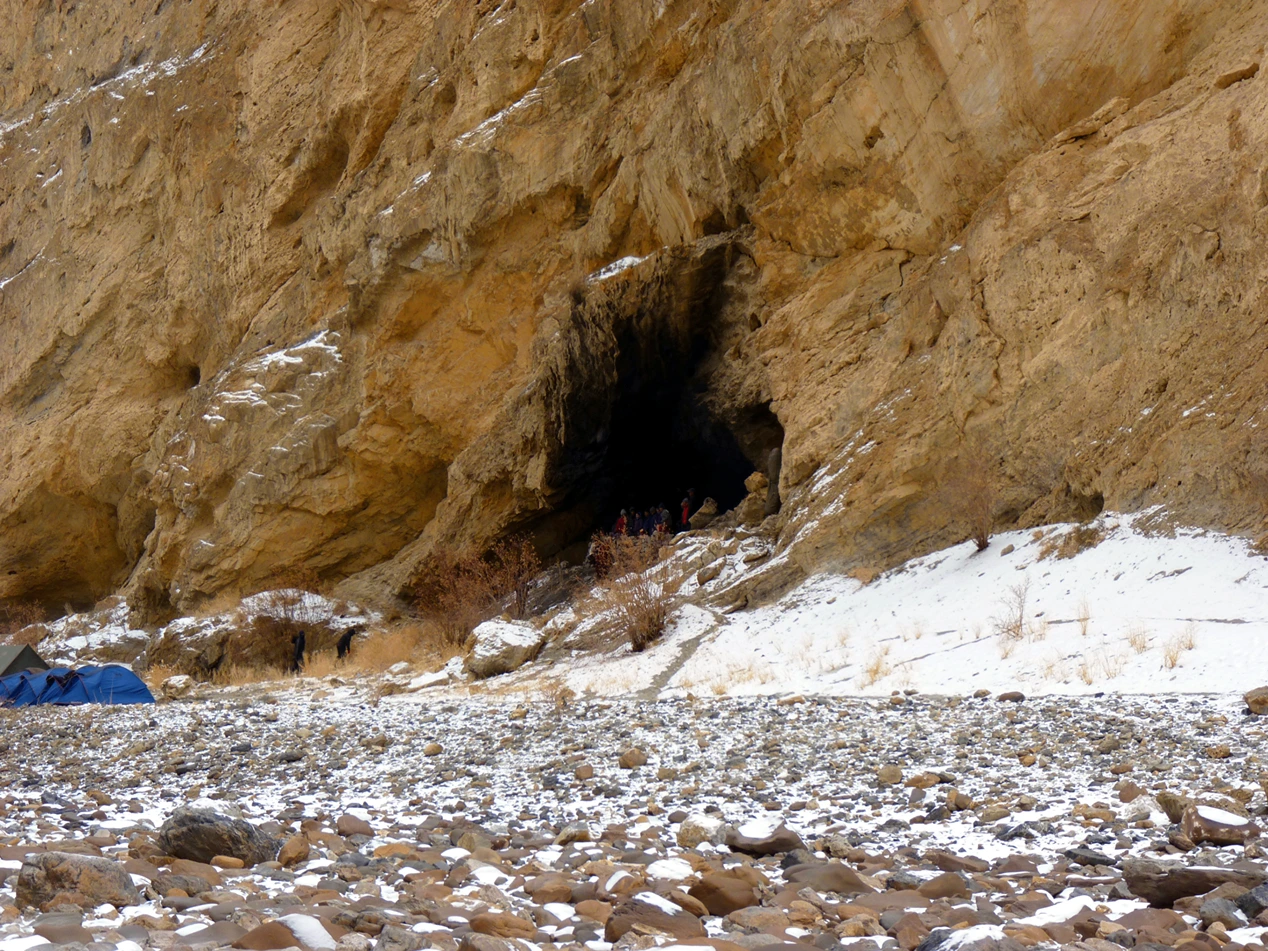
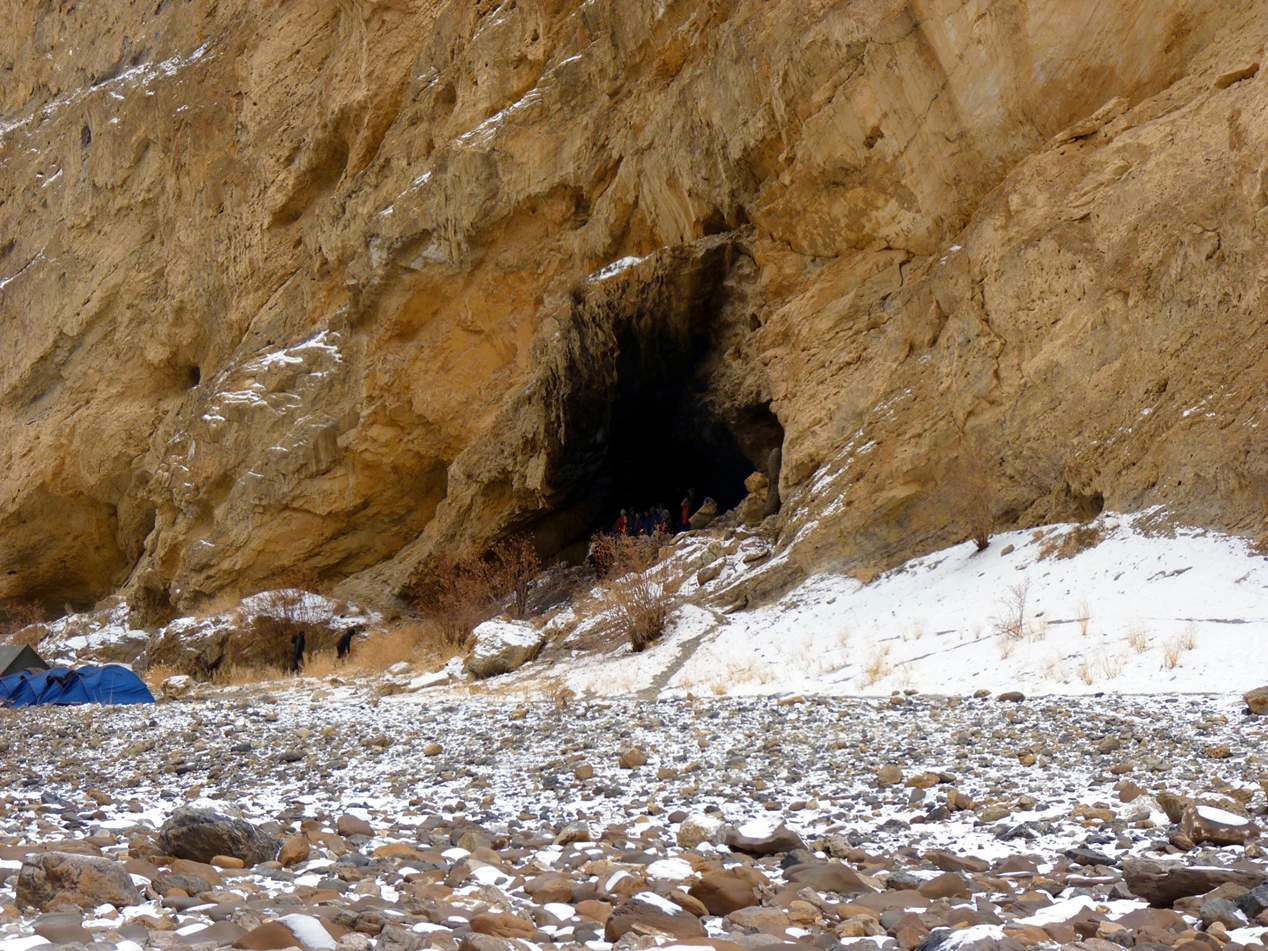
Tibb Cave
Nerak Village
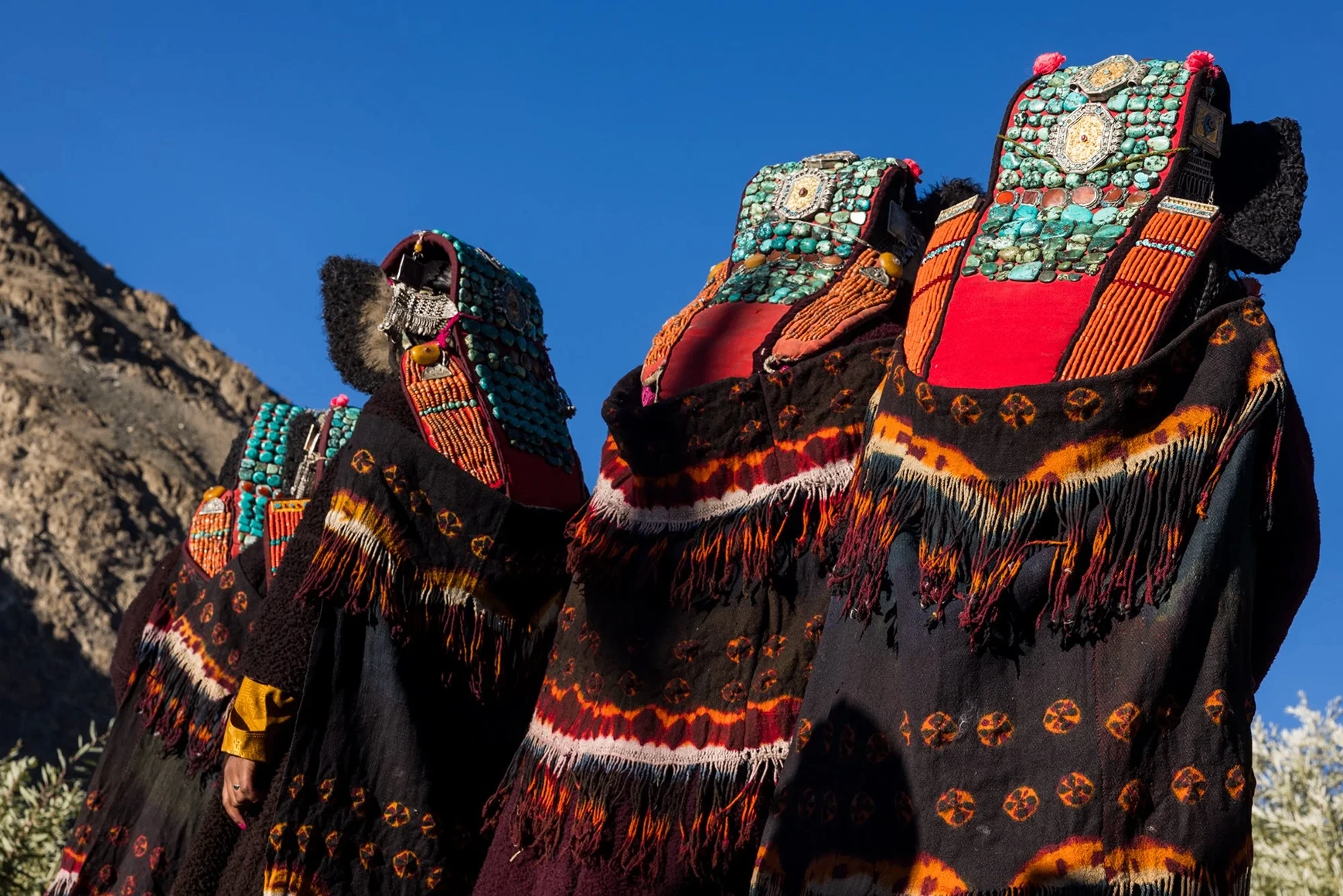
Zanskari culture
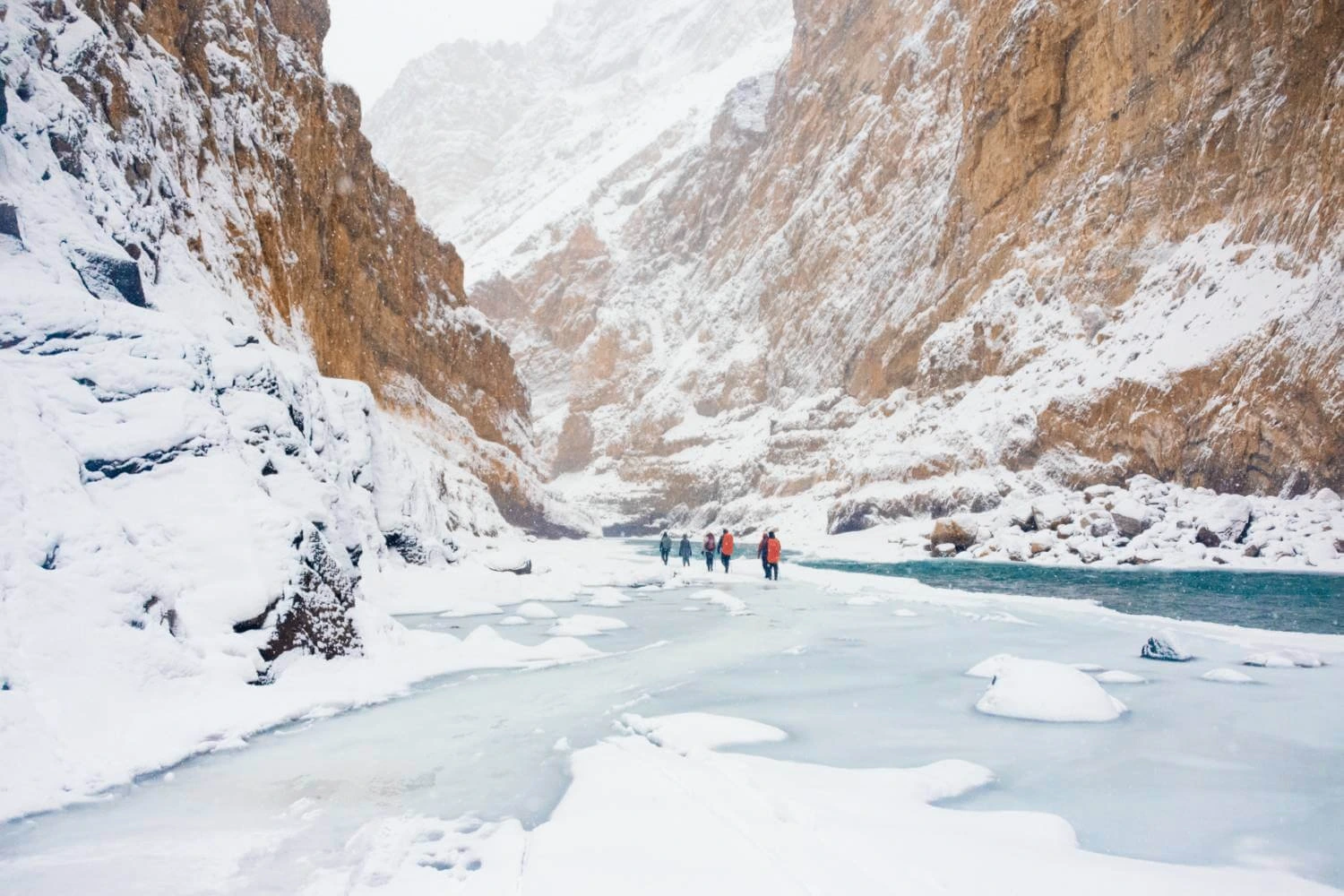
Snow Wonderland
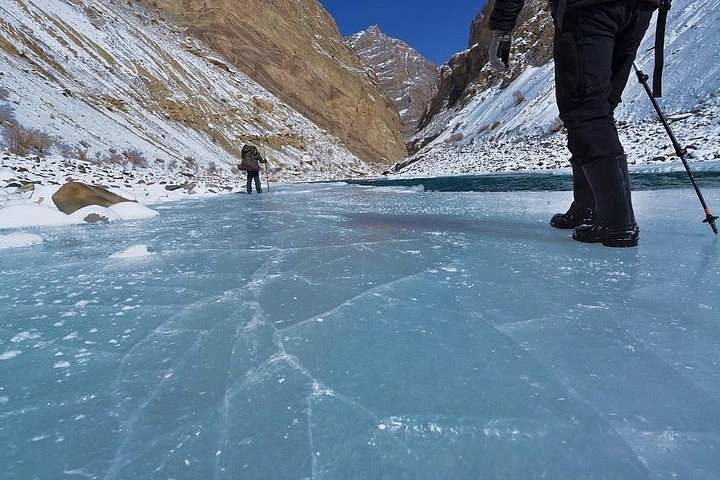
Freezing lake Trail
Zanskar River
01
DAY
Arrival in Leh | Local Sightseeing
- We will arrive in Leh and check into our designated stay. After a brief introductory session, we will spend the rest of the day at leisure.
- Travelers are advised to explore Leh Town, explore the Cafes in Leh, and indulge in local sightseeing in the evening.
- Dinner followed by an overnight stay in Leh.
- Note: This day spent in Leh is for acclimatization purposes.
02
DAY
Acclimatization Day
- After early morning breakfast, we’ll head for a sightseeing tour.
- We will visit the Shanti Stupa and explore the Leh Market in the evening. If time permits, we will explore other attractions in Leh as well.
- Dinner and overnight stay in Leh.
- Note: The Chadar trek requires trekkers to be properly acclimatized and hence we need to spend at least two days in Leh.
03
DAY
Medical Check-up
- We’ll head to get a thorough medical check-up at SNM Hospital. Due to the perplexing nature of this specific trek, participants must obtain medical certification before undertaking the Chadar trek as per the government.
- A clearance certificate will be issued after a medical check-up and trekkers will only be allowed to embark on the Chadar Trek if they are found to be fit and are properly acclimatized.
04
DAY
Trek to Guru Do Camp
- After enjoying morning tea and breakfast, we’ll drive towards Nimoo where we can witness the confluence of the Indus River and the Zanskar River. This ride is not for the faint-hearted as jagged roads and hairpin bends make this a tricky drive. The sight of the surrounding mountain ranges makes for a scenic ride that you’ll enjoy.
- Upon reaching Nimoo, We will start our trek to Guru Do Campsite. After walking on multitudes of icy surfaces, you’ll slowly start to understand the pattern of walking. Soon, you’ll reach the campsite.
- Dinner followed by an overnight stay at the Guru Do Camp.
05
DAY
Trek to Shingra Yokma Camp (6 Hours)
- In the morning, we will have hot tea and breakfast. After that, we will start trekking towards Shingra Yokma Camp which is our next campsite.
- Enroute, you will encounter some of the most enchanting frozen waterfalls. As you keep walking, you’ll come across one of the breathtaking views you could ever witness. While you trek you can see the deep cliffs on both sides of the valley.
- En route, we’ll have our packed lunch.
- Upon reaching Shingra Yokma Camp, we will set up camps and spend the rest of the day at leisure. This camp is widely used by locals who transverse through the valley
- Dinner followed by an overnight stay in camps.
06
DAY
Trek to Tsomo Camp
- After having breakfast in the morning, we will head towards the most anticipated campsite which is Tsomo camp.
- While trekking we will witness many stunning gorges. You will be amused to see the Summit Point at Tsomo Spring Waterfalls. All your efforts will be worth this moment.
- Hot lunch will be served on your way to the Tsomo campsite.
- Trekkers are advised to wear proper layers to stay safe from the freezing cold.
- We will set up camps at a distance of 15-20 minutes from the waterfall.
- Dinner followed by overnight stay at Tsomo Camp.
07
DAY
Trek to Tsomo Tutu | Return back to Shingra Yokma Camp
- After early morning breakfast, we will trek to Tsomo Tutu.
- After spending enough time in Tsomo Tutu we will head back to our campsite at Shingra Yokma Camp. We will be retracing our steps back, admiring the beauty of the mystical frozen Zanskar.
- Upon reaching the campsite at Shingra Yokma Camp, we’ll spend the rest of the day at leisure.
- Dinner followed by an overnight stay in Shingra Yokma Camp
08
DAY
Trek back to Guru Dho Camp and back to Leh
- After having early morning breakfast, we will head out of Shingra Yokma Camp and move towards Guru Dho Camp
- En route, you might get a chance to see paw prints of wild animals like snow leopards, ibex, and foxes.
- All the way you will be walking above the thick ice of chadar.
- In the evening, We will drive back to Leh and spend the night at our designated stay.
09
DAY
Departure from Leh
- After early morning breakfast, we will check out from the hotel.
- The group will part ways with fond memories of the trek
- Departure from Leh.

One of the most common questions before any Himalayan trek is simple: what should you pack? A smart packing list keeps you comfortable on the trail without making your backpack unnecessarily heavy.
The easiest way to pack is to go step by step, either from head to toe or toe to head. That simple pattern helps you stay organized and lowers the chance of forgetting essentials.
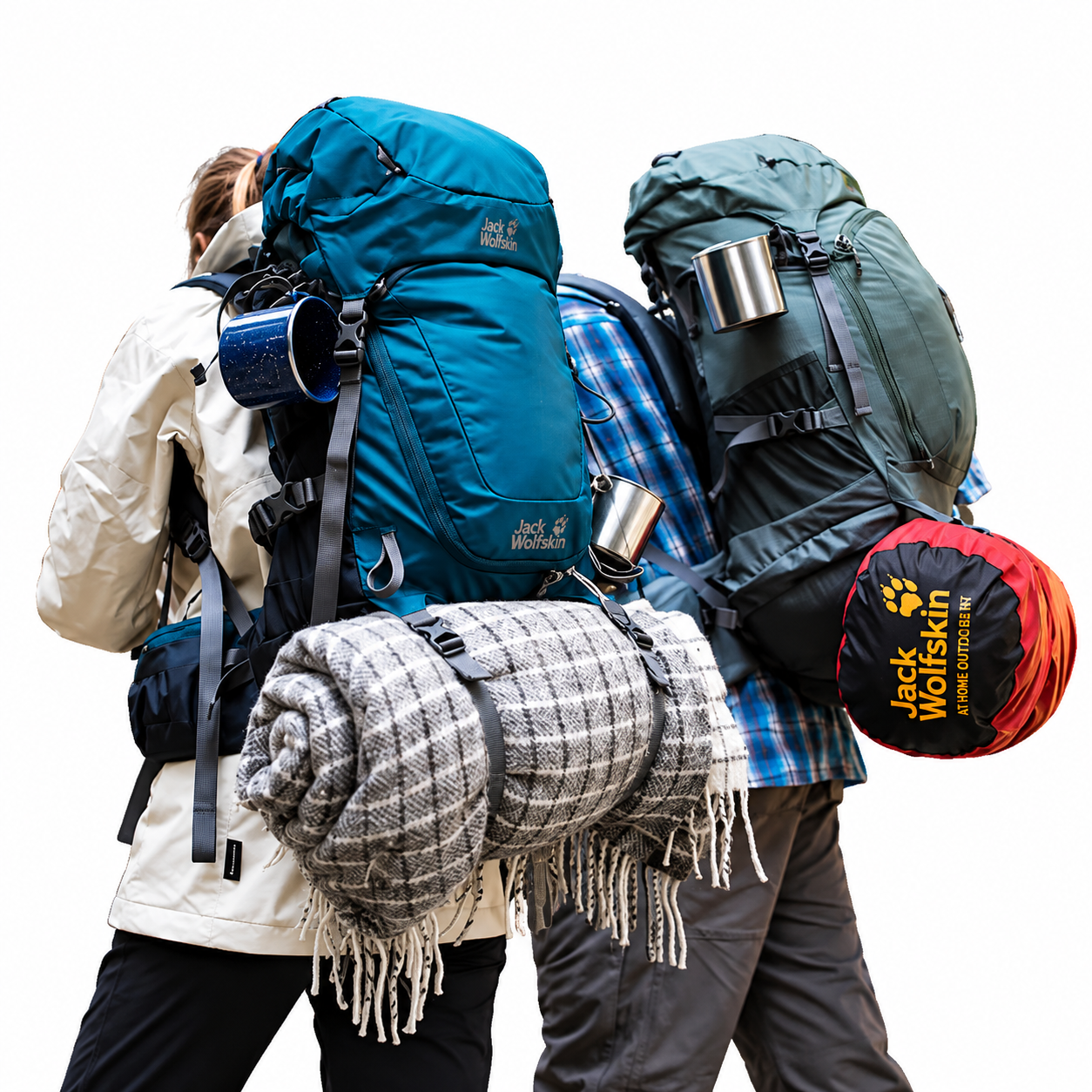
01 Backpacks
Choose a backpack that feels comfortable on your shoulders and hips. For a week-long trek, a 60 to 70 liter backpack is usually enough for your clothing, gear, and personal essentials.
- Main backpack: Good hip support, shoulder support, and easy-access pockets.
- Daypack: Useful for short hikes, sightseeing, and carrying daily essentials when the main bag is not needed.
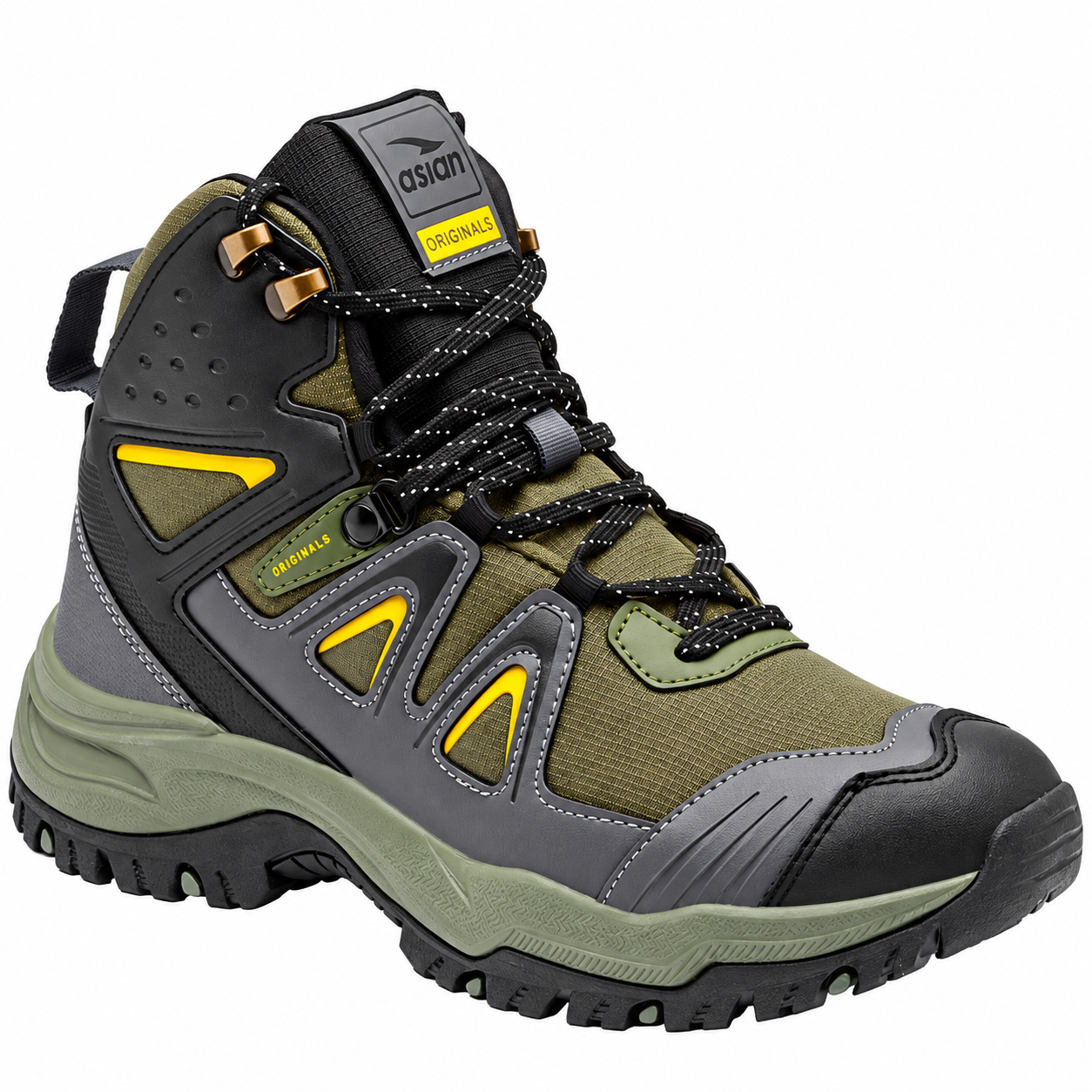
02 Footwear
- Trekking shoes: Prefer waterproof shoes with high-ankle support.
- Walking or hiking sandals: Great for camp use, resting your feet, or stream crossings.
- Sneakers: Optional, but useful for travel days or relaxed time around camp.
- Socks: Carry 3 to 5 pairs that are warm, comfortable, and quick-drying.
03 Clothing Layers
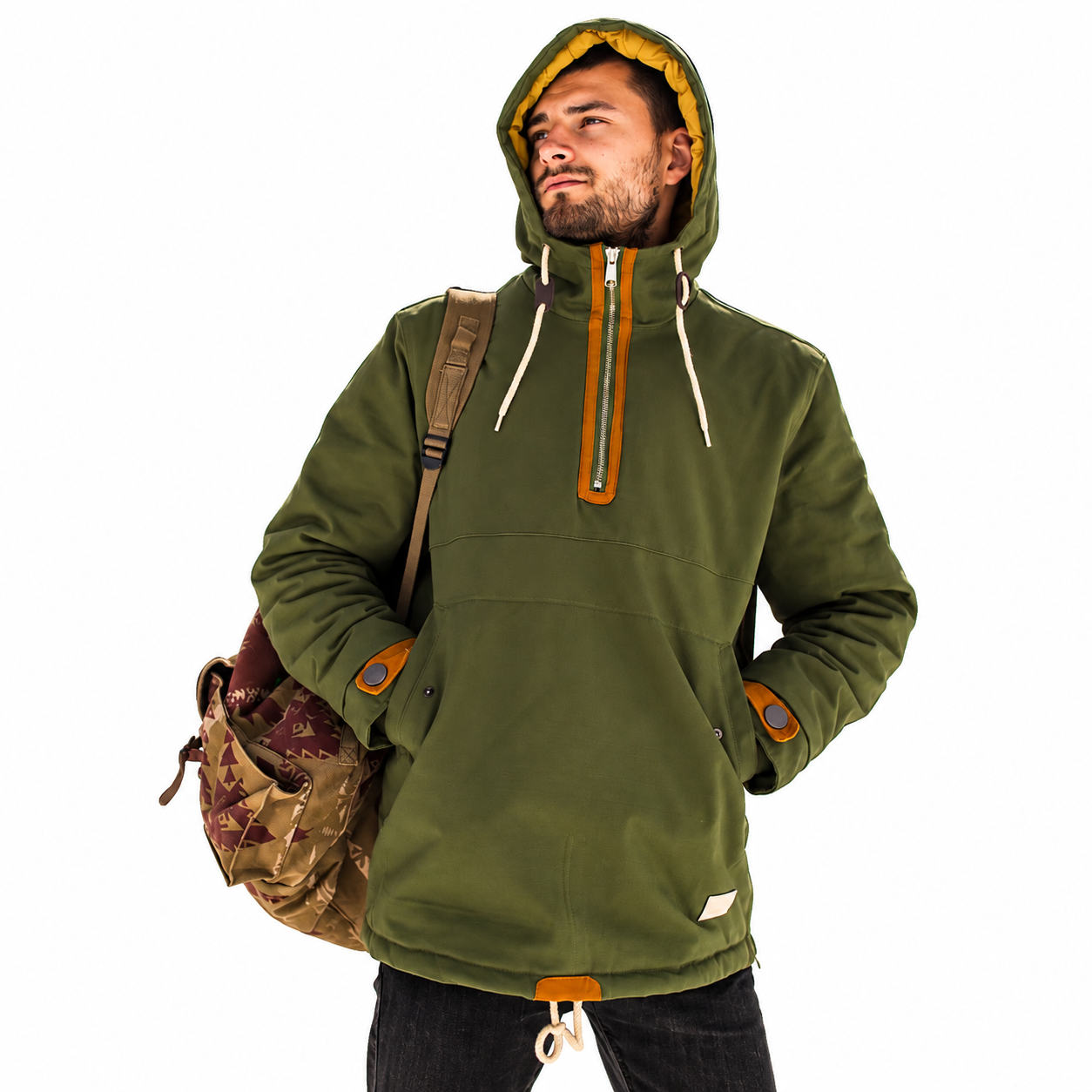
- Jacket: A good quality hiking or trekking jacket for layering.
- Pants: Lightweight, quick-drying trekking pants, plus a warm lower layer for colder nights.
- T-shirts and base layers: Carry 3 to 4 warm, comfortable tees along with a long-sleeve layer.
- Thermals and leggings: Two pairs of thermals and warm leggings are ideal for cold mornings and evenings.
- Undergarments: Pack according to your personal requirement.
- Buff or balaclava: Essential for protecting your neck and throat from wind and cold.
- Beanie cap and hiking hat: A beanie helps in cold weather, while a sun hat protects you during the day.
- Gloves: One warm pair is usually enough.
04 Rain Protection
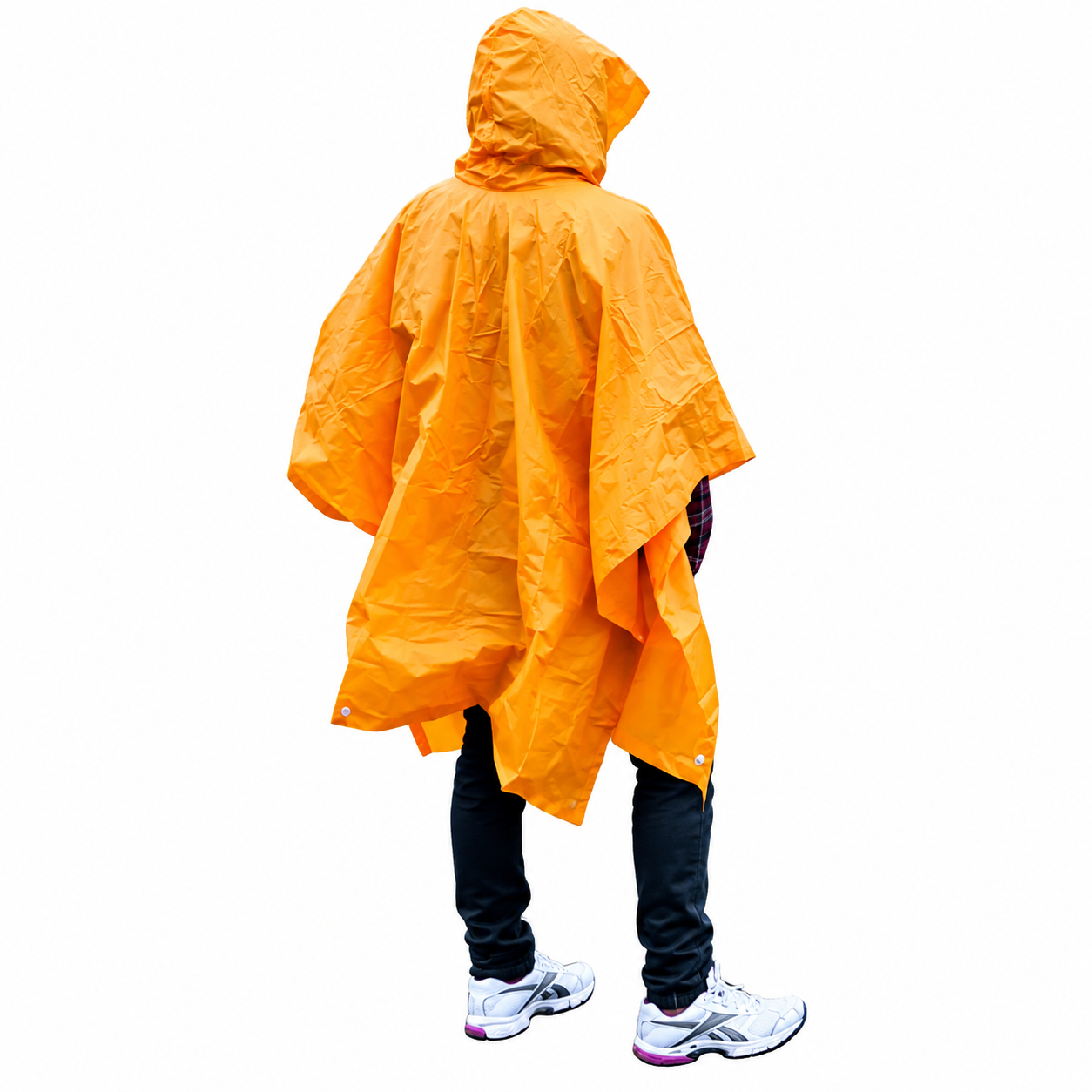
- Raincoat and rain pants: Helpful in changing mountain weather.
- Rain poncho: A practical option during longer spells of rain.
- Rain covers: Carry waterproof covers for both your backpack and daypack, especially for gadgets.
05 Gadgets and Useful Extras
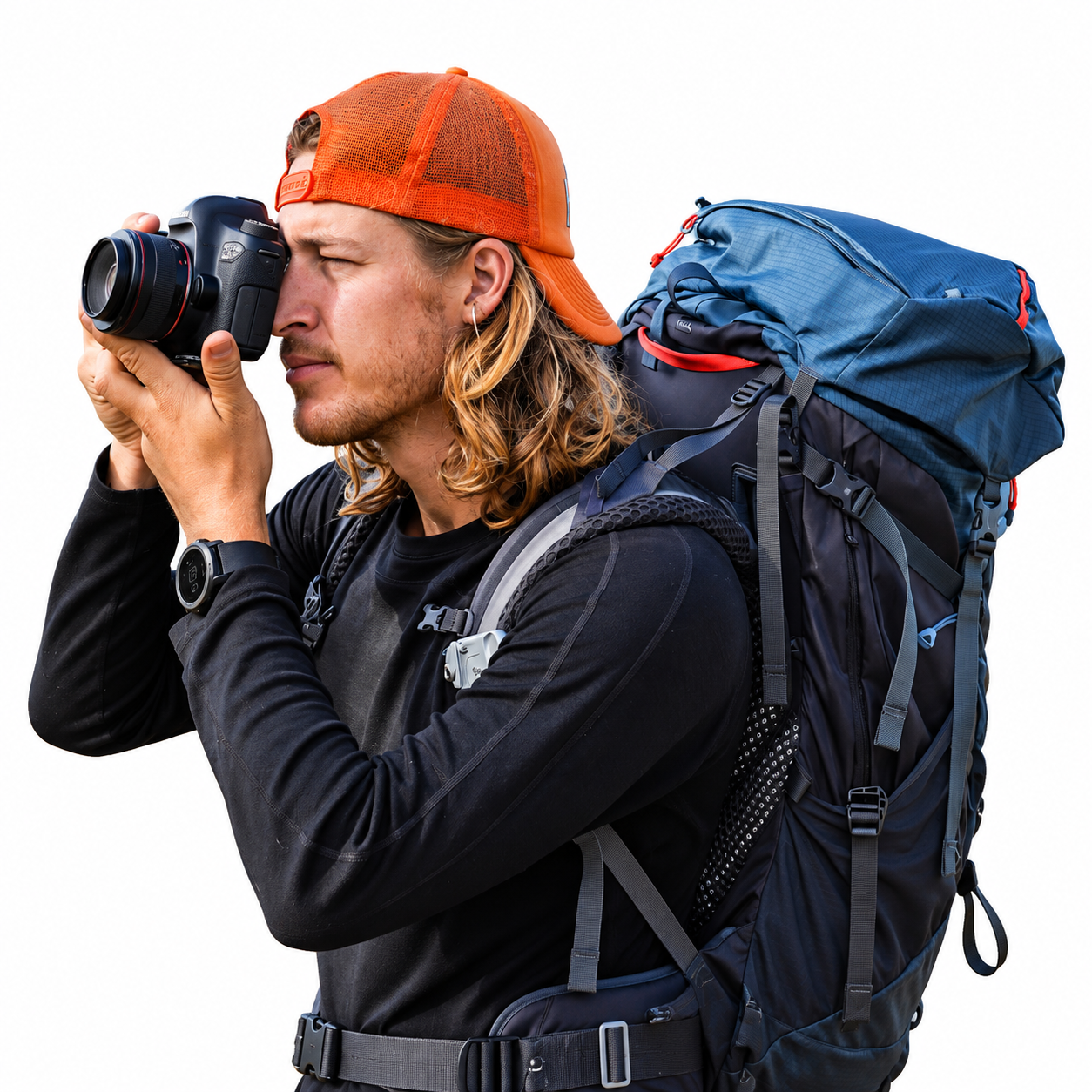
- Trekking poles, mobile phone, camera, and spare batteries.
- Power bank, lightweight flashlight or headlamp, and waterproof ziplock bags for electronics.
- Plug or converter, sunglasses, and a 1 liter water bottle.
- A journal and pen, a good book, and a map or guidebook if you enjoy documenting the journey
06 Hygiene and Toiletries
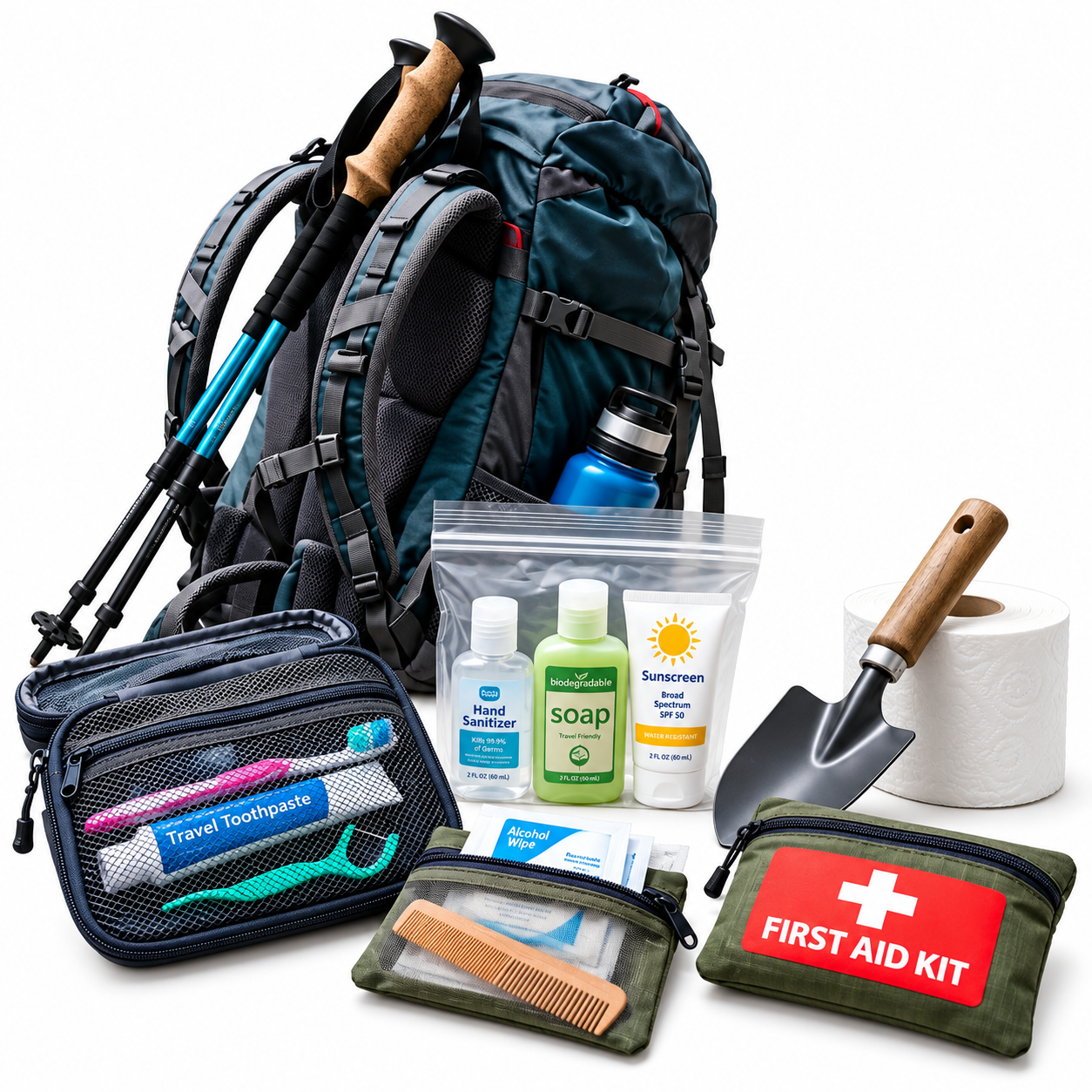
- Sunscreen with UV protection and lip balm or salve.
- Quick-drying towels, toilet paper, tissues, or wet wipes.
- Toothbrush, toothpaste, mouth freshener, shampoo, deodorant, and talcum powder.
- Biodegradable soap, nail clipper, and any personal daily-use items.
- Sanitary pads or tampons if needed.
07 First Aid and Energy
Carry a personal first-aid kit with the basics you may commonly need on an adventure trip, and always consult your doctor before taking any medicine.
- Antiseptic wipes or water syringe, butterfly bandages, sterile gauze pads, and elastic bandages.
- Latex gloves, medicines for upset stomach, cold, flu, fever, headache, and basic pain relief.
- ORS sachets, pain relief spray, bug repellent, and any prescription medicines you already use.
- Medicine for high altitude concerns such as Diamox or a similar alternative, only after medical advice.
- Carry some energy bars and non-alcoholic energy drinks for quick support on the trail.
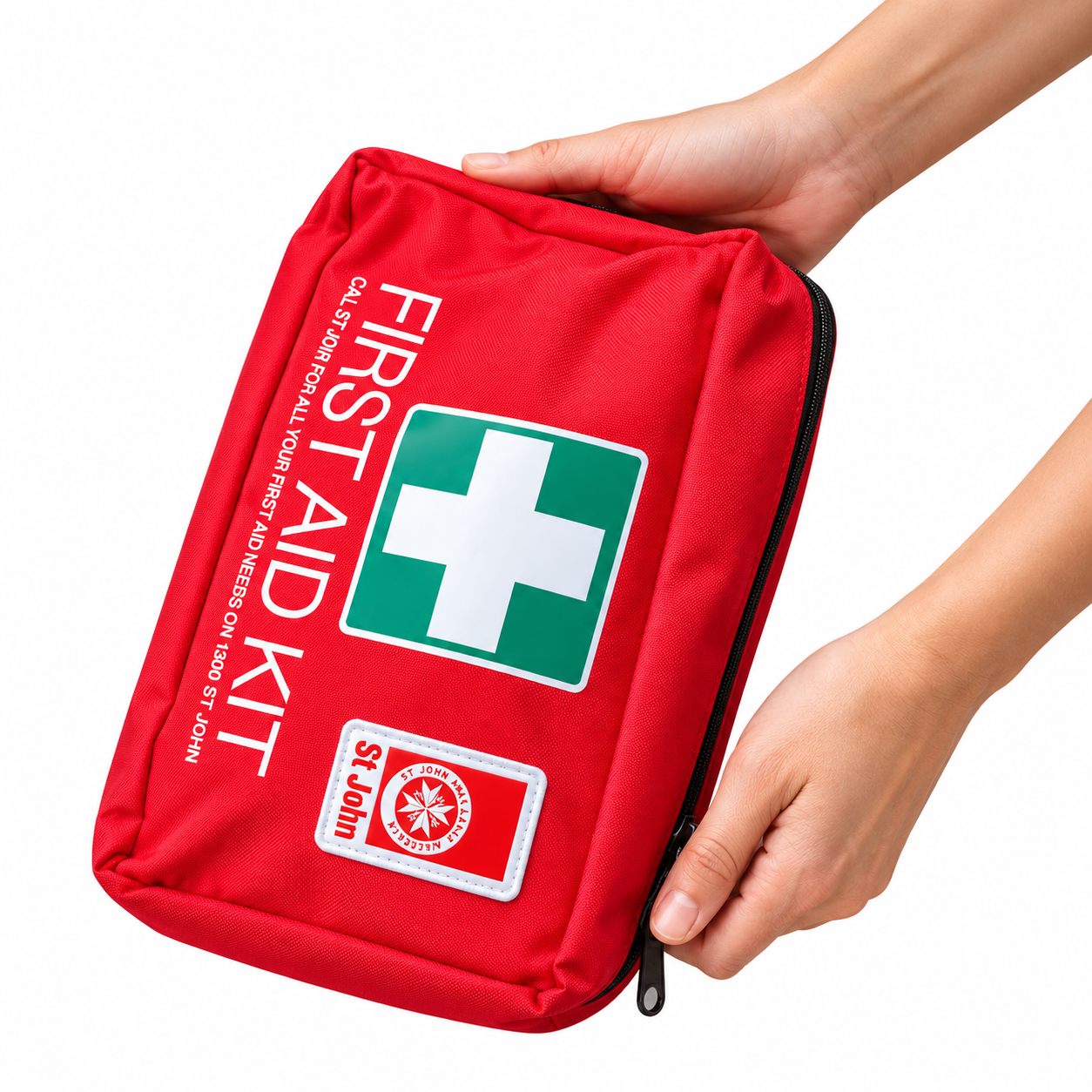
Important note: Check what gear can be rented or purchased through BookMyHikes and what you should bring from home. Keeping your backpack light makes the trek more comfortable and enjoyable.

Inclusions
- Accommodation:Stay in Leh guest house on a Triple / Quad sharing basis as per itinerary. Stay in Alpine / Dome tents during the trek on a Triple sharing basis.
- Transportation:Transportation from Leh to Trekking point on Day 4th and back to Leh guest house on Day 8th.
- Meals:Breakfast only in Leh (Day 2 – Day 4 and Day 9th). All veg meals during the trek from Day 4th lunch to Day 8th breakfast.
- Camping logistics:Common Kitchen, Dining, and Toilet tents during the trek. Porter for carrying camping logistics.
- Others:Hot Water on request while staying in Leh.
- Trek Leader:Qualified and Experienced Trek guide and Support staff.
- Trekking Equipment:Sleeping bag, Mattress
- Safety Equipment:Basic First Aid Kit with Oximeter and Oxygen Cylinder.
- Other Facility:Keeping extra luggage in Leh Guest House.
Exclusions
- ALTOA Fees ( Wildlife fees, Environment tax, Insurance, Evacuation charges, Forest permit, Medical checkup, Camping charges).
- Any Surface transfer from Leh Airport to Guest House and back.
- Expenses of personal nature.
- Personal Trekking Equipment like Gum Boots, Trekking Pole, and others.
- Room Heaters at Guest House in Leh ( we suggest not use the room heaters as it dehydrates the body).
- Porter for carrying personal luggage.
- Anything which is not mentioned in the inclusions.

Life is unpredictable and we understand sometimes you have to cancel or change your trip dates and it is our endeavour to make it as easy possible for you. However, please understand we plan everything including guide fees, permits, accommodation and ration in advance. Therefore, any cancellation means inconvenience and certain losses to the people involved in various stages of programme. Keeping that in mind, our cancellation charges are as below :
Cancellation Timeline
-
30 days before the event Best cancellation window with the lowest deduction.Deduction 15% Lowest cutReturn 85% Monetary Refund Into original payment mode
-
15-30 days before trek start Moderate cancellation window before core ground arrangements intensify.Deduction 50% Mid-stage cutReturn 50% Cash Voucher Valid for 12 months
-
Less than 15 days before trek start Late cancellation window after trek operations are mostly aligned.Deduction 100% Higher cutReturn No Refund
Voucher Rules
After applicable cancellation deductions, the remaining amount is refunded only in the form of a trek voucher. The voucher can be used for any trek, tour, or yatra booked with BookMyHikes.
The trek voucher is valid for 12 months from the date of issue.
The voucher must be used for the same number of persons for whom it was issued.
The voucher cannot be redeemed as a cash refund and cannot be extended beyond its expiry date.
To redeem a voucher, email BookMyHikes 15 to 20 days before the new trip date.

What is the difficulty level of the Chadar Trek?
Chadar is considered a difficult winter trek. Although the route may not involve extreme altitude compared with some Himalayan treks, severe cold, slippery ice, long walking hours, and rapidly changing river conditions make it physically and mentally demanding.
What is the maximum altitude of the Chadar Trek?
The traditional Chadar route generally reaches elevations of around 11,000–11,500 ft, depending on the exact itinerary and turnaround point.
What is the best time to do the Chadar Trek?
Traditionally, the trek is attempted during January and February, when sections of the Zanskar River may freeze sufficiently. However, conditions vary each year, so current ice conditions and official permissions must be checked before planning.
Is the Chadar Trek suitable for beginners?
It is not an ideal first trek. Participants should have strong physical fitness, be comfortable in extreme winter conditions, and undergo proper acclimatization in Ladakh before starting.
How many days are required for the Chadar Trek?
Traditional itineraries generally take around 7–9 days, including acclimatization and trekking days. The duration can vary according to the route, weather, ice conditions, and local regulations.
What makes the Chadar Trek special?
The trek is famous for the unusual experience of walking along a frozen river through the Zanskar Gorge, surrounded by massive rock walls, ice formations, frozen waterfalls, and stark Ladakhi winter landscapes. Because conditions and access can change, trekkers should verify the trek’s current operational and regulatory status before booking.

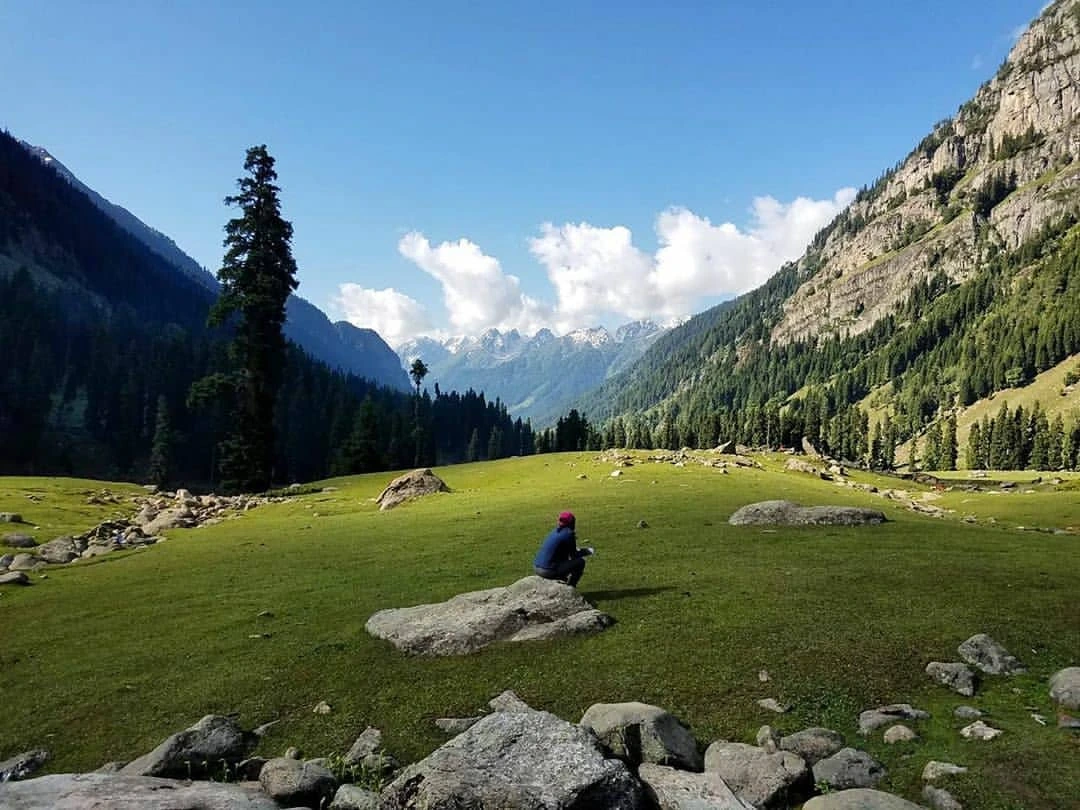
Tarsar Marsar Trek
Kashmir
7 Days / 6 Nights
Moderate
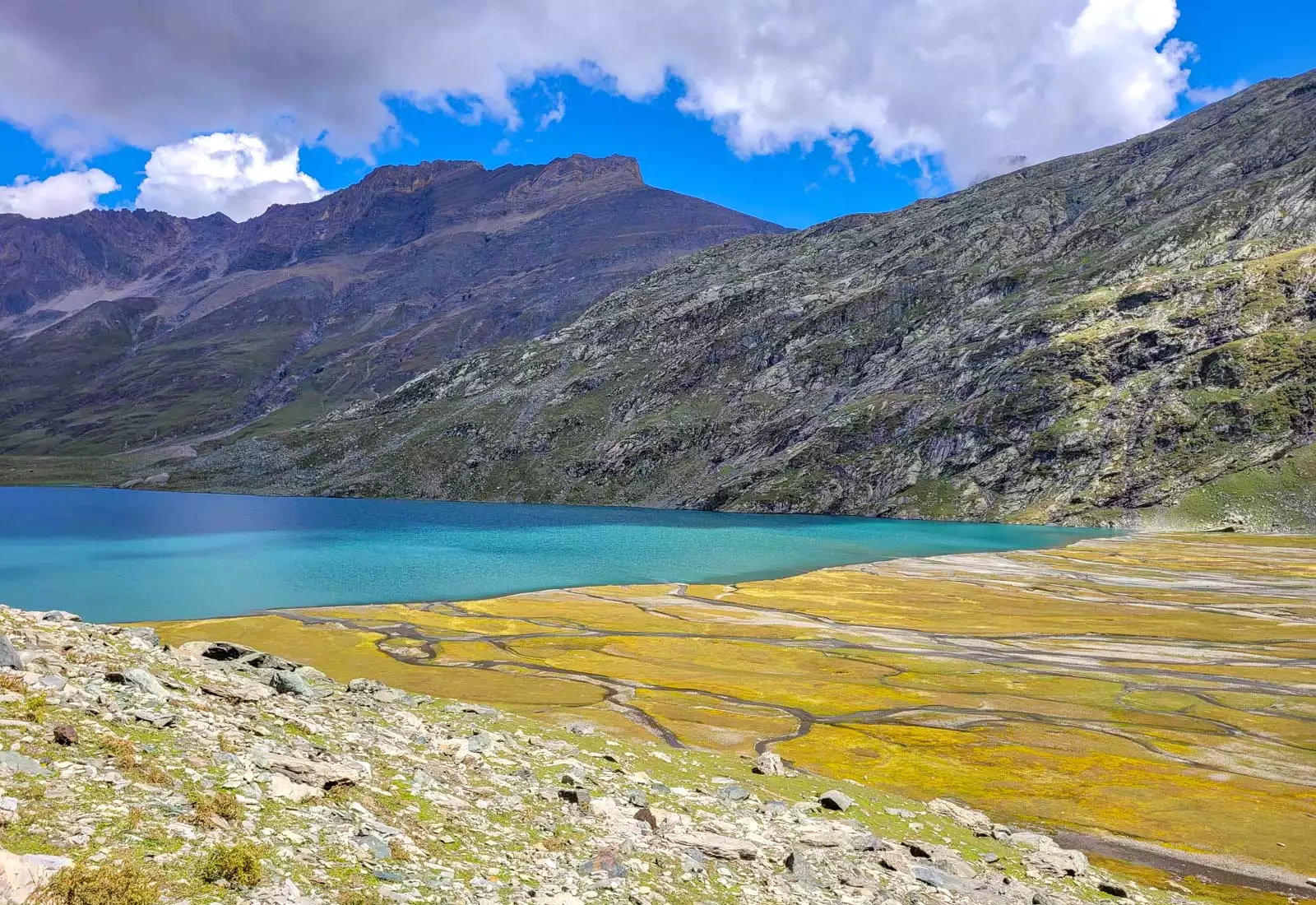
Nafran Valley Trek
Kashmir
7 Days / 6 Nights
Moderate to Difficult
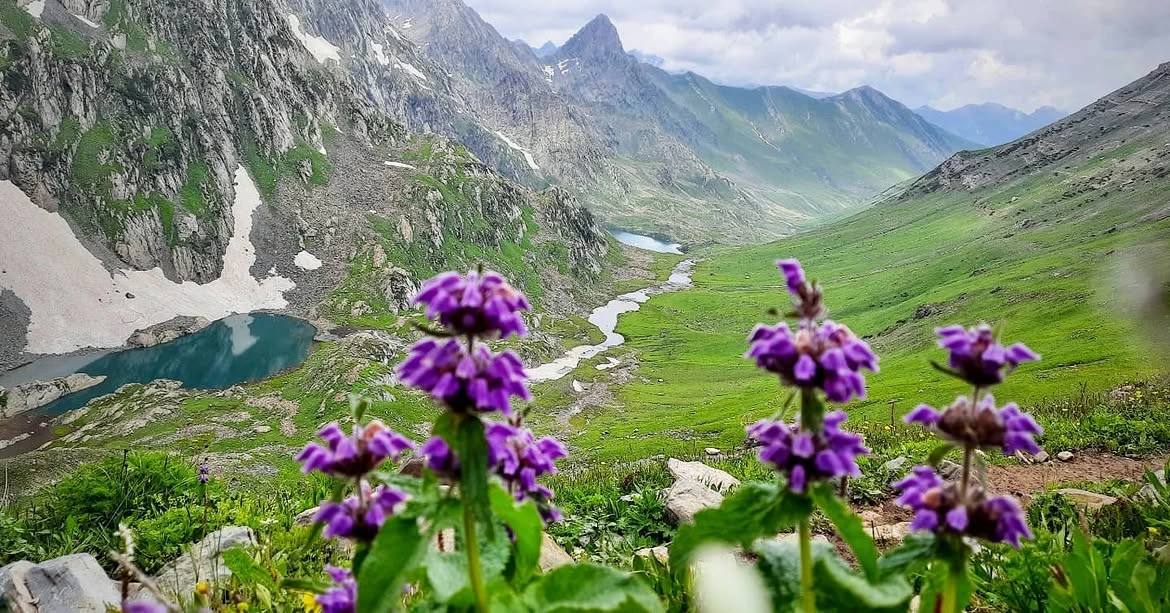
Kashmir Great Lakes Trek
Kashmir
7 Days / 6 Nights
Moderate to Difficult
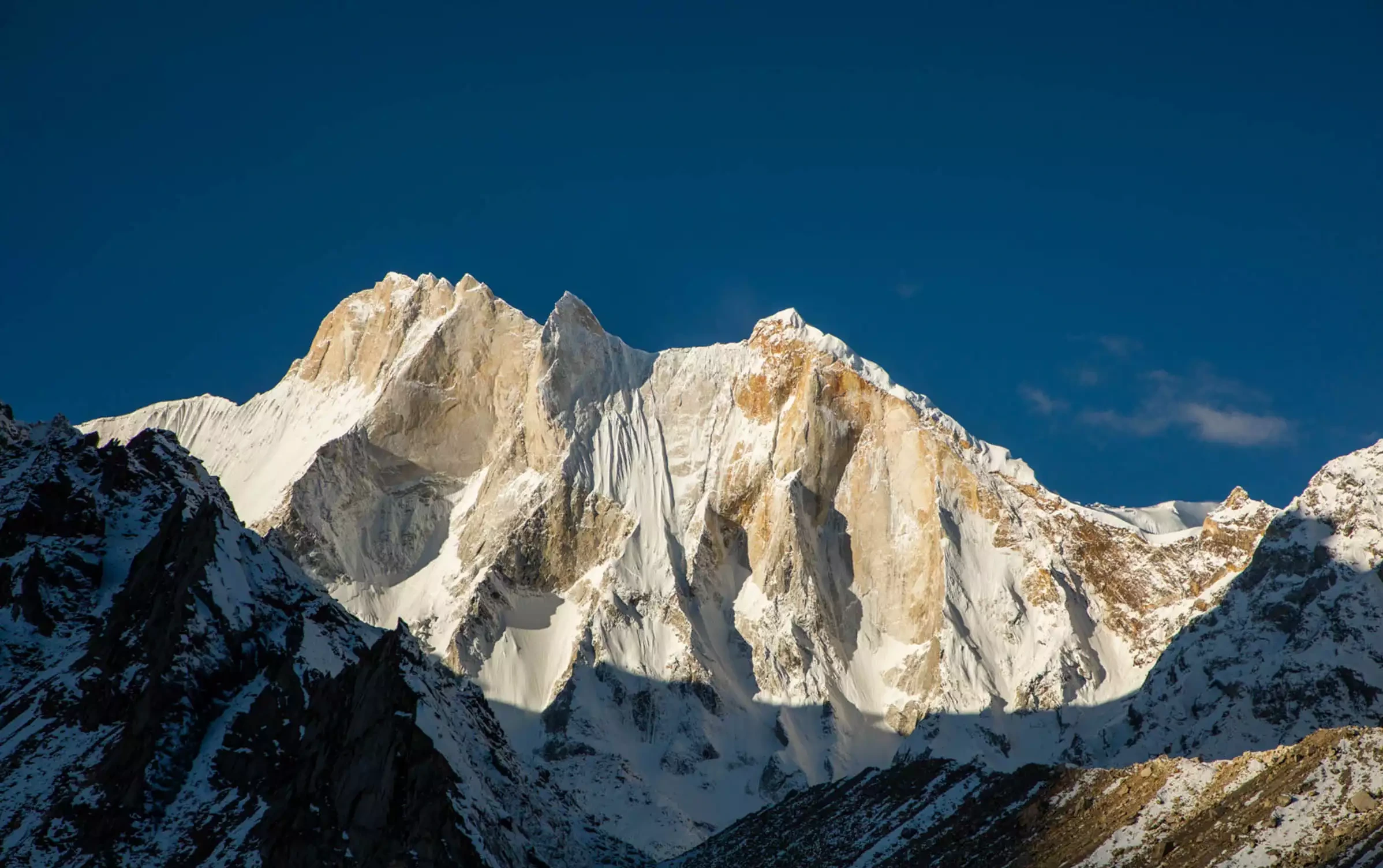
Gaumukh Tapovan Trek
Uttarakhand
8 Days / 7 Nights
Moderate to Difficult
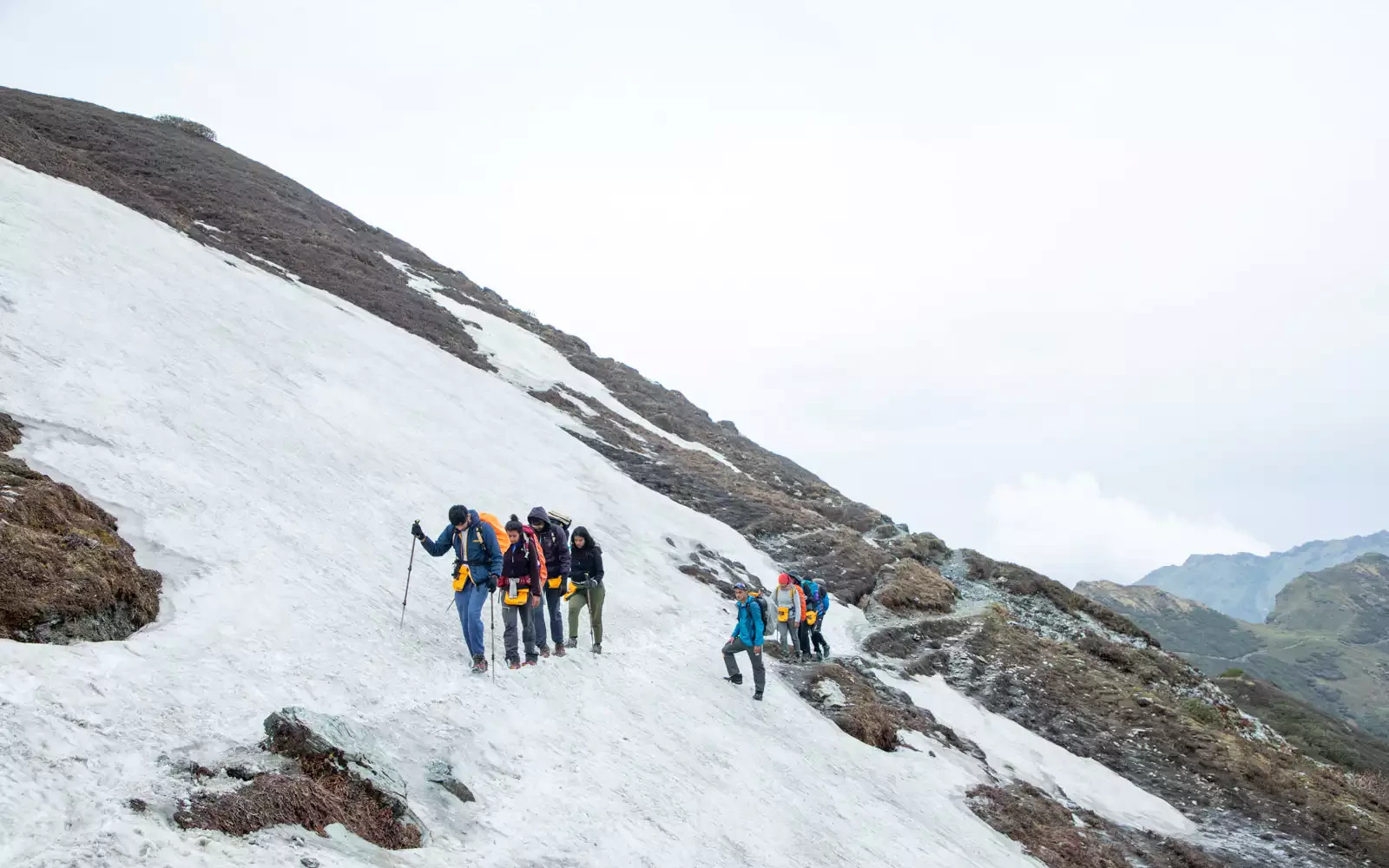
Phulara Ridge trek
Uttarakhand
6 Days / 5 Nights
Easy to Moderate
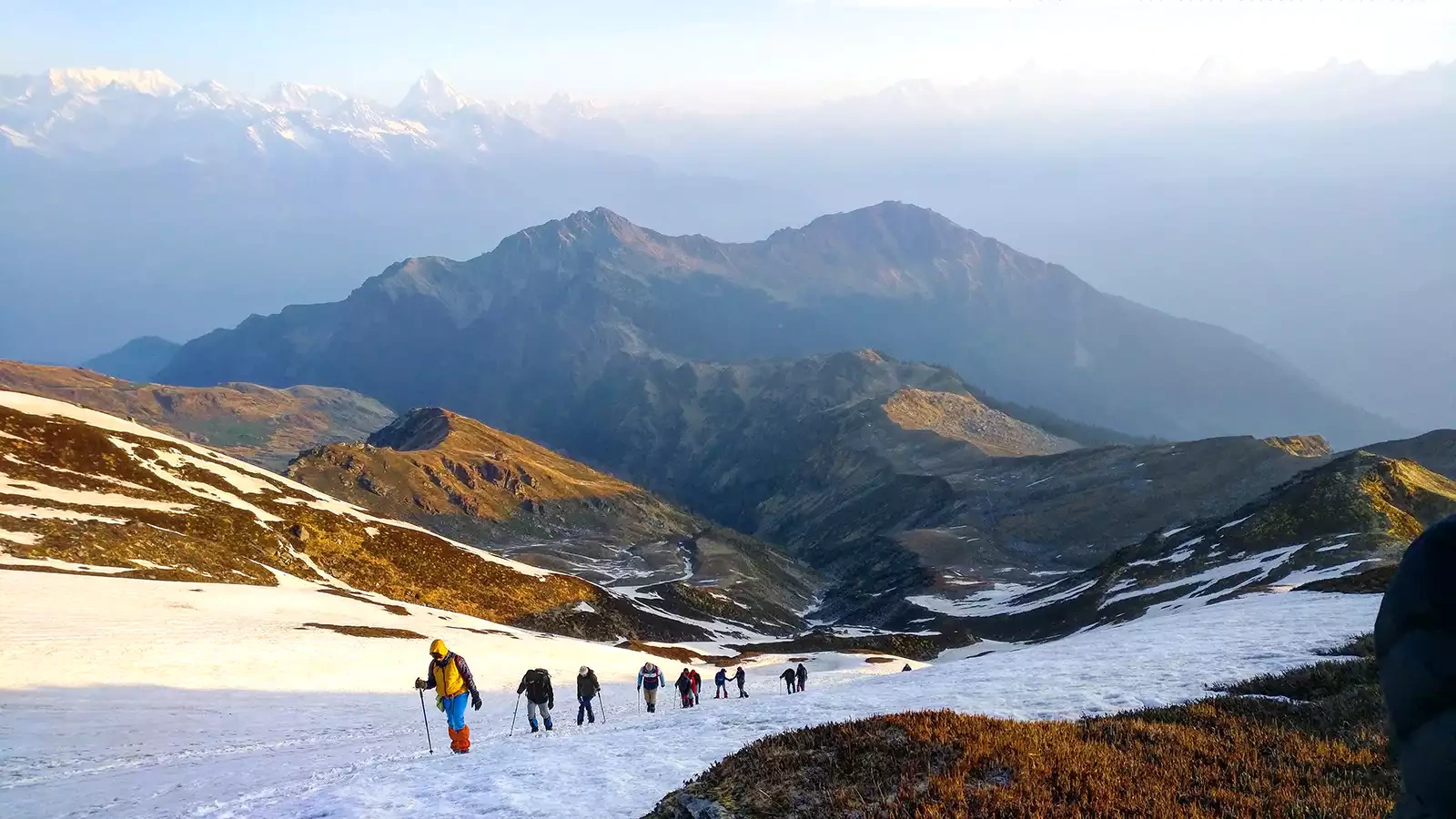
Pangarchulla Peak trek
Uttarakhand
6 Days / 5 Nights
Moderate

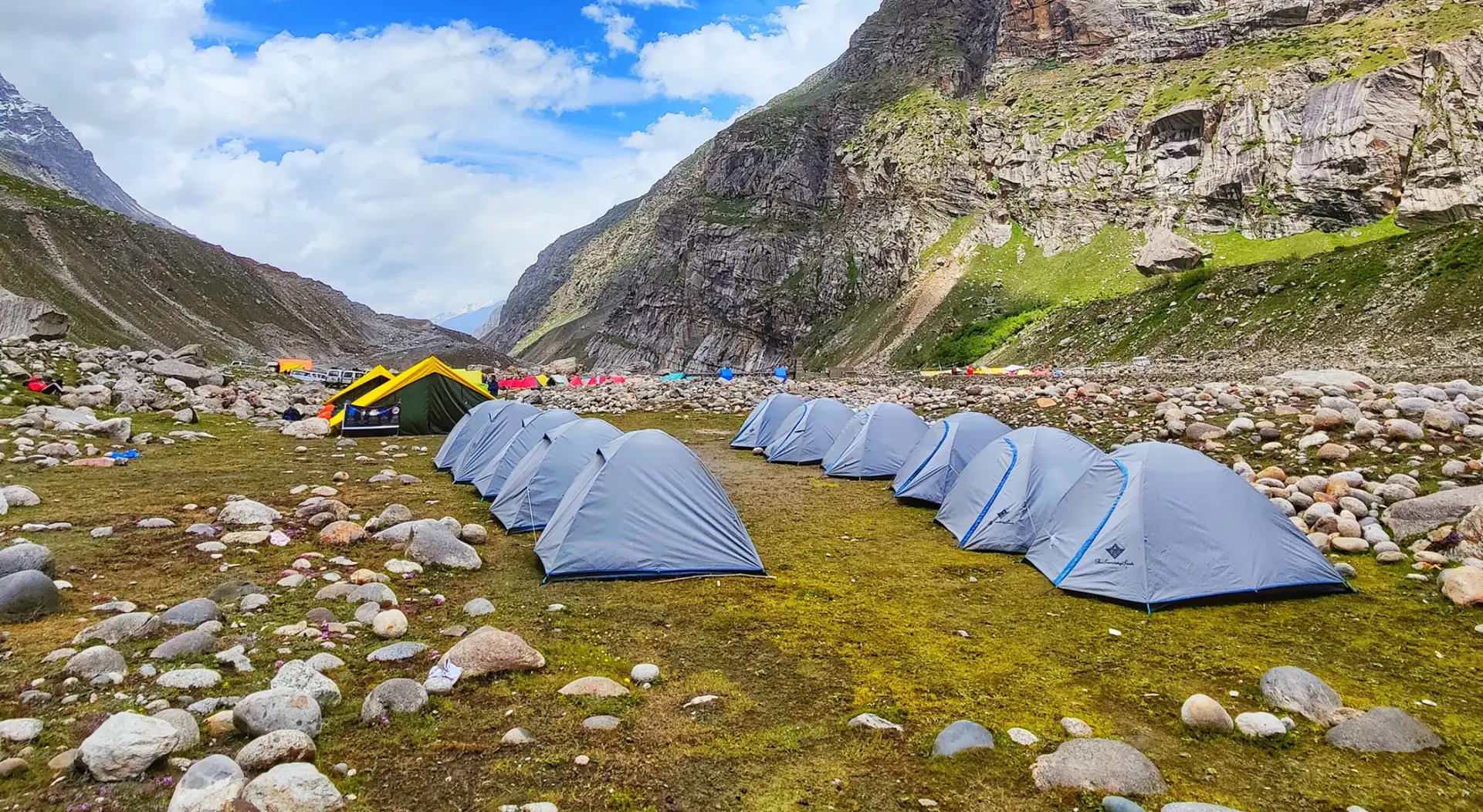
Sar Pass Trek
“The whole Sar Pass experience felt smooth from planning to the last day. The team stayed helpful, calm, and very clear throughout.”
AR
Ananya RawatSar Pass Trek

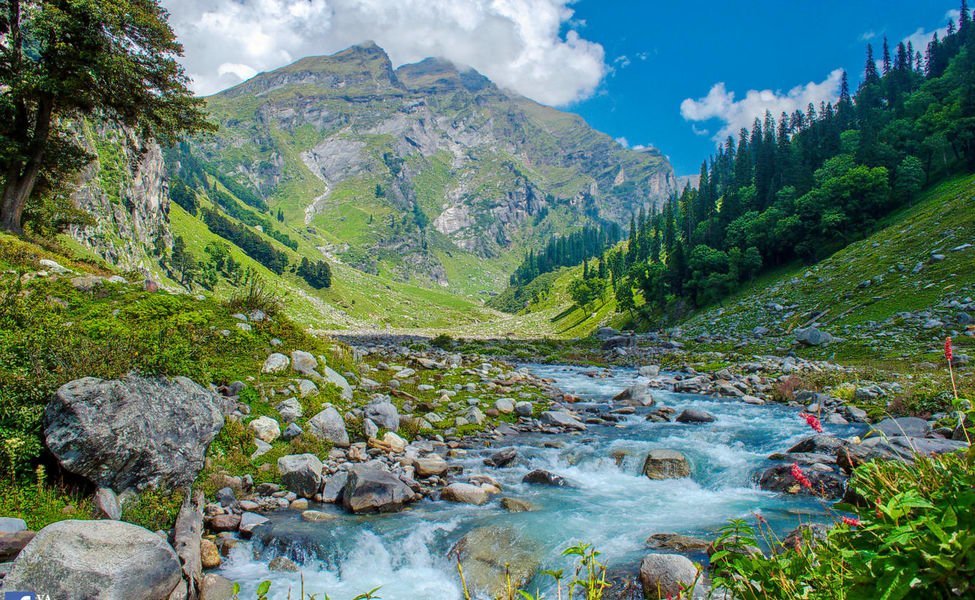
Hampta Pass Trek
“The itinerary pacing was excellent and the support on trail felt dependable. Every pre-departure question was answered quickly.”
VS
Vikas SharmaHampta Pass Trek
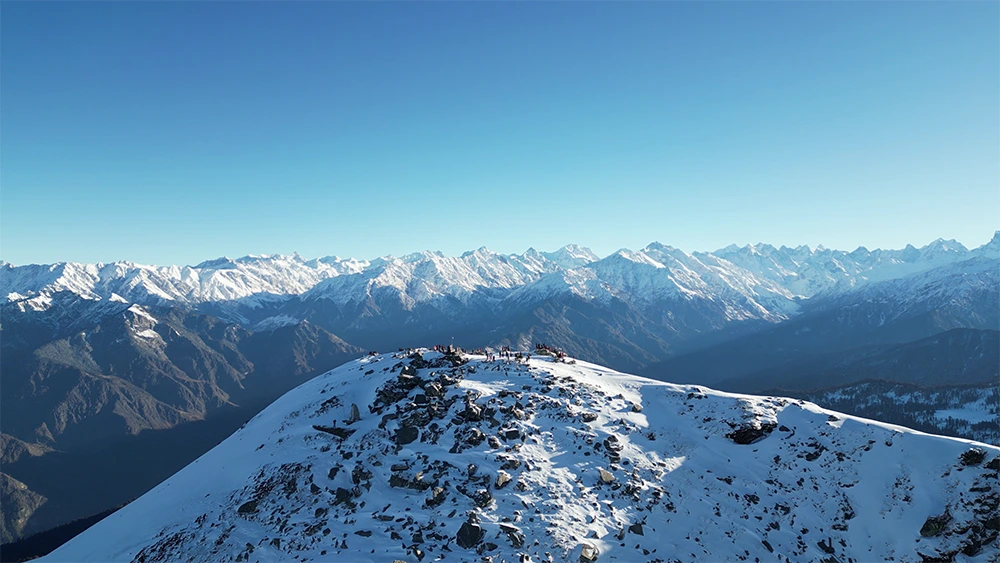
Valley of Flowers
“What stood out most was the communication. Pickup details, stay plans, and trek expectations were shared very clearly.”
NK
Nidhi KapoorValley of Flowers
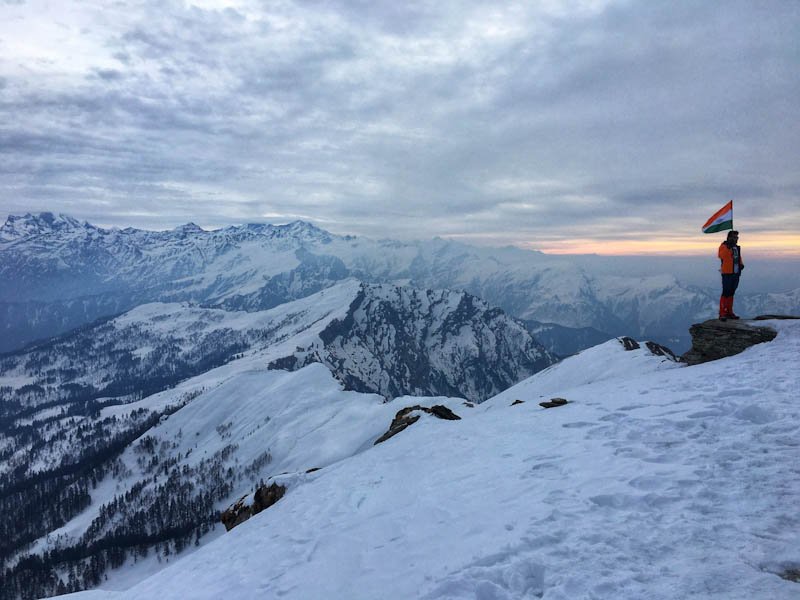
Tarsar Marsar Trek
“As a solo traveller, I was worried about coordination. The team made the whole journey feel smooth, safe, and well paced.”
PS
Priya SethiTarsar Marsar Trek
Pin Parvati Trek
“The planning support was excellent and the trek crew handled everything with confidence. It felt organized without losing the adventure feel.”
RG
Rohan GuptaPin Parvati Trek
Har Ki Dun Trek
“Every update came on time and the trip flow felt very easy to follow. Great communication before the trek and great energy on ground too.”
DM
Dev MalhotraHar Ki Dun Trek
Kedarkantha Trek
“This was our second trek with BookMyHikes and the consistency really stood out. Good support, clear expectations, and a super comfortable group experience.”
SK
Sana KhannaKedarkantha Trek
Brahmatal Trek
“As first-timers, we always felt looked after. The route briefing, camp support, and overall coordination made the trek feel very approachable.”
MT
Mehul TandonBrahmatal Trek
Credentials
Verified certifications for trusted mountain operations.
Registered for safer departures.