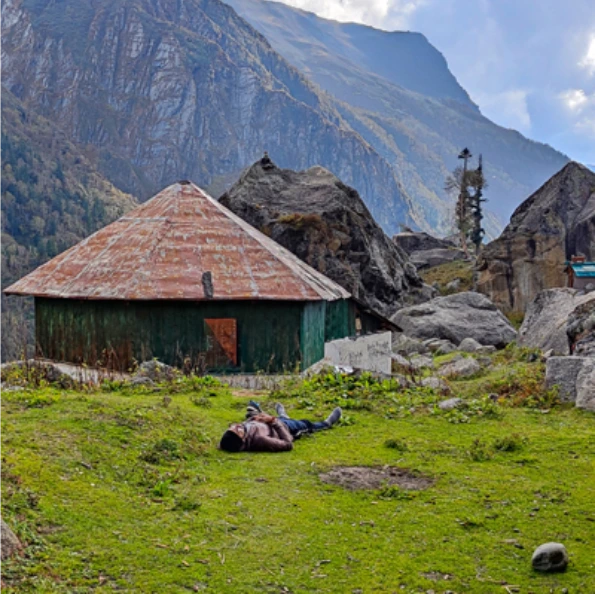
Difficult
Bali Pass Trek
A challenging high-altitude crossover trek in Uttarakhand, connecting the beautiful Har Ki Dun Valley with the Yamunotri region.

Days
8
Adventure Type
Trekking
Base Camp
Sankri
Season
Summer | Autumn
Month
May | June | September | October
Country
India
Altitude
16200 Ft.
Grade
Difficult
Rail Head
Dehradun
Stay
Guest House(Separate male & Female) & Camping (Twin Sharing)
Food
Veg meals while on trek & at Hotel/Guesthouse
Location
Uttarakhand
Distance
60 Km.
Trail Type
Cross over trail | Start in one valley, traverse the pass, and ends in another valley.
AirPort
Jolly Grant Airport, which is 28 km away from Dehradun
At an altitude of 16,200ft, the Bali Pass is a high mountain pass that serves as the connective link between Yamnotri and Har ki Dun Valley. The Bali Pass trek is an offbeat trek that offers majestic views of the Garwhal Himalayas with Bandarpoonch, Kala Nag and Swargrohini being the most prominent ones. An ideal trek for both adventure enthusiasts and nature lovers, the Bali Pass Trek offers you a glimpse at the grandeur of Himalayas.
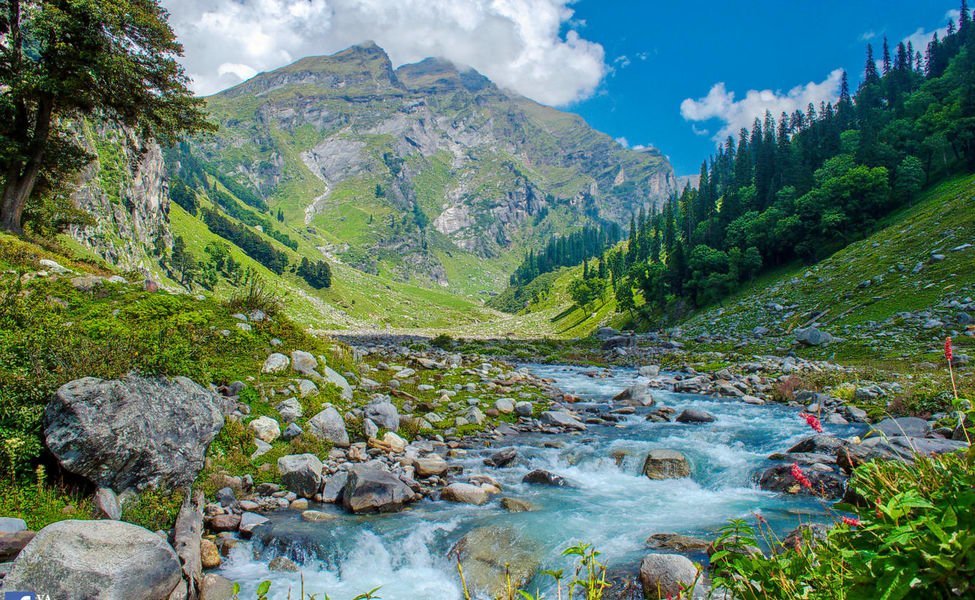
The Bali Pass trek takes you through the enchanting Ruinsara Valley, lush green meadows and tiny Himalayan hamlets like Osla and Gangad village. The staggering altitude of the pass offers views that are grander than any other Himalayan trek and is also the reason why it is considered to be a difficult trek.
There are many tricky stretches on the Bali Pass Trek and the window to the trek is narrow as well which is why caution is advised. However, it is also perhaps the most rewarding Himalayan trek because as soon as you cross the pass, you’re greeted by the raw glory of the Garwhal mountains.
The Bali Pass trek starts from Sankri which is a small village in the Uttarkashi district of Uttarakhand. The many steep inclines, twisting trails and rugged terrains make the Bali Pass trek a challenge for all kinds of trekkers. The ever changing landscapes and stunning views of the mountains make the Bali Pass trek worth every hardship that one needs to overcome to reach the summit.
The main attractions of this trek are the tiny Himalayan Hamlets of Osla and Gangad Village. It is believed that these villages are centuries old, dating back to the same era as the Mahabhrat. Additionally, It offers beautiful sights of the Bandarpoonch, Kalanag, and Swargarohini peaks.
This trek is the perfect opportunity for thrill-seekers to explore the raw trails of Himalayas to the fullest. It is a challenging trek that requires some kind of trekking experience along with fitness so it’s advised that trekkers indulge in regular exercises to keep themselves active.

Tax Benefit
+5% GST (goods and services tax).
Services
Sankri to Janki Chatti.
Meeting Point
( Pickup/ Drop Point ): Prince Chowk, Dehradun
Reporting Time
6:00 am
Drop Time
6:30 pm to 7:30 pm (Timings are subject to change based on weather and road conditions).
Important
Please reach Dehradun a day before to avoid any delays.

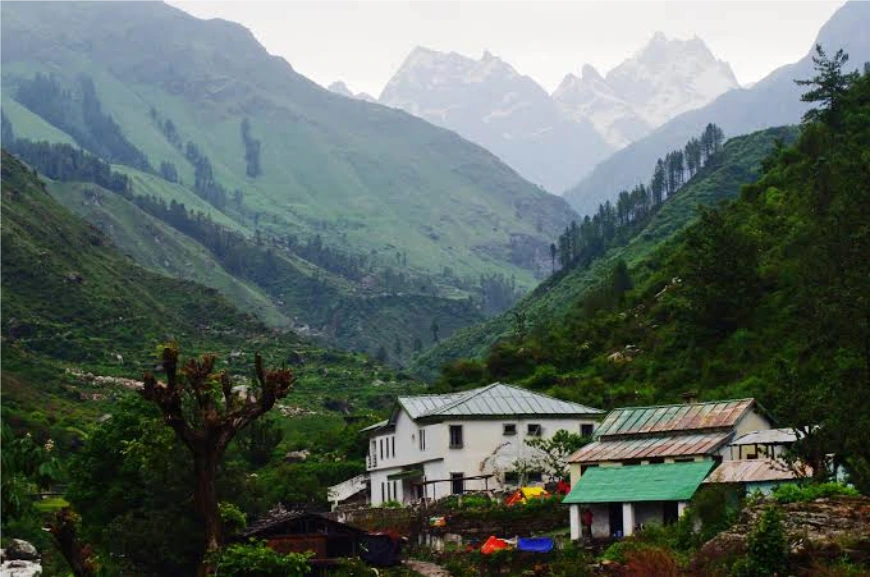
Ancient Jaunsari Himalayan Villages (Taluka, Osla, and Seema)
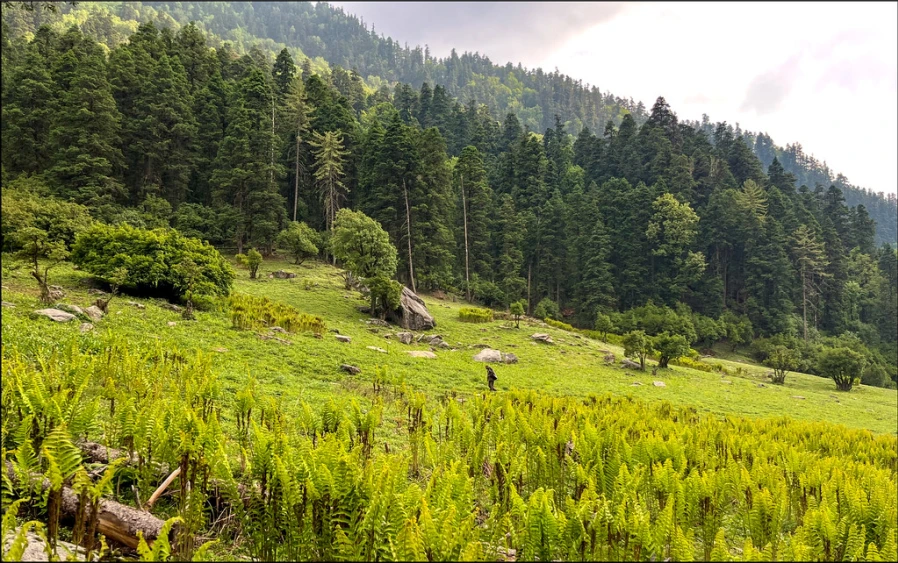
Devsu Thatch (Devsu Bugyal)
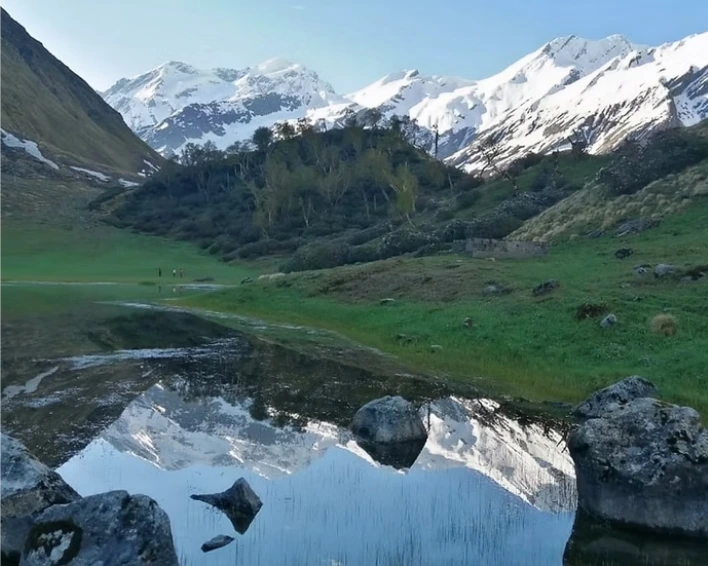
Ruinsara Lake (Ruinsara Tal)
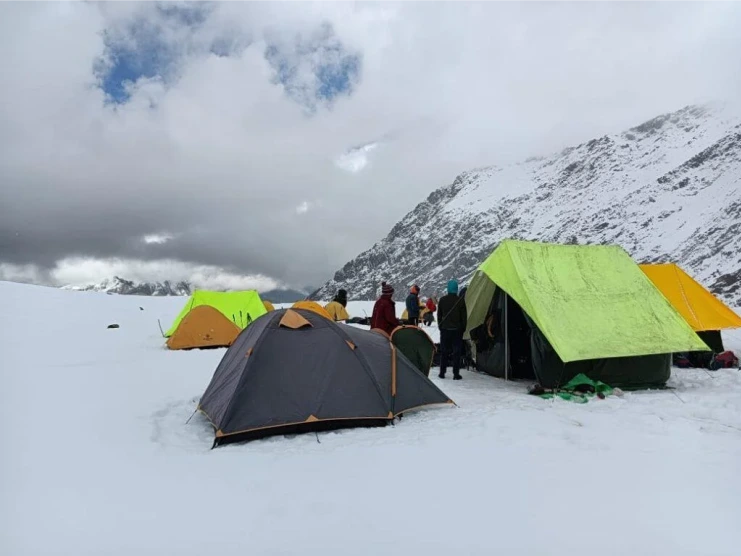
Odari (Bali Pass Base Camp)
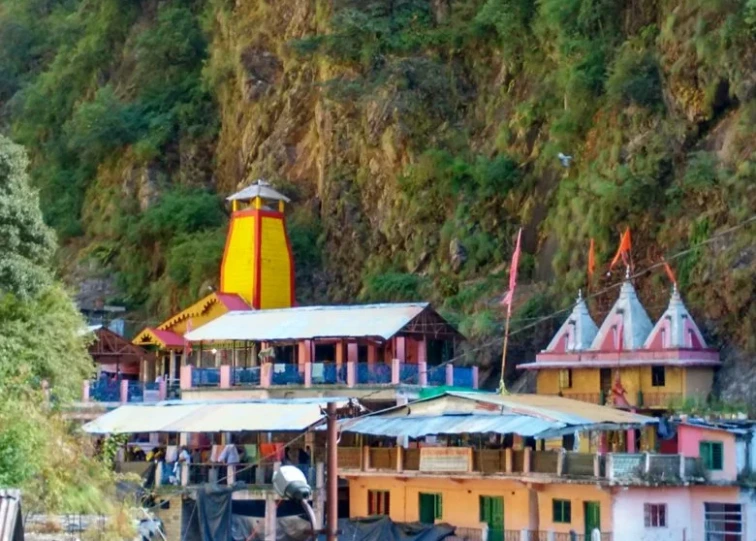
Shri Yamunotri Dham
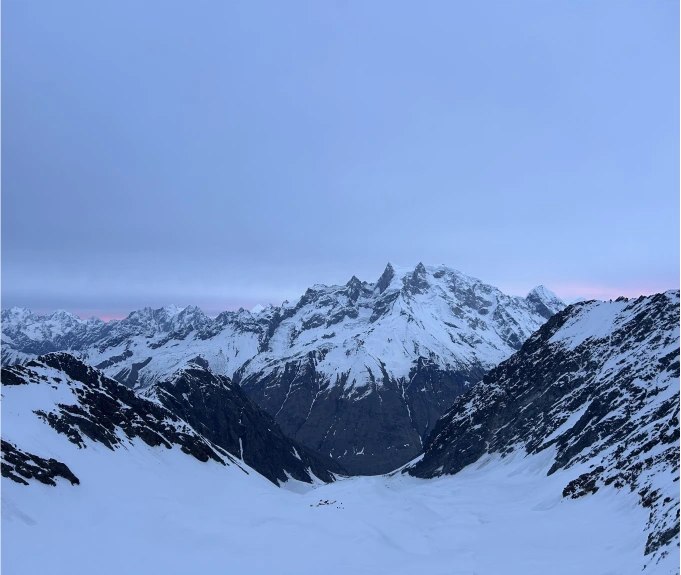
Views of the Great Himalayas
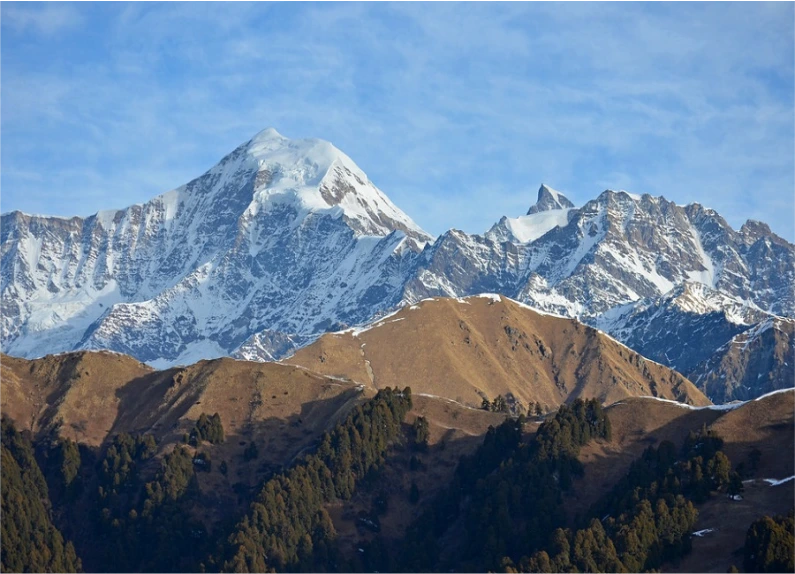
Glimpse of Peaks like Bandarpoonch Peak & Black Peak
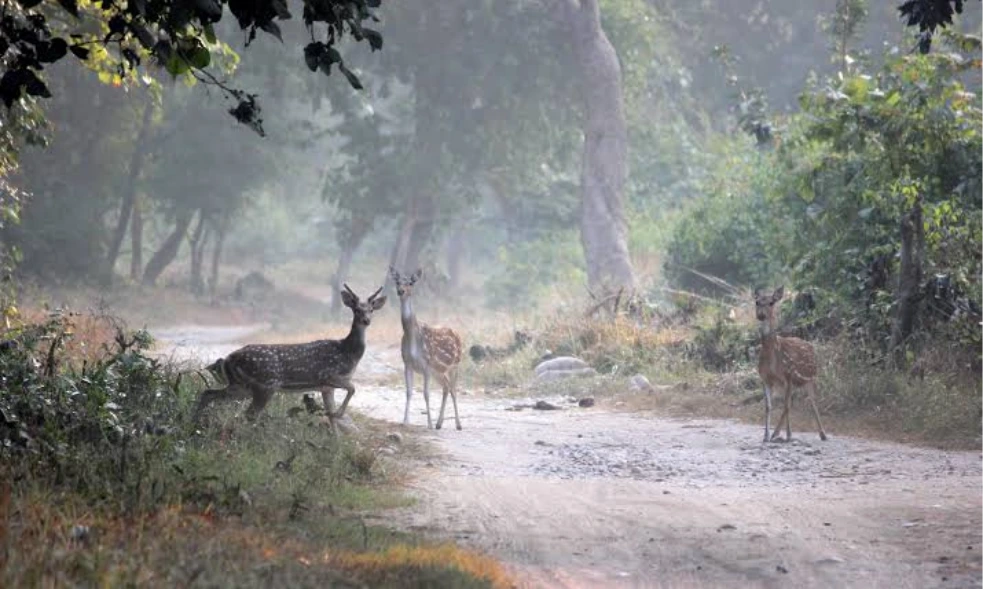
Wildlife

01
DAY
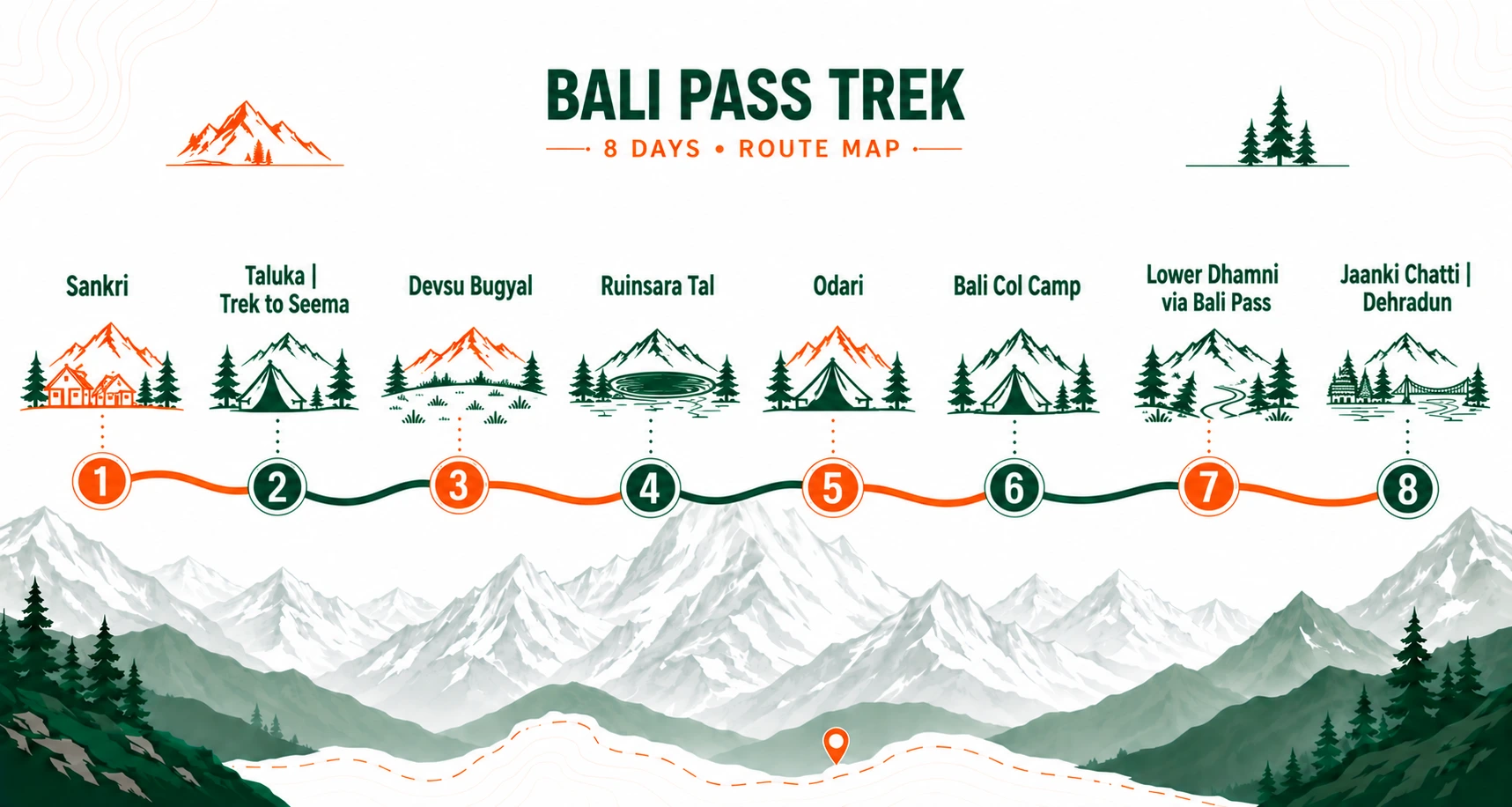
Drive from Dehradun to Sankri (220 Kms, 10 Hrs)
- The group will assemble at the pickup point at 6:30 AM.
- Afterwards, we will drive from Dehradun to Sankri which is a small village in the Uttarkashi district of Uttarakhand and serves as the basecamp for the Bali Pass trek.
- The long drive would consist of many scenic views of pine forests and majestic mountains with hill stations like Mussoorie will blur past as you move ahead.
- Upon reaching Sankri, we will check into our designated hotel where we will have dinner followed by an overnight stay.
- Note: The pickup point is Dehradun Railway Station.
02
DAY
Drive from Sankri to Taluka(12 Kms, 1hr) | Trek to Seema (12Kms, 7 Hrs)
- After breakfast, we will check out of our hotel and drive towards Taluka from where the actual trekking begins. You’d be traversing through lush green forests throughout your drive.
- Upon reaching Taluka, we will start trekking towards our campsite. The trek is easy and takes you through forests that consists of Deodar, Walnut and Chestnut trees with the Himalayas standing tall in the backdrop. The trail consists of rocky pathways that and a stream of Supin river that will lead you to Gangabad village. On the other side of the village is Seema which is our campsite.
- We’ll check into our campsite and have dinner followed by an overnight stay.
03
DAY
Trek from Seema to Devsu Bugyal (10 Kms, 5 Hrs)
- After early morning breakfast, we will check out of our campsite and head towards Devsu Bugyal which is a meadow nestled amidst the Ruinsara forest at an altitude of 3000 meters.
- The trail to Devsu Bugyal runs along the banks of Supin River and starts to get steeper the closer you get to Devsu Bugyal with huge boulders also making it difficult to get across.
- Upon reaching Devsu Bugyal, you’d be witnessing a stretch of 2 kilometers of pure natural beauty adorned with Himalayan wildflowers. The rest of the day is at leisure.
- In the evening, lunch will be served followed by an overnight stay in the camps.
04
DAY
Trek from Devsu Bugyal to Ruinsara Tal (7 Kms, 4 Hrs)
- Post breakfast, we will set out for a trek to Ruinsara Tal which is a pristine glacial lake located at an altitude of 3200 meters.
- Your trail to Ruinsara Tal is adorned with lush green meadows and Rhododendron flowers with the majestic Himalayas beckoning you closer. Upon reaching the campsite at Ruinsara, we will check in to our campsites. The rest of the day is at leisure.
05
DAY
Trek from Ruinsara Tal to Odari (4 Kms, 3 Hrs)
- After a night spent under the starry skies at our campsite, we’ll have hot tea and breakfast before continuing our trekking journey.
- The trek from Ruinsara Tal to Odari is a short trek consisting of many descents and crossing the Supin River. Odari has mythological significance as it is believed that Bali, King of Kishkindha from the epic Ramayana stayed in the cave.
- After a short trek, we’d reach our campsite which offers stunning views of the Swaroghini peaks as well as the Bali Pass that is in the backdrop.
06
DAY
Trek from Odari to Bali Col Camp (5 Kms, 6 Hrs)
- Post breakfast, we will head towards our next campsite which is located at an altitude of 15,000ft. This particular stretch on the Bali Pass Trek is a bit difficult as it requires you to walk along a mountain ridge as well as steep inclines.
- En route to this particular campsite, trekkers are advised to stay hydrated as the altitude would be higher. Upon reaching the campsite, the trekkers are advised to keep themselves warm and get proper rest.
07
DAY
Trek from Bali Col Camp to Lower Dhamni via Bali Pass (14 Kms, 10 Hrs)
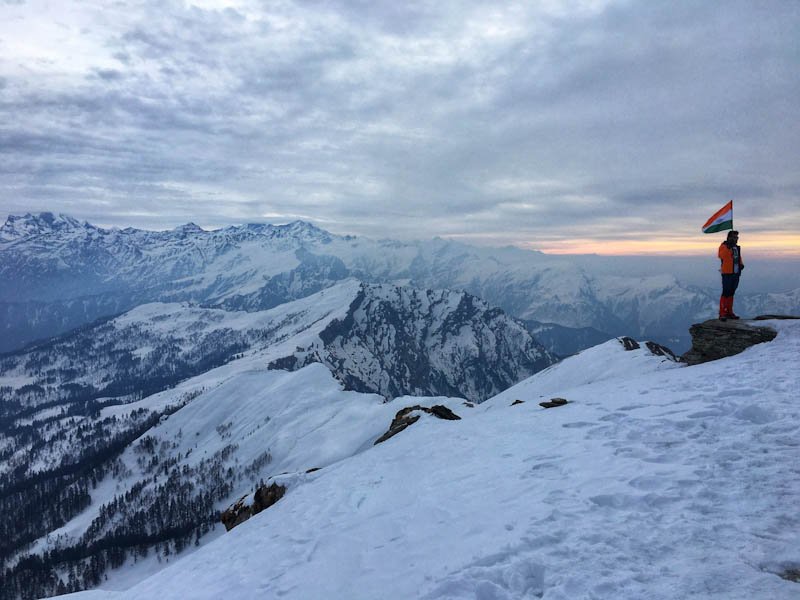
- After breakfast, we will head towards the summit which is located at an altitude of 16,200 ft and requires more effort than before. The trail would be covered in thick blankets of snow and with the trail of Bali Pass summit being as narrow as it is, it’d be tricky to cross, and hence caution is advised.
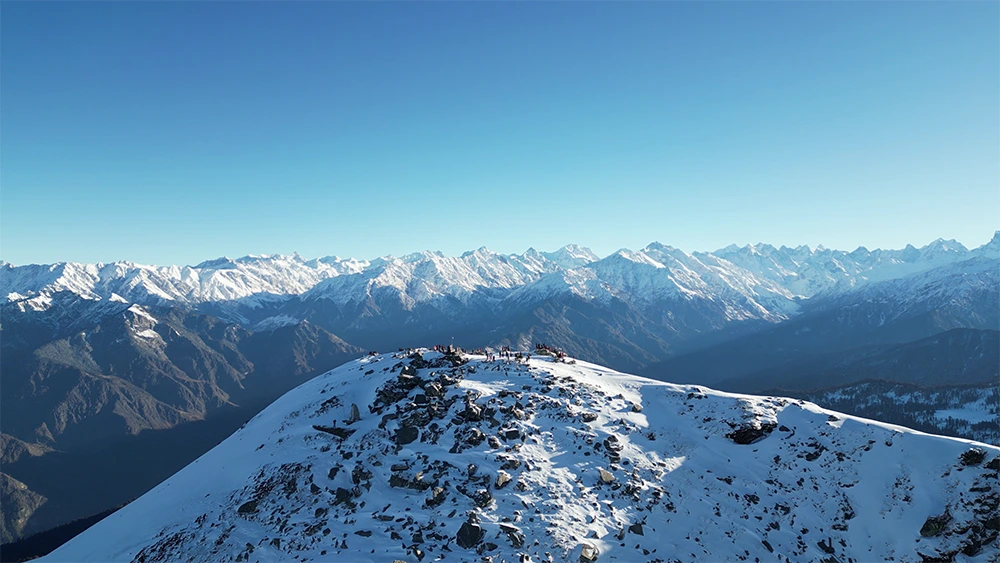
- Upon reaching the summit, you’ll get a stunning 360º view of the Himalayas with peaks like Bandarpoonch, Swargrohini, and the entire Yamunotri Valley looking as majestic as ever.
- After spending some time at the summit, letting the glorious mountain views fascinate you, we will descend back to our campsite in Lower Dhami. The trail is extremely steep, almost like a vertical path and so you’ve to be extremely careful with your descent.
- After traversing through some zig-zag paths, you’ll finally be walking on a flattened path signifying that your campsite is closer.
- We’ll check into our campsite after which dinner will be served followed by an overnight stay in camps.
08
DAY
Trek from Lower Dhamni to Jaanki Chatti (8 Kms, 5 Hrs) | Drive to Dehradun (170 Kms, 7 Hrs)
- After breakfast, we will check out of our campsite and begin our return journey.
- The descent would be fairly easy as it consists of walking on paved paths as opposed to slippery terrains and snow covered ground.There would be a steep ascent to Yamnotri which would lead us to the Yamnotri temple.
- Afterwards, we will take the same route that pilgrims take to reach Jaanki Chatti and after a stretch of 5 kilometers, we’ll reach the drop off point where the group will dissemble and part their ways.
- Drive back to Dehradun. Trek Ends.

One of the most common questions before any Himalayan trek is simple: what should you pack? A smart packing list keeps you comfortable on the trail without making your backpack unnecessarily heavy.
The easiest way to pack is to go step by step, either from head to toe or toe to head. That simple pattern helps you stay organized and lowers the chance of forgetting essentials.
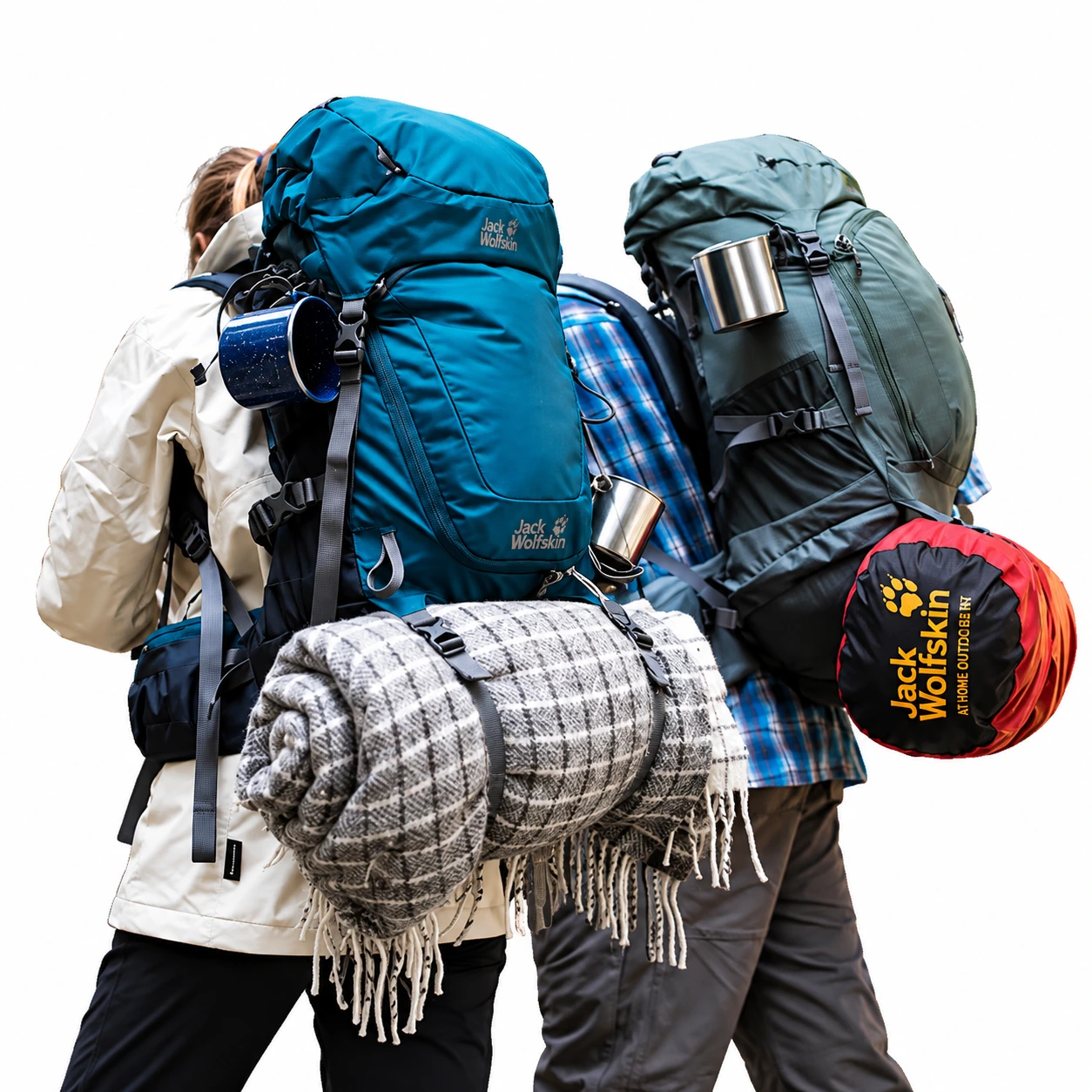
01 Backpacks
Choose a backpack that feels comfortable on your shoulders and hips. For a week-long trek, a 60 to 70 liter backpack is usually enough for your clothing, gear, and personal essentials.
- Main backpack: Good hip support, shoulder support, and easy-access pockets.
- Daypack: Useful for short hikes, sightseeing, and carrying daily essentials when the main bag is not needed.
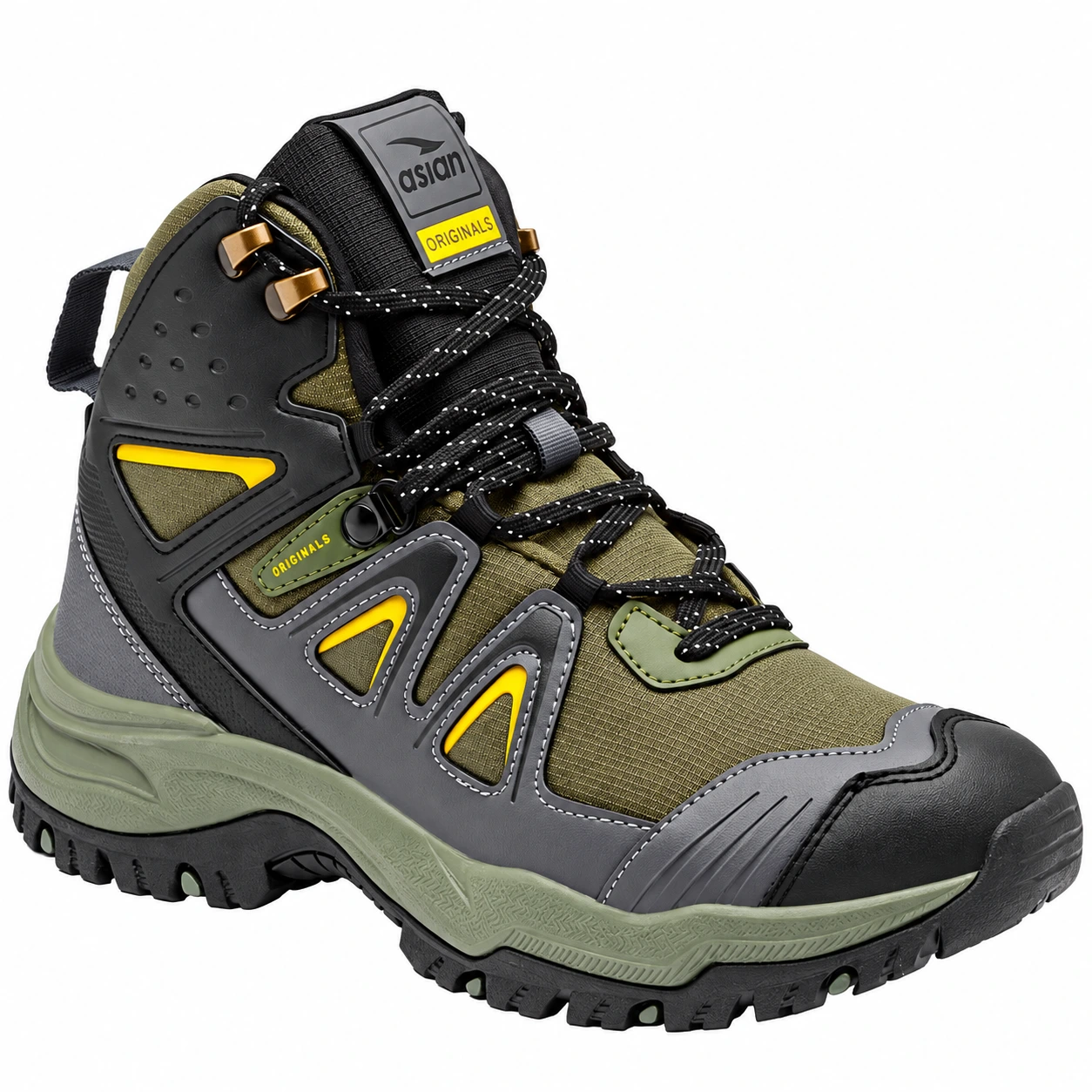
02 Footwear
- Trekking shoes: Prefer waterproof shoes with high-ankle support.
- Walking or hiking sandals: Great for camp use, resting your feet, or stream crossings.
- Sneakers: Optional, but useful for travel days or relaxed time around camp.
- Socks: Carry 3 to 5 pairs that are warm, comfortable, and quick-drying.
03 Clothing Layers
- Jacket: A good quality hiking or trekking jacket for layering.
- Pants: Lightweight, quick-drying trekking pants, plus a warm lower layer for colder nights.
- T-shirts and base layers: Carry 3 to 4 warm, comfortable tees along with a long-sleeve layer.
- Thermals and leggings: Two pairs of thermals and warm leggings are ideal for cold mornings and evenings.
- Undergarments: Pack according to your personal requirement.
- Buff or balaclava: Essential for protecting your neck and throat from wind and cold.
- Beanie cap and hiking hat: A beanie helps in cold weather, while a sun hat protects you during the day.
- Gloves: One warm pair is usually enough.
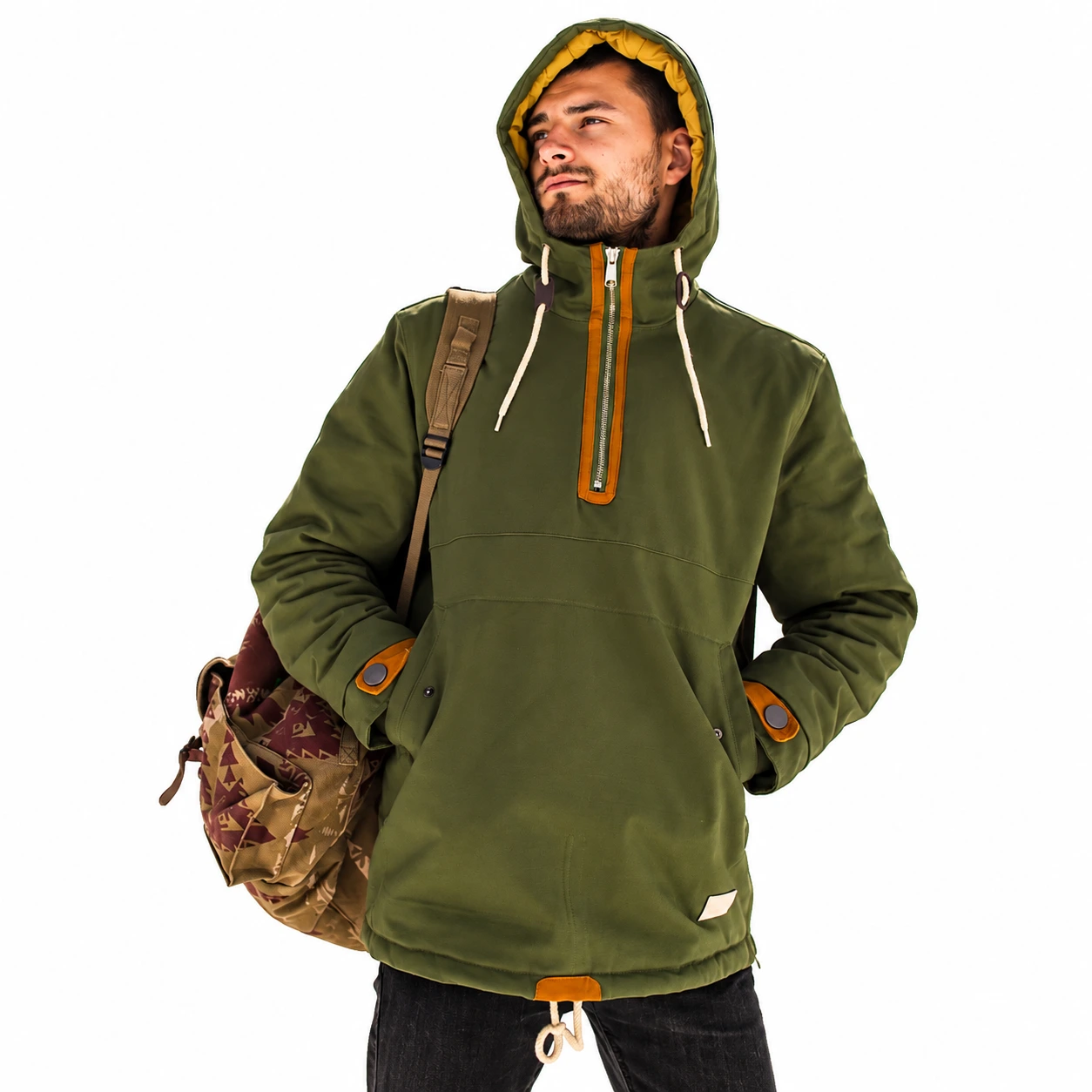
04 Rain Protection
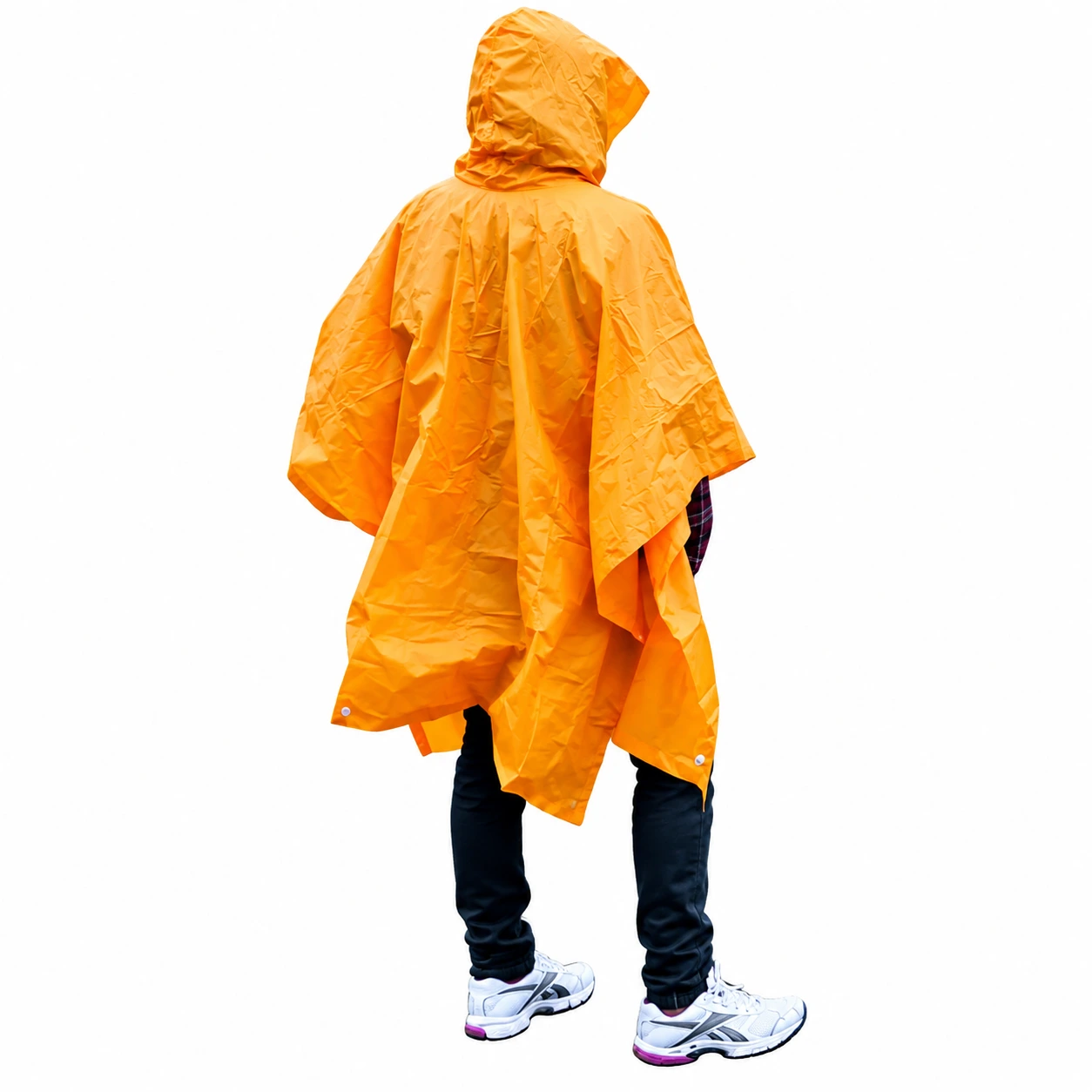
- Raincoat and rain pants: Helpful in changing mountain weather.
- Rain poncho: A practical option during longer spells of rain.
- Rain covers: Carry waterproof covers for both your backpack and daypack, especially for gadgets.
05 Gadgets and Useful Extras
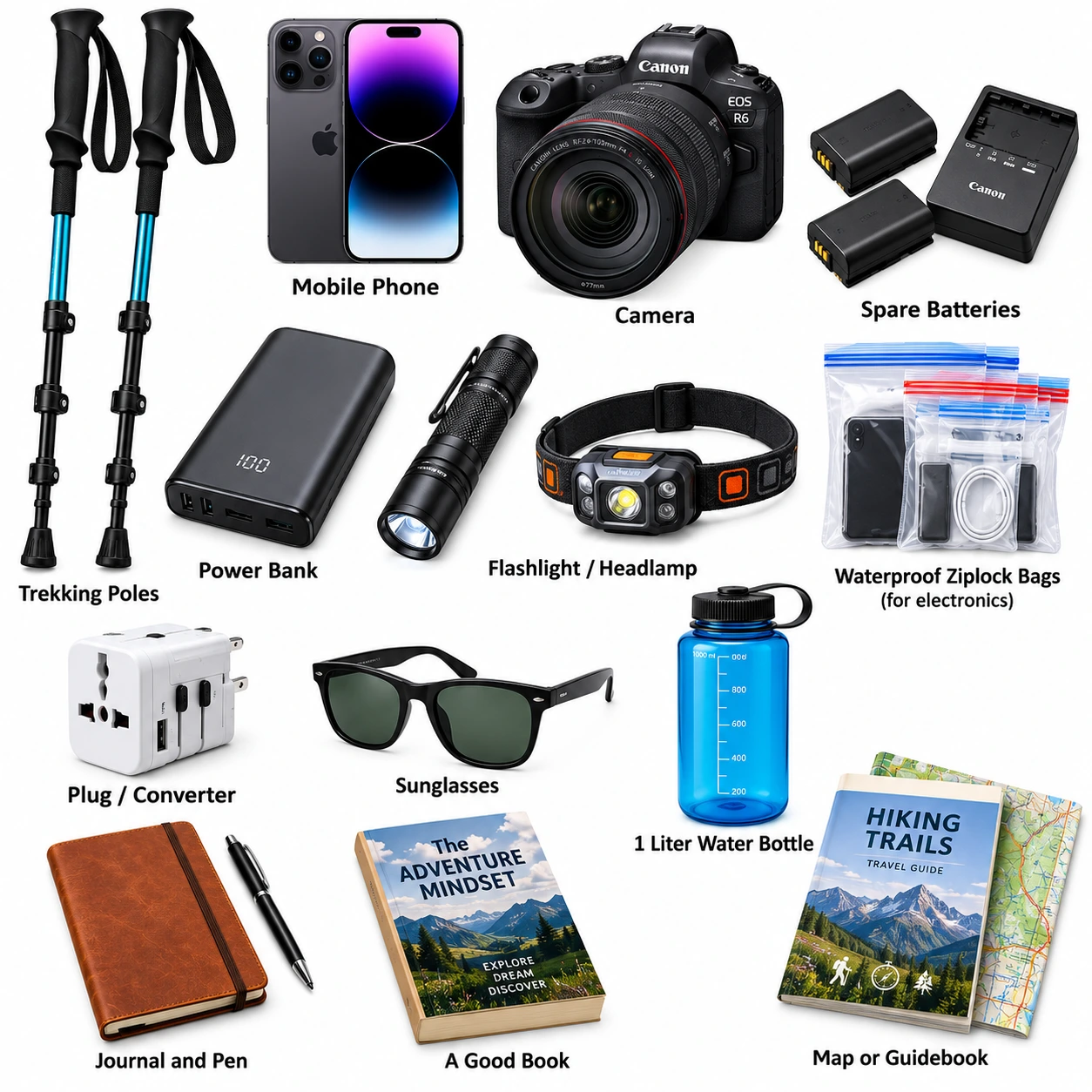
- Trekking poles, mobile phone, camera, and spare batteries.
- Power bank, lightweight flashlight or headlamp, and waterproof ziplock bags for electronics.
- Plug or converter, sunglasses, and a 1 liter water bottle.
- A journal and pen, a good book, and a map or guidebook if you enjoy documenting the journey
06 Hygiene and Toiletries
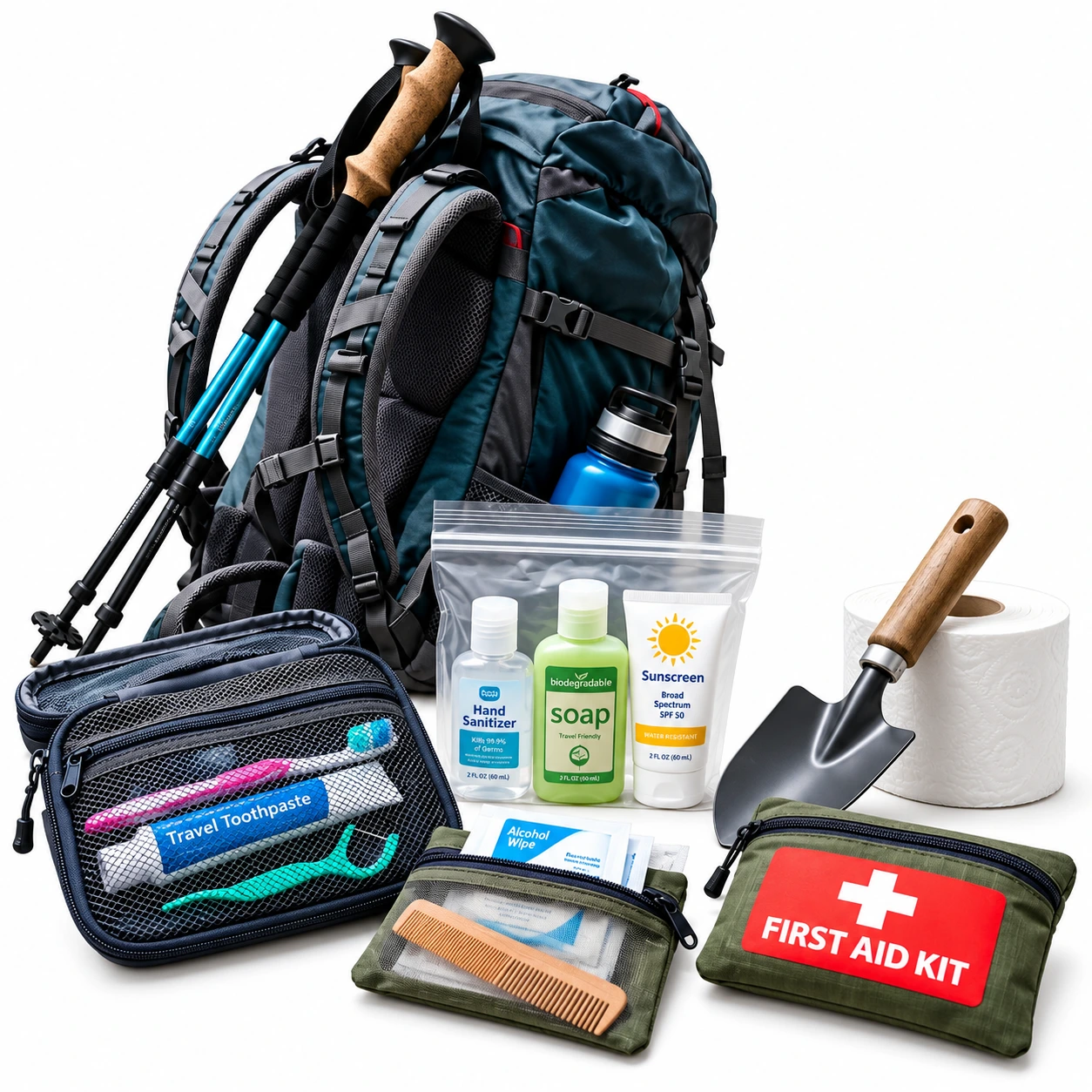
- Sunscreen with UV protection and lip balm or salve.
- Quick-drying towels, toilet paper, tissues, or wet wipes.
- Toothbrush, toothpaste, mouth freshener, shampoo, deodorant, and talcum powder.
- Biodegradable soap, nail clipper, and any personal daily-use items.
- Sanitary pads or tampons if needed.
07 First Aid and Energy
Carry a personal first-aid kit with the basics you may commonly need on an adventure trip, and always consult your doctor before taking any medicine.
- Antiseptic wipes or water syringe, butterfly bandages, sterile gauze pads, and elastic bandages.
- Latex gloves, medicines for upset stomach, cold, flu, fever, headache, and basic pain relief.
- ORS sachets, pain relief spray, bug repellent, and any prescription medicines you already use.
- Medicine for high altitude concerns such as Diamox or a similar alternative, only after medical advice.
- Carry some energy bars and non-alcoholic energy drinks for quick support on the trail.
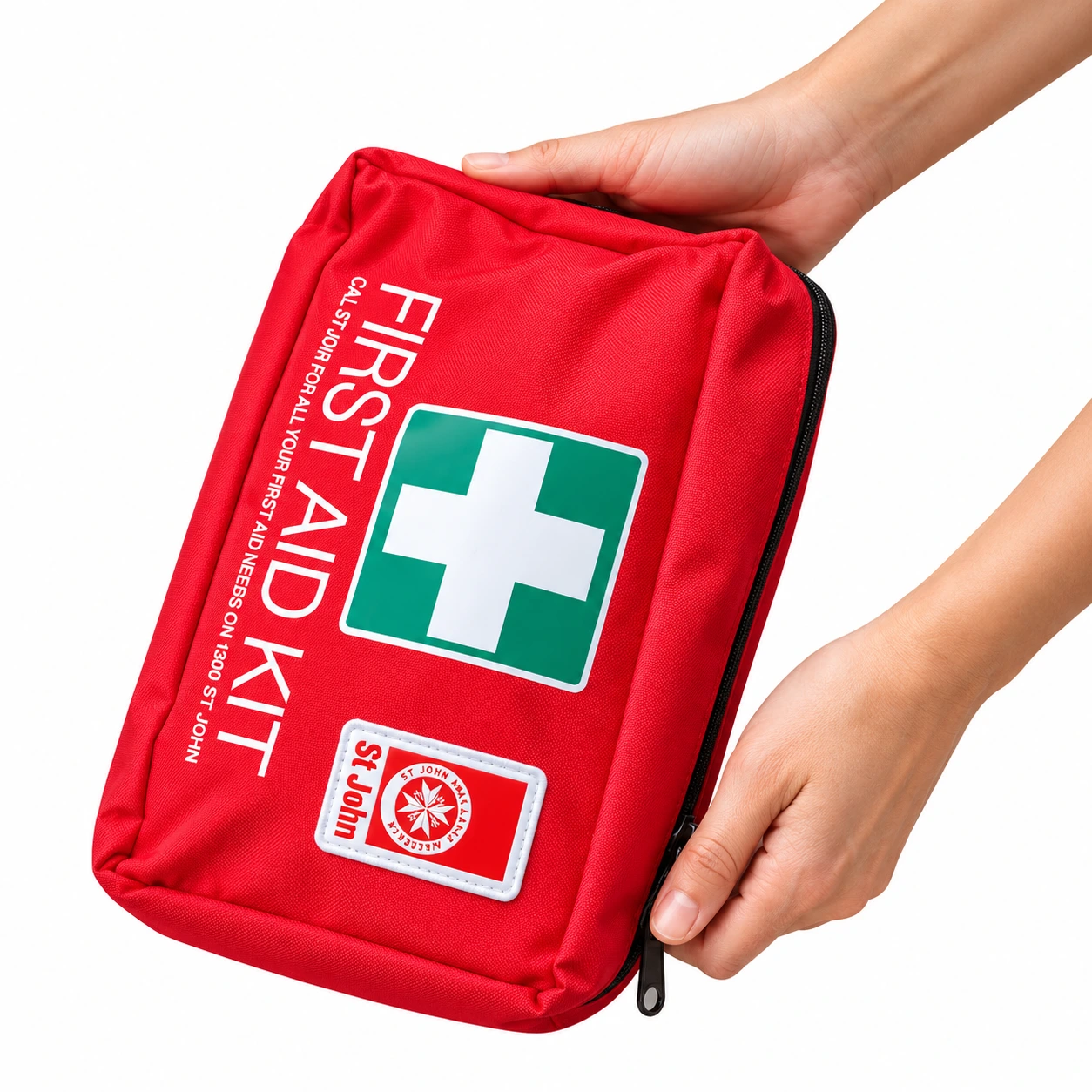
Important note: Check what gear can be rented or purchased through BookMyHikes and what you should bring from home. Keeping your backpack light makes the trek more comfortable and enjoyable.

Inclusions
- Accommodations:1 Night Accommodationin a Hotel / Guest House in Sankri on a Triple sharing basis. 4 Nights Tented Accommodation on a triple sharing basis.
- Transportation:Surface transfer from Dehradun – Sankri – Dehradun by Sumo / Bolero / Tempo Traveler (Depends on the number of Travelers).
- Meals:All Veg Mealsfrom Day 1st Dinner to Day 8th Breakfast.
- Snacks:Morning / Evening Tea / Coffee with light snacks.
- Camping logistics:Tent, Utensils, Sleeping bags, Mattresses, Dining tent, Toilet tent.
- Trek Leader:Qualified and Experienced Trek leader and support staff.
- Permits:All necessary fees and permits.
- Safety Equipment:Basic First Aid kit with Oximeter and Oxygen Cylinder and stretcher.
Exclusions
- Any expenses of personal nature.
- Meals during transit.
- Insurance of any kind.
- Any fees and permits (for non-Indians).
- Unscheduled delay due to a landslide.
- Cost Escalation due to “Force Majeure and Evacuation charges”.
- Anything not mentioned explicitly in the above program.

Life is unpredictable and we understand sometimes you have to cancel or change your trip dates and it is our endeavour to make it as easy possible for you. However, please understand we plan everything including guide fees, permits, accommodation and ration in advance. Therefore, any cancellation means inconvenience and certain losses to the people involved in various stages of programme. Keeping that in mind, our cancellation charges are as below :
Cancellation Timeline
-
30 days before the event Best cancellation window with the lowest deduction.Deduction 15% Lowest cutReturn 85% Monetary Refund Into original payment mode
-
15-30 days before trek start Moderate cancellation window before core ground arrangements intensify.Deduction 50% Mid-stage cutReturn 50% Cash Voucher Valid for 12 months
-
Less than 15 days before trek start Late cancellation window after trek operations are mostly aligned.Deduction 100% Higher cutReturn No refund
Voucher Rules
For cancellations made between 15 and 30 days before the event, 50% of the trek fee will be retained as a cancellation charge. The remaining 50% will be issued as a voucher that can be used toward a future trip.
The voucher is valid for one year from the date of issue.
The voucher applies only to the remaining 50% of the trek fee after cancellation deductions.
The voucher cannot be redeemed or exchanged for a cash refund.
To request or use the voucher, please contact us by email before making a new booking.

What is the difficulty level of the Bali Pass Trek?
Bali Pass is considered a difficult high-altitude trek. Steep ascents and descents, rugged terrain, long trekking days, and the high-altitude pass crossing require strong physical fitness.
What is the maximum altitude of the Bali Pass Trek?
Bali Pass reaches an altitude of approximately 16,200 ft (4,940 m) above sea level.
What is the best time to do the Bali Pass Trek?
The preferred trekking windows are generally May to June and September to October, subject to snowfall, weather, trail conditions, and local permissions.
Is Bali Pass Trek suitable for beginners?
Bali Pass is not generally recommended for first-time trekkers. Prior high-altitude trekking experience, good stamina, and proper acclimatization are strongly recommended.
How many days are required for the Bali Pass Trek?
Most Bali Pass itineraries take approximately 7–9 days, depending on the route, acclimatization schedule, campsites, and transportation arrangements.
What is special about the Bali Pass Trek?
The trek is known for its high-altitude pass crossing, Har Ki Dun Valley, ancient Himalayan villages, alpine landscapes, glacial terrain, and spectacular views of Swargarohini and Bandarpoonch. It combines cultural experiences with a serious high-altitude trekking challenge.


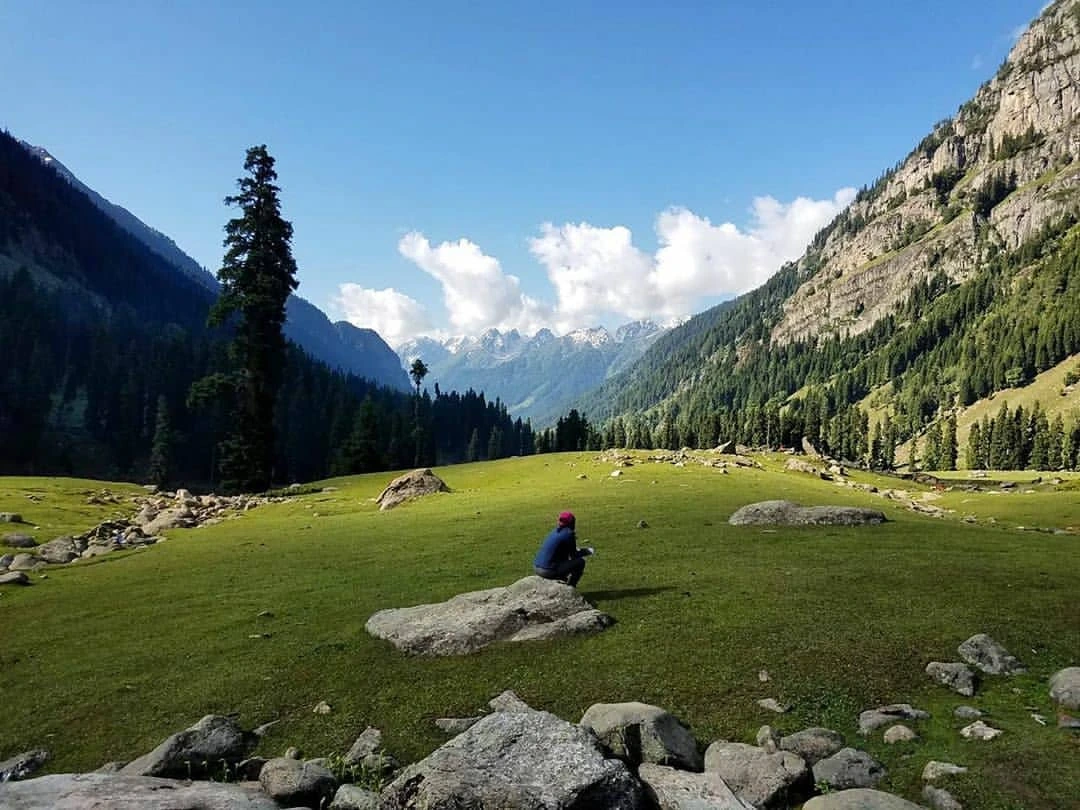
Tarsar Marsar Trek
Kashmir
7 Days / 6 Nights
Moderate
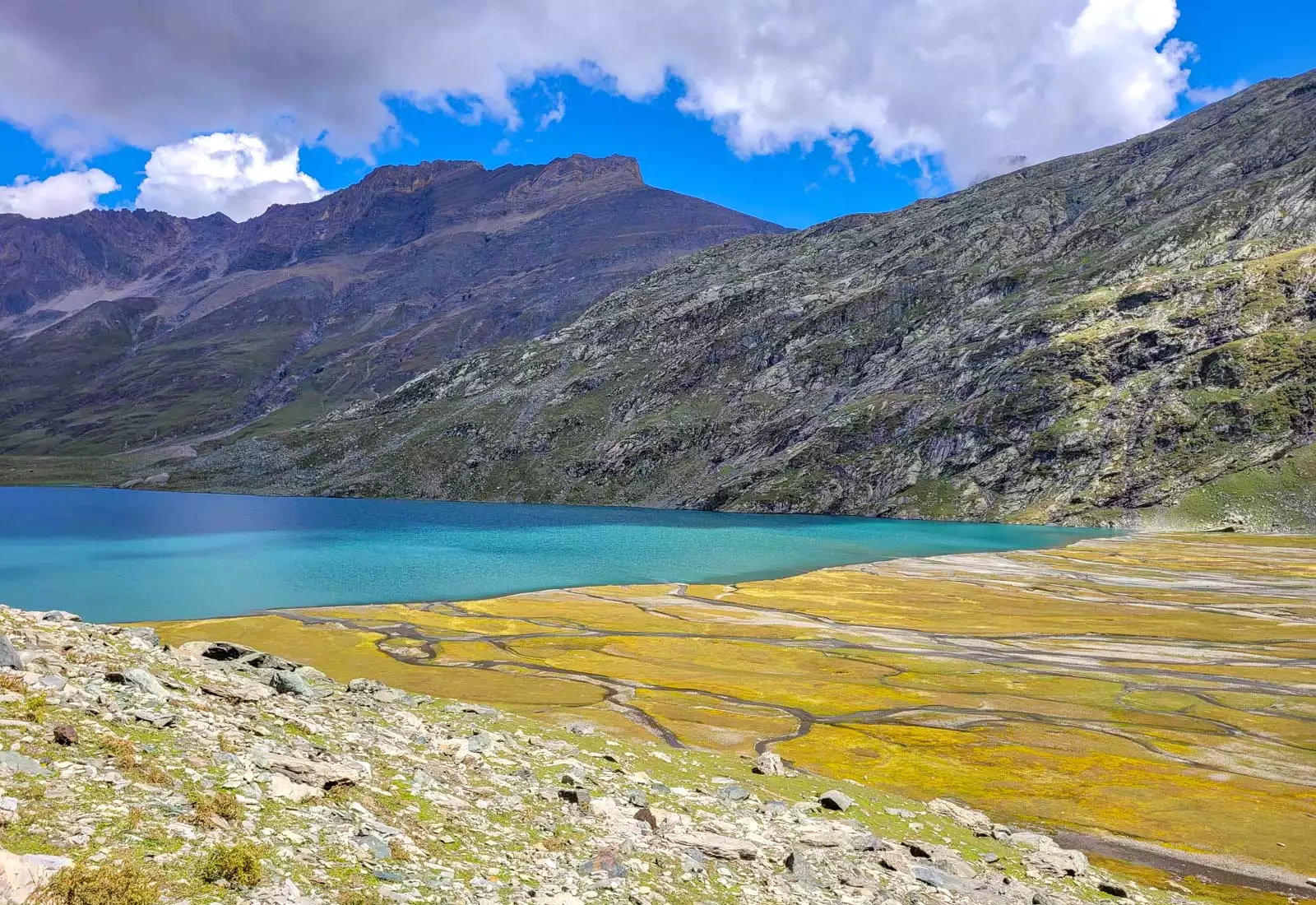
Nafran Valley Trek
Kashmir
7 Days / 6 Nights
Moderate to Difficult
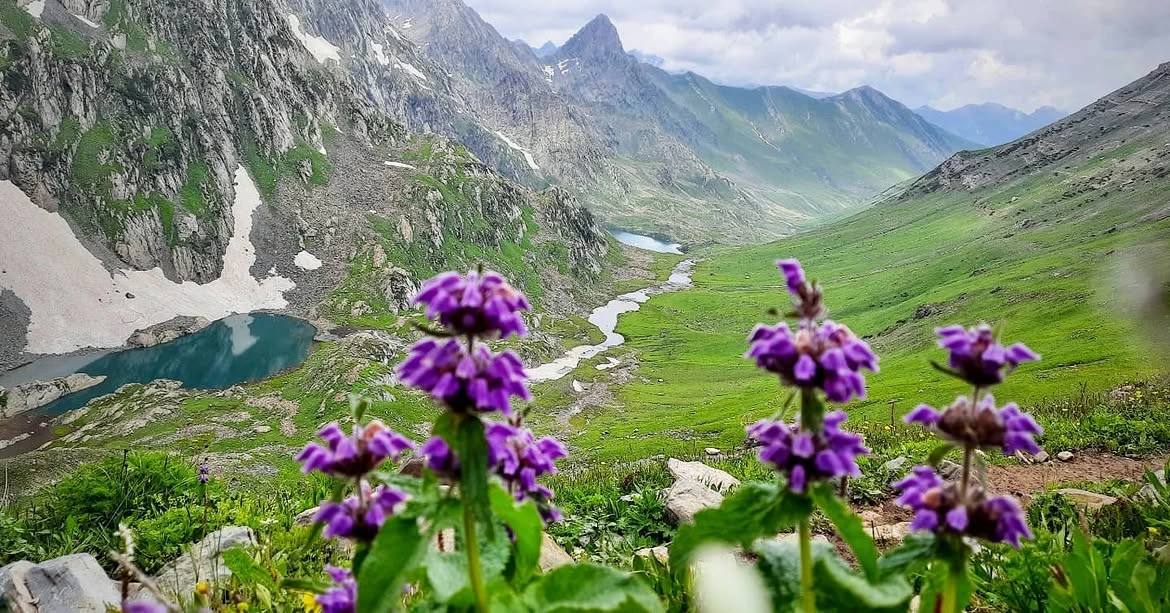
Kashmir Great Lakes Trek
Kashmir
7 Days / 6 Nights
Moderate to Difficult
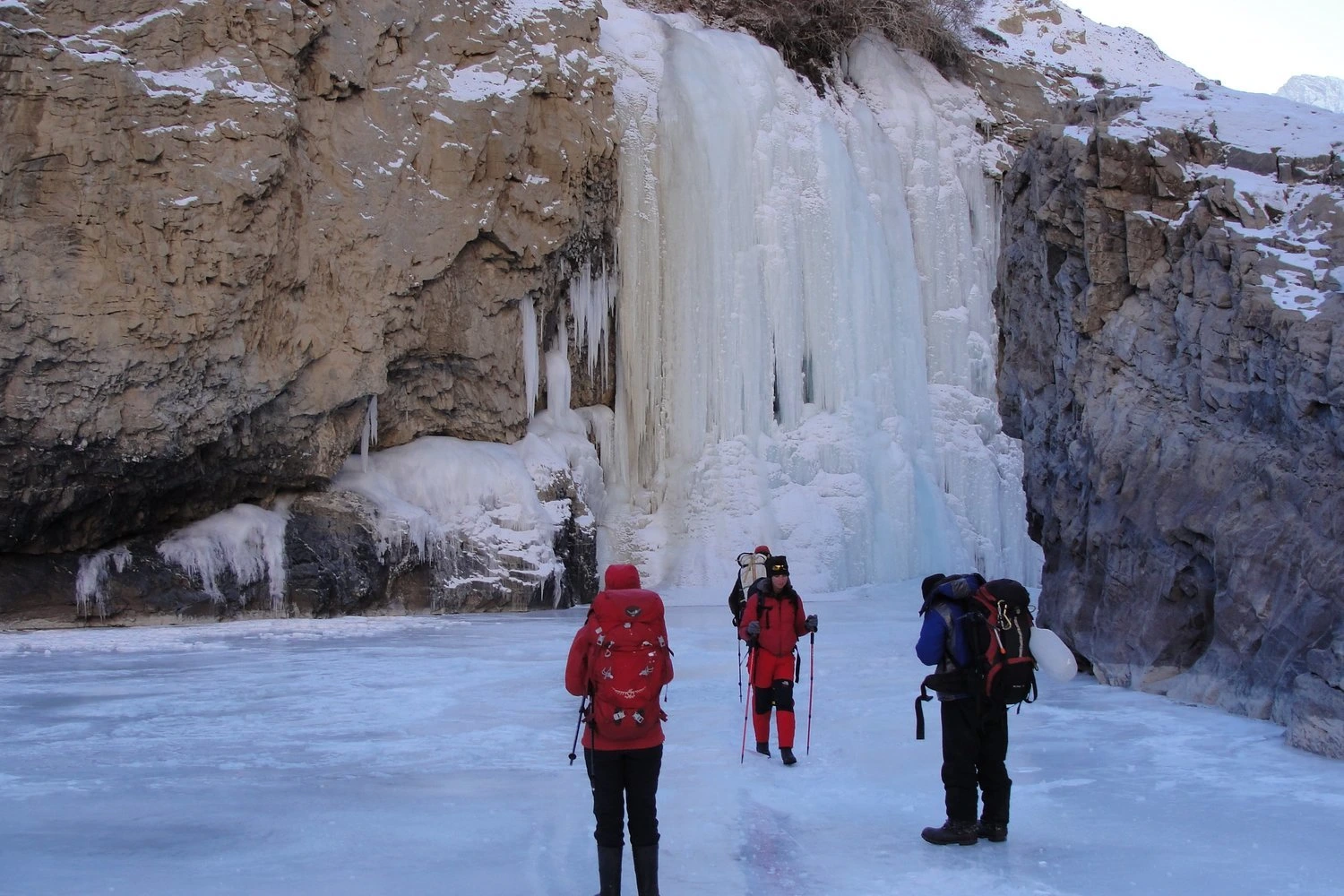
Chadar trek
Ladakh
9 Days / 8 Nights
Difficult
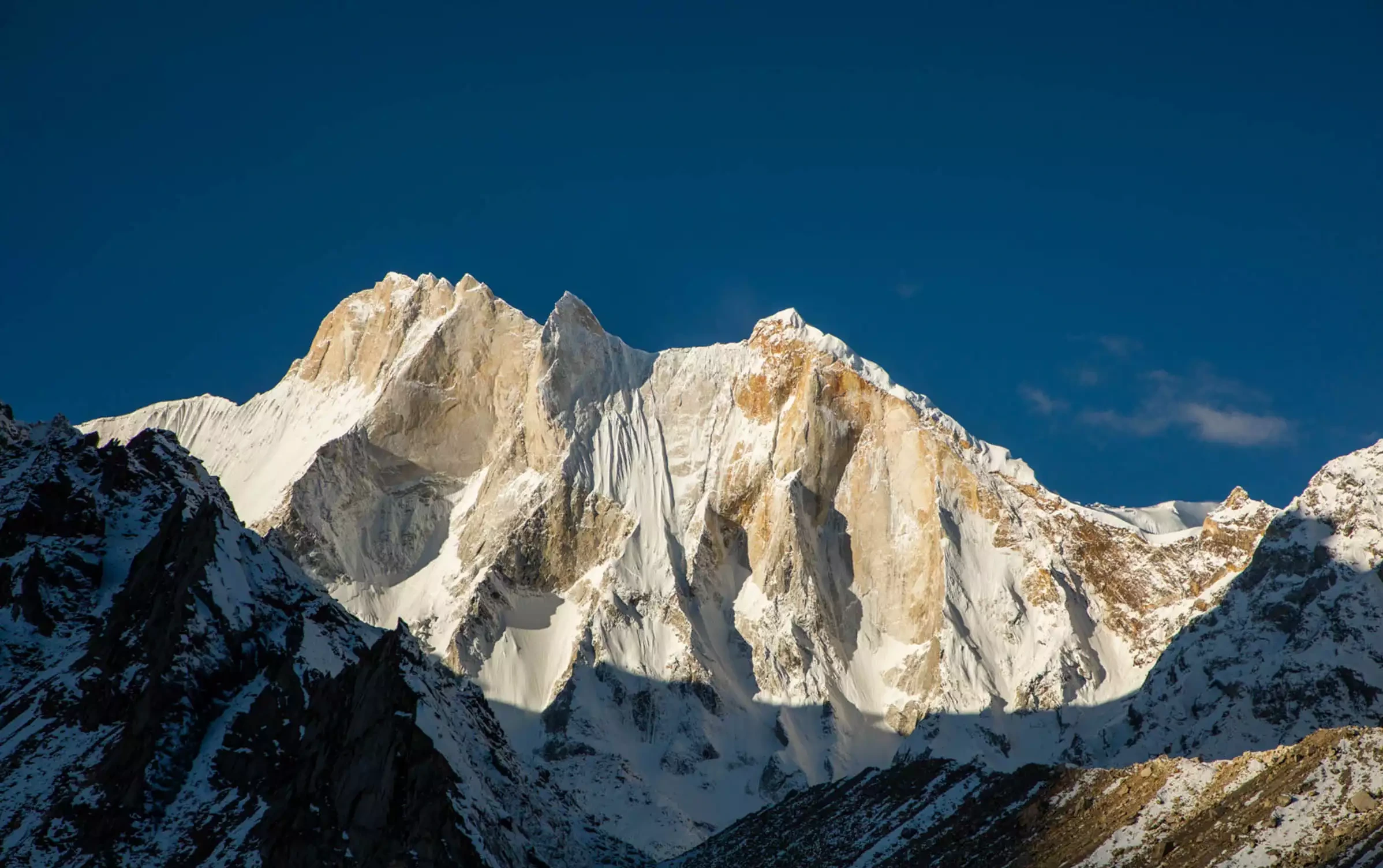
Gaumukh Tapovan Trek
Uttarakhand
8 Days / 7 Nights
Moderate to Difficult
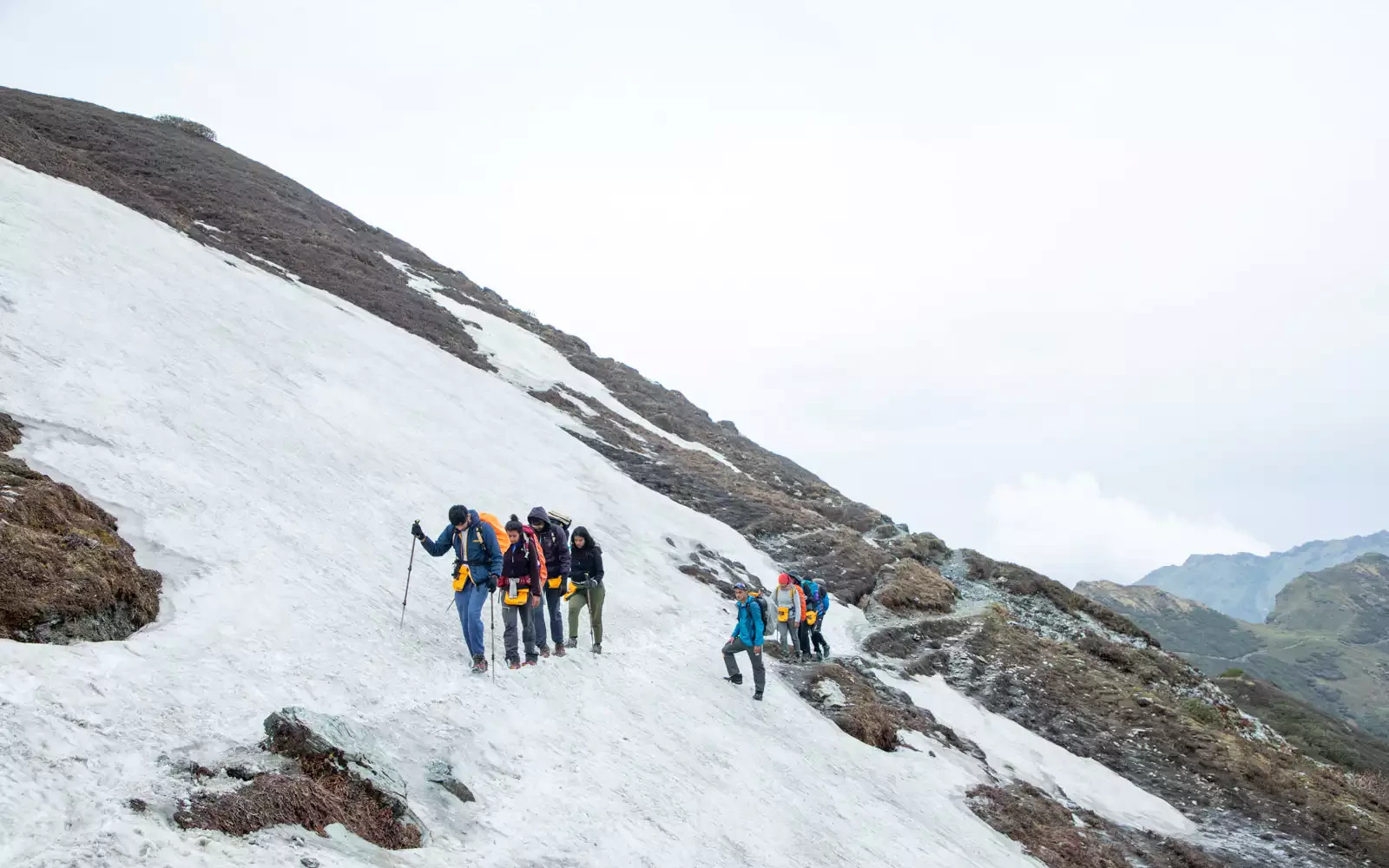
Phulara Ridge trek
Uttarakhand
6 Days / 5 Nights
Easy to Moderate

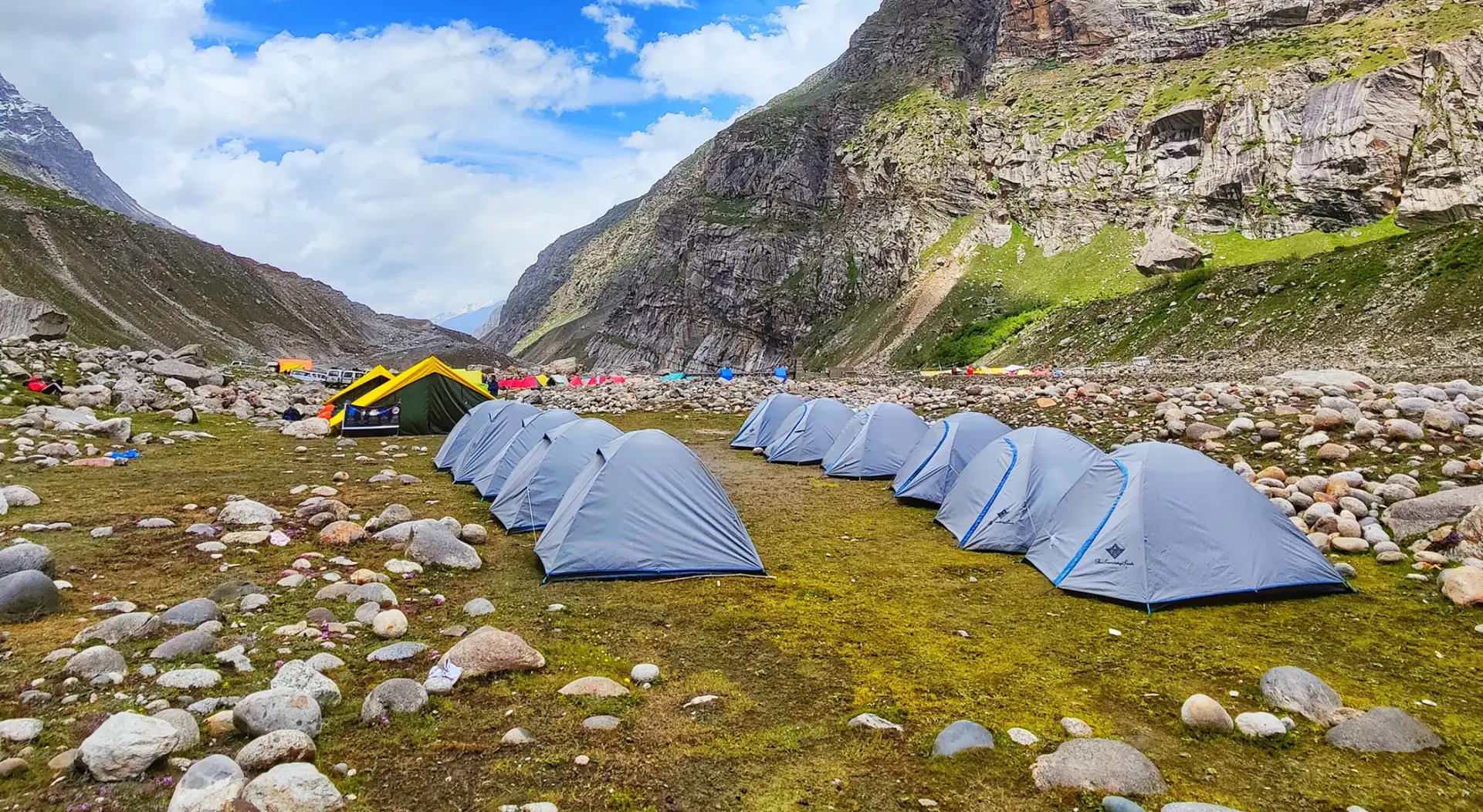
Sar Pass Trek
“The whole Sar Pass experience felt smooth from planning to the last day. The team stayed helpful, calm, and very clear throughout.”
AR
Ananya RawatSar Pass Trek

Hampta Pass Trek
“The itinerary pacing was excellent and the support on trail felt dependable. Every pre-departure question was answered quickly.”
VS
Vikas SharmaHampta Pass Trek
Valley of Flowers
“What stood out most was the communication. Pickup details, stay plans, and trek expectations were shared very clearly.”
NK
Nidhi KapoorValley of Flowers
Tarsar Marsar Trek
“As a solo traveller, I was worried about coordination. The team made the whole journey feel smooth, safe, and well paced.”
PS
Priya SethiTarsar Marsar Trek
Pin Parvati Trek
“The planning support was excellent and the trek crew handled everything with confidence. It felt organized without losing the adventure feel.”
RG
Rohan GuptaPin Parvati Trek
Har Ki Dun Trek
“Every update came on time and the trip flow felt very easy to follow. Great communication before the trek and great energy on ground too.”
DM
Dev MalhotraHar Ki Dun Trek
Kedarkantha Trek
“This was our second trek with BookMyHikes and the consistency really stood out. Good support, clear expectations, and a super comfortable group experience.”
SK
Sana KhannaKedarkantha Trek
Brahmatal Trek
“As first-timers, we always felt looked after. The route briefing, camp support, and overall coordination made the trek feel very approachable.”
MT
Mehul TandonBrahmatal Trek
Credentials
Verified certifications for trusted mountain operations.
Registered for safer departures.