Top Monsoon Treks in Uttarakhand to Shortlist
Discover the best monsoon treks in Uttarakhand, from Valley of Flowers and Ali Bedni Bugyal to Dayara Bugyal, with difficulty, best time and essential safety tips.
When the monsoon arrives in Uttarakhand, the Himalayas undergo a dramatic transformation. Dry mountain slopes turn emerald green, seasonal waterfalls return to life, clouds drift through forest trails, and alpine meadows burst into colour. For trekkers who enjoy lush landscapes and a quieter side of the mountains, this can be one of the most rewarding seasons to explore the state.
However, monsoon trekking in Uttarakhand demands careful planning. Heavy rain can trigger landslides, swell streams, damage roads and make trails slippery. The right trek is therefore not simply the most scenic one; it must also suit your experience, fitness and the latest weather and route conditions.
To help you choose wisely, here are the top monsoon treks in Uttarakhand worth shortlisting.
Quick Comparison of the Best Monsoon Treks in Uttarakhand
| Trek | Difficulty | Approx Altitude | Ideal Season | Best Know For |
| Valley of Flowers | Easy to Moderate | 3,658 m | July to early September | Alpine flowers and waterfalls |
| Ali Bedni Bugyal | Moderate | 3,400–3,500 m | Late June to September, subject to conditions | Vast green meadows and mountain views |
| Dayara Bugyal | Easy to Moderate | Around 3,600 m | Late June to September, during stable weather | Rolling grasslands and beginner-friendly trails |
| Deoria Tal–Chopta–Tungnath | Easy to Moderate | Around 3,680 m at Tungnath | July to September, avoiding heavy-rain alerts | Forests, lake views and a temple trail |
| Nag Tibba | Easy to Moderate | Around 3,022 m | Short stable-weather windows | A compact weekend trek |
| Har Ki Dun | Moderate | Around 3,500 m | June and September are preferable | Ancient villages and a long Himalayan valley |
| Dodital | Moderate | Around 3,300 m | June or September; avoid peak rainfall | Forests and a high-altitude lake |
Distances, elevations and seasonal access can vary by route. Always confirm the latest trail, road and permit status before departure.
1. Valley of Flowers Trek
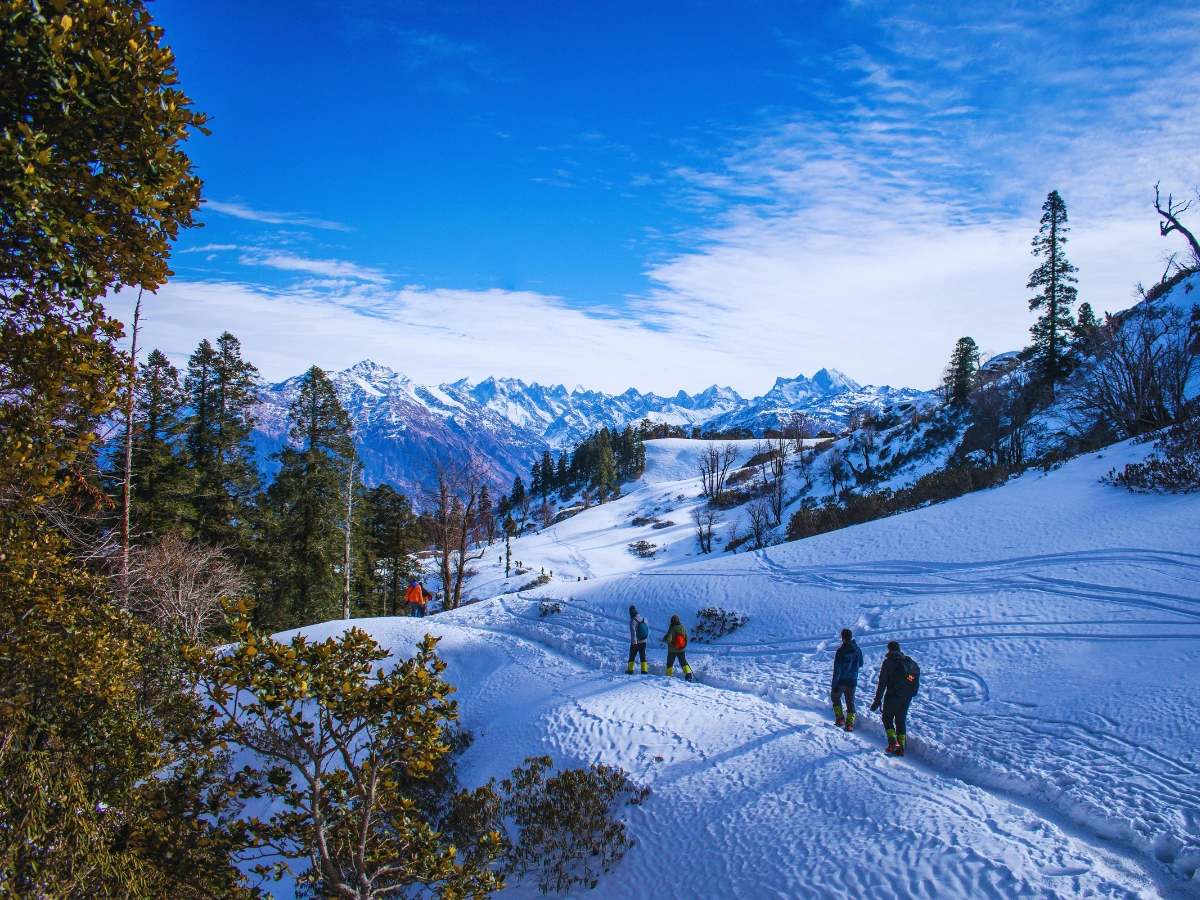
If there is one trek that defines the Himalayan monsoon, it is the Valley of Flowers. Located in Chamoli district, this protected national park becomes a natural garden during the rainy season. Pink, purple, yellow, white and blue blossoms spread across the valley floor, while mist, streams and waterfalls add to the atmosphere.
The journey generally begins near Govindghat and continues via Pulna to Ghangaria, the base for the Valley of Flowers. From Ghangaria, trekkers enter the national park on a day hike and return before evening because overnight camping inside the protected valley is not permitted.
The trail is well known, but it should not be underestimated. Continuous rain can make the stone path slippery, and the walk involves sustained ascents and descents. Trekkers often combine the experience with Hemkund Sahib, although that extension is considerably steeper and reaches a higher altitude.
Why shortlist it: It offers Uttarakhand’s most iconic combination of alpine flowers, waterfalls and monsoon greenery.
Best suited for: Nature lovers, photographers and fit beginners travelling with proper support.
2. Ali Bedni Bugyal Trek
Ali and Bedni Bugyal are among the most celebrated high-altitude meadows in Uttarakhand. During the monsoon, the grasslands turn intensely green and wildflowers appear across the rolling slopes. When the clouds open, views of Trishul and Nanda Ghunti can transform the entire landscape.
The trek usually passes through mountain villages and dense forests before opening into the vast bugyals. This contrast—from shaded woodland to seemingly endless pasture—is one of the route’s greatest attractions.
The trail is more demanding than a simple meadow walk. Rain can make forest sections muddy and exposed slopes slippery. Visibility may also change within minutes, so local route knowledge becomes especially valuable.
Why shortlist it: It delivers one of Uttarakhand’s finest meadow experiences, with a strong mix of forests, village culture and Himalayan panoramas.
Best suited for: Trekkers with reasonable fitness who want a quieter alternative to heavily visited routes.
3. Dayara Bugyal Trek
Dayara Bugyal is an excellent introduction to high-altitude trekking. Its broad, undulating meadows, forest approaches and relatively manageable itinerary make it popular with beginners and families with older children.
In the monsoon, the landscape becomes fresh and vivid. Wildflowers dot the meadows, clouds sweep over the ridges and the forest feels especially alive. On a clear day, the upper reaches can reveal impressive views of the surrounding Garhwal Himalayas.
Its approachable reputation should not lead to casual preparation. Wet roots, muddy slopes, fog and changing weather still demand suitable footwear, rain protection and an experienced guide.
Why shortlist it: It provides maximum meadow scenery without requiring a highly technical or exceptionally long expedition.
Best suited for: First-time Himalayan trekkers, small groups and travellers seeking a shorter itinerary.
4. Deoria Tal, Chopta and Tungnath Trek
This route combines several distinctive Himalayan experiences in one short trip: a forest-framed lake at Deoria Tal, the green slopes of Chopta and the stone trail leading to Tungnath. During monsoon, the region becomes deeply green, with drifting mist creating a cinematic mood through the rhododendron and oak forests.
Deoria Tal is reached through a comparatively short uphill trail, while the Tungnath section involves a steeper climb on a paved path. Chandrashila is often added above Tungnath, but it should only be attempted when weather, visibility and trail conditions are favourable. Because this is a popular circuit, visitors sometimes treat it as a casual hill outing. In reality, thunderstorms, dense fog and slippery stones can make the upper trail risky during active rain.
Why shortlist it: It combines lake, forest, meadow, temple and summit-style scenery in a compact journey.
Best suited for: Beginners who want a short trek and are willing to keep the itinerary flexible.
5. Nag Tibba Trek
Nag Tibba is one of the most convenient weekend treks from Dehradun and Mussoorie. The route passes through villages, oak forest and open ridges before reaching the Nag Tibba summit area. The monsoon adds dense greenery and cool, misty conditions to the trail. It can be a good option for travellers who do not have enough time for a week-long trek. Yet its proximity to the city should not be mistaken for guaranteed safety. Forest sections can become muddy, and cloud cover may remove the wide mountain views for which the summit is known.
Rather than planning Nag Tibba during a spell of continuous rainfall, choose a short and stable weather window. A local guide is particularly useful when fog reduces visibility or multiple forest paths become confusing.
Why shortlist it: It is a compact Himalayan escape that fits into a weekend.
Best suited for: Beginners, groups from Delhi or Dehradun, and trekkers with limited time.
6. Har Ki Dun Trek
Har Ki Dun is a long, beautiful valley trek known for traditional villages, wooden architecture, riverside sections and views deep into the Garhwal Himalayas. The route offers more than scenery; it also provides a glimpse into the culture and everyday life of remote mountain settlements. Although the valley looks spectacular when green, peak monsoon is not always the smartest time to attempt it. Long road travel, stream crossings, muddy forest sections and possible route disruptions can complicate the journey. For most trekkers, June or September is a more sensible choice than the rainiest weeks of July and August.|
Why shortlist it: It offers a richer, longer journey combining landscape, villages and Himalayan culture.
Best suited for: Trekkers with prior experience who can allow buffer days and adapt to changing conditions.
7. Dodital Trek
Dodital is a serene high-altitude lake surrounded by forest. The trail traditionally passes through settlements and thick woodland, making it a rewarding choice for trekkers who prefer forests and water bodies to exposed summit routes. Monsoon brings extraordinary greenery, but it can also mean leeches, muddy paths, swollen streams and reduced road reliability. Like Har Ki Dun, Dodital is generally better considered for the beginning or end of the rainy season rather than during prolonged heavy rainfall.
Why shortlist it: It offers a peaceful forest trek leading to a beautiful Himalayan lake.
Best suited for: Trekkers who enjoy quieter routes and do not mind sustained walking through forest terrain.
Which Monsoon Trek Should You Choose?
Your ideal trek depends on what you want from the journey:
- Choose Valley of Flowers for seasonal blooms and the classic monsoon experience.
- Choose Ali Bedni Bugyal for expansive meadows and a more immersive mountain journey.
- Choose Dayara Bugyal for a relatively beginner-friendly meadow trek.
- Choose Deoria Tal–Chopta–Tungnath for varied scenery in a short itinerary.
- Choose Nag Tibba for a quick weekend adventure.
- Choose Har Ki Dun for village culture and a longer valley trek, preferably outside peak rainfall.
- Choose Dodital for forests, solitude and a scenic lake, ideally in a shoulder-season window.
Essential Safety Tips for Monsoon Trekking in Uttarakhand
- Check official forecasts and road updates : Mountain weather can change faster than general phone apps suggest. Check district-level forecasts, state advisories and road conditions before leaving and throughout the trip.
- Keep buffer days : Landslides or road closures can delay both arrival and return. Avoid planning a trek immediately before a flight, examination or important work commitment.
- Never cross a swollen stream casually :Water levels can rise rapidly after rainfall upstream, even when it is not raining at your location. Follow the decision of trained local guides and turn back when a crossing is unsafe.
- Use proper rain protection : Carry a breathable rain jacket and pants, a backpack cover, dry bags for clothes and electronics, quick-drying layers, waterproof or water-resistant trekking shoes, and extra socks. A poncho alone may not provide enough protection in wind.
- Protect your footing : rekking poles improve balance on muddy descents and slippery stone paths. Walk slowly, avoid stepping on wet moss and keep enough distance from the trekker ahead.
- Do not ignore altitude : Rainy weather does not reduce the risk of altitude illness. Ascend gradually, hydrate properly and report headache, nausea, unusual fatigue or breathlessness to the trek leader immediately.
- Trek with experienced local support: During monsoon, navigation and evacuation decisions matter more than speed. Choose a responsible operator with trained leaders, first-aid capability, communication arrangements, a clear emergency plan and knowledge of alternative routes.
- Respect closures : If the administration, forest department or local authorities close a road or trail, do not attempt to bypass the restriction. Conditions in landslide-prone areas can deteriorate without warning.
What to pack this monsoon ?
A practical monsoon packing list should include:
- Waterproof jacket and rain pants
- Backpack with rain cover and internal dry bags
- Quick-drying trekking trousers and base layers
- Warm fleece or insulated layer for higher camps
- Trekking shoes with reliable grip
- Three to four pairs of socks
- Trekking poles
- Headlamp with spare batteries
- Personal medicines and a compact first-aid kit
- Water bottle and purification option
- ORS or electrolyte sachets
- Insect or leech protection where relevant
- Sunscreen, sunglasses and cap for clear-weather intervals
- Government-issued identification and required permits
Avoid cotton-heavy clothing because it absorbs water, dries slowly and can make you cold at altitude.